

Table of Contents1. Introduction 2. Policy Foundations: Vietnam’s Green Logistics Regulatory Landscape |
Vietnam Green Logistics and Renewable Energy Logistics: The Future of Sustainable Supply Chains
1. Introduction
Vietnam’s logistics sector is under increasing pressure—from both regulation and global market demands—to pivot toward sustainability. As global supply chains embed environmental scrutiny, logistics operations in Vietnam must reconcile cost, efficiency, and carbon constraints. The shift is no longer optional: green logistics is becoming a competitive necessity.
In this article, we trace the evolution from policy frameworks to real-world implementation in Vietnam. We explore key enablers, obstacles, and emerging best practices. Throughout, we show how VICO positions itself not just as a logistics provider but as a value creator—helping clients reduce risks, unlock efficiencies, and future-proof their supply chains.
_AkFOH_yep.jpg)
Source: Carbonwise
>> EUDR Compliance Vietnam: A Critical Requirement for Coffee Exporters
2. Policy Foundations: Vietnam’s Green Logistics Regulatory Landscape
2.1 National laws and strategies
Vietnam has progressively woven environmental targets into logistics policy. The Law on Environmental Protection 2020 sets a broad legal foundation for reducing emissions, promoting energy efficiency, and governing waste management in logistics operations.
Complementing that, Vietnam has published national strategies and plans that explicitly call out green logistics as a pillar of sustainability and economic competitiveness. Coordination between ministries seeks to build a linkage strategy for ASEAN green logistics toward 2030 and beyond.
These provide the policy impetus—but intention doesn’t equal execution. Many rules remain nascent, standards uneven, and enforcement still catching up.
2.2 Regulatory levers and incentives
To accelerate uptake, the state is experimenting with regulatory levers and incentives, such as:
- Preferential land‑use or facility approvals for green logistic facilities
- Grants or tax incentives for energy‑efficient warehouses or clean vehicle fleets
- Green certification or eco‑labeling for logistics operators
- Requirements on reporting of greenhouse gas emissions in logistics or freight operations
These measures are designed to narrow the gap between policy and private investment. But in practice, uptake is patchy—especially among mid‑sized logistics firms with tighter capital constraints.
3. From Policy to Practice: How Green Logistics is Taking Shape
3.1 Multimodal and low‑carbon transport networks
One of the most visible shifts is toward modal shift—moving freight from road to rail, inland waterways, and coastal shipping where possible. Integrating different transport modes reduces carbon intensity per ton‑km.
However, infrastructure constraints and last‑mile dependencies still force heavy reliance on road transport.
3.2 Green warehousing and energy efficiency
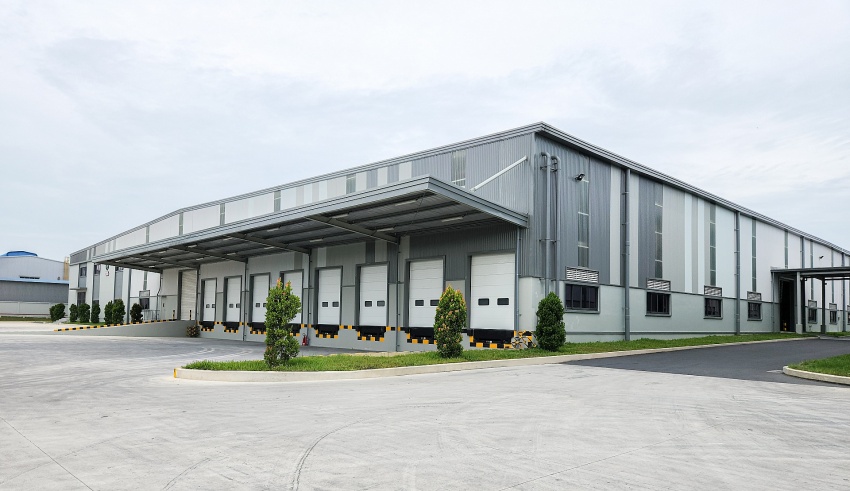
Warehouses are major energy consumers. Upgrading to LED lighting, better insulation, solar panels, and intelligent climate control can yield real reductions. Adaptive design (e.g. passive cooling, daylighting) also helps.
VICO adds value by auditing and retrofitting client warehouses, co‑investing in green warehouse parks, and monitoring energy consumption across its network.
Source:Vietnam Investment Review under the Ministry of Finance
3.3 Sustainable packaging, reverse logistics, and circularity
Green logistics extends beyond transport and warehousing to packaging, waste, and returns. Practices include reusable or recyclable packaging, reverse logistics for damaged goods, and waste sorting in transit hubs.
3.4 Digitization, optimization, and fleet electrification
Digitalization enables route optimization, real-time tracking, and predictive analytics that reduce fuel use. Fleet electrification is growing, especially for last-mile delivery in urban areas.
4. Barriers & Strategic Challenges
While momentum is rising, several hurdles remain:
- High capital costs
- Fragmented regulation and lack of harmonized standards
- Skill and technology gaps
- Infrastructure mismatch
- Limited scale and uncertain demand
These risks require strategic orchestration rather than surrender.
5. The Value Proposition: Why Green Logistics Matters to Clients
Green logistics is no longer a symbolic gesture. It’s becoming a framework for efficiency, resilience, and credibility across supply chains. When executed thoughtfully, it reduces operational costs, stabilizes compliance risks, and strengthens access to markets increasingly defined by sustainability metrics.
For logistics partners, the task is less about declaring “green intent” and more about embedding measurable performance into everyday operations — from energy use to route planning to material recovery. At VICO, this means treating sustainability as a design principle rather than an afterthought: a continuous calibration of systems that supports both commercial and environmental goals.
6. Looking Ahead: Trends and Strategic Imperatives
Source: rmi.org
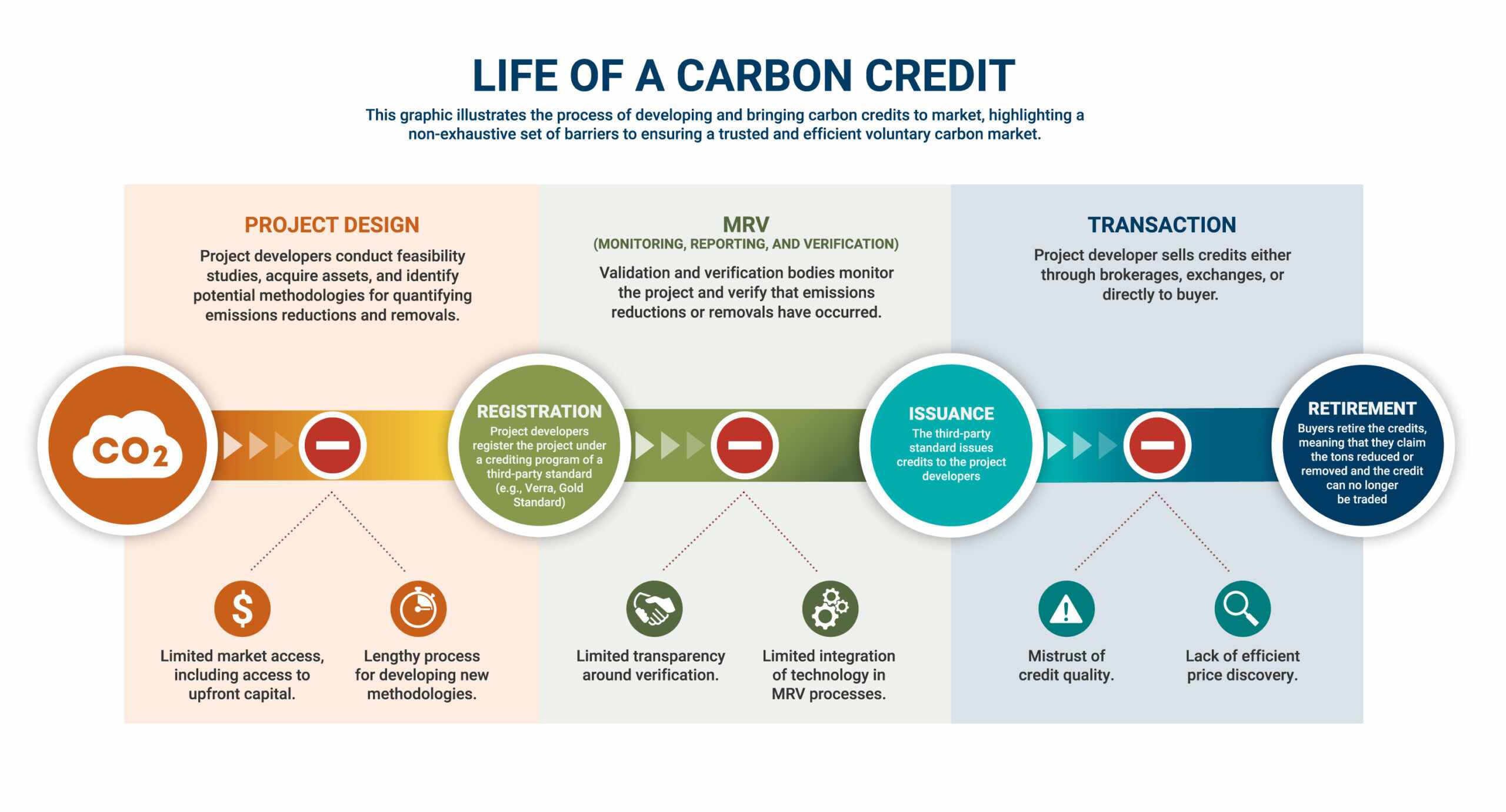
Vietnam’s logistics ecosystem is entering a period of rapid transformation. The coming decade will be shaped by carbon pricing mechanisms, formal green certification schemes, shared infrastructure investment, and the integration of circular economy models. Digitalization — especially AI-driven optimization — will determine which players can turn sustainability from a compliance exercise into a competitive advantage.
7. Conclusion
Vietnam’s position as a regional manufacturing hub makes its logistics choices globally consequential. The green transition is not a separate agenda but the next phase of competitiveness — one that will define reliability, cost efficiency, and market credibility alike.
In this context, progress depends on integration: aligning technology, policy, and business practice into a shared operational logic. The companies that succeed will be those that treat sustainability not as a statement of values, but as a method of working — an evolution of logistics thinking built for endurance.
Next in the series ESG in Vietnam Logistics: Sustainable Supply Chains and Opportunities for Global Trade
ESG in Vietnam: Driving Sustainable Development in the Logistics Sector
EU Green Textiles and Garment Requirements for Vietnam export
---
VICO Logistics – Your Indochina Expert
Premium member of Eurocham, JCtrans, VICOFA, VITAS... associations
Owned offices:
- Hong Kong (Causeway Bay),
- China (Luohu-Shenzhen, Hongkou-Shanghai),
- Vietnam (Bay Hien - Ho Chi Minh, Hai Chau- Da Nang, Gia Vien- Hai Phong).
Youtube - Linkedin - Fanpage
Follow us for more valuable information
Book now: https://vico.com.hk/#quotation
| Contact us:
|