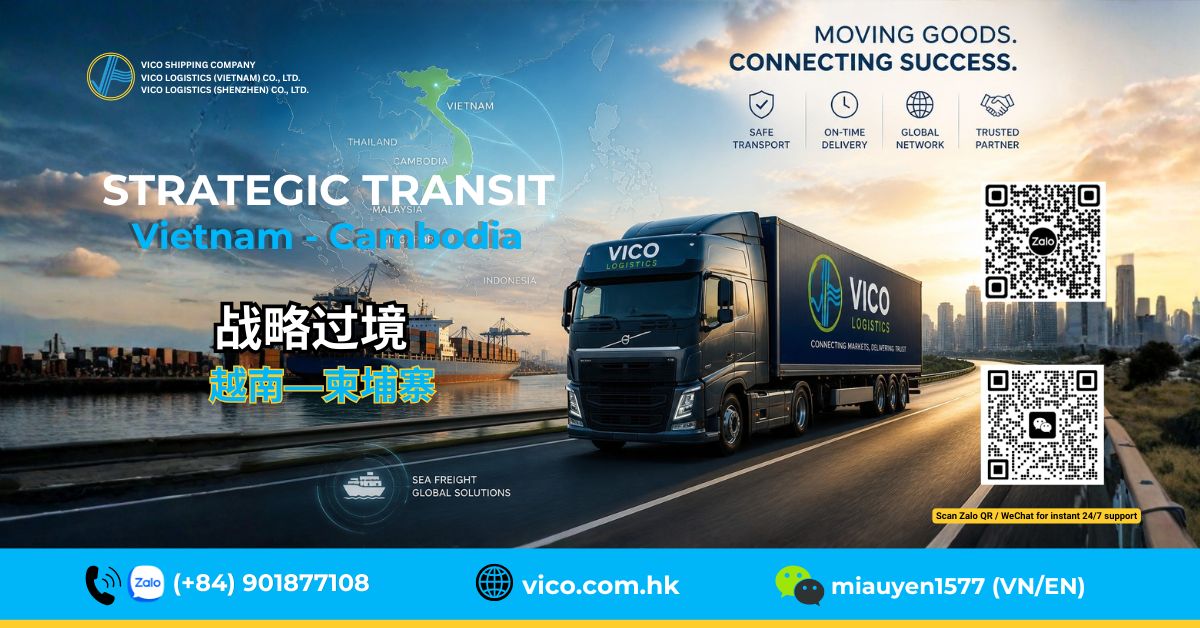
In the intricate and rapidly evolving world of international trade, logistics efficiency is the ultimate yardstick for business success. For enterprises operating in Southeast Asia, the ability to navigate borders without friction is not just an advantage - it is a necessity. Transit cargo via Vietnam to Cambodia has emerged as the gold standard for reaching Cambodian markets. By leveraging Vietnam’s superior port infrastructure, advanced maritime connectivity, and strategic geographic location, businesses can significantly reduce lead times and shipping costs compared to traditional direct shipping routes.
This comprehensive guide explores the complexities, legalities, and operational advantages of the Vietnam - Cambodia transit corridor, providing businesses with the insights needed to optimize their Indochina supply chain.
1. Why Transit via Vietnam is the Strategic Choice for Global Trade
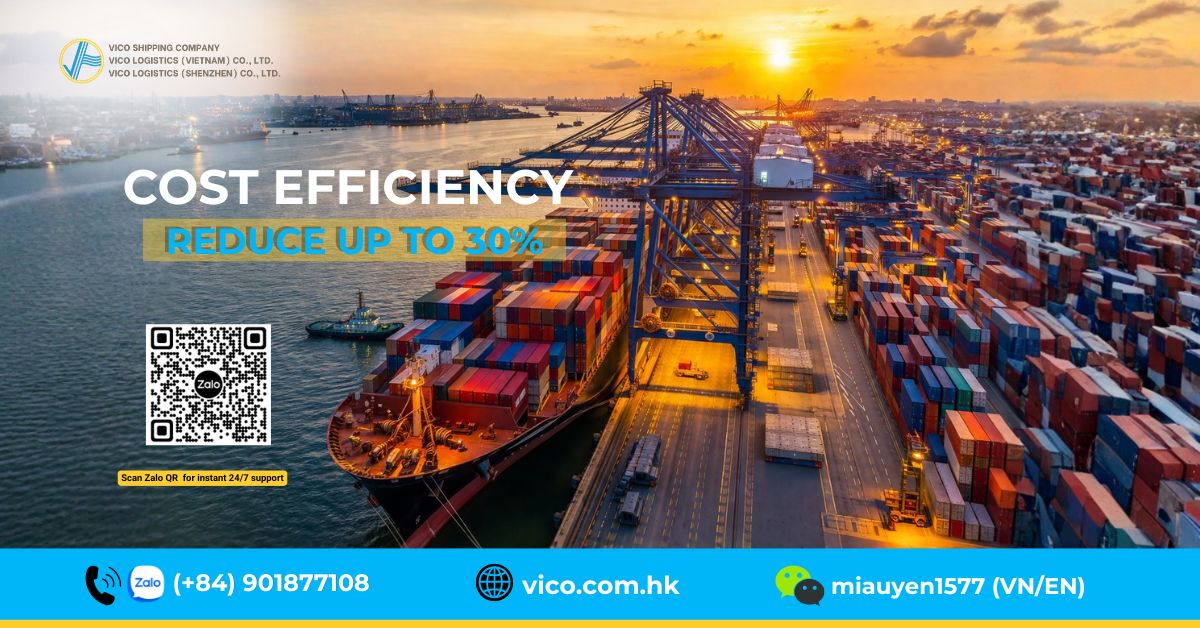
While Cambodia has made significant strides in developing its own maritime infrastructure, such as the Sihanoukville Autonomous Port, Vietnam’s deep-sea terminals remain the primary gateways for high-volume international trade. Terminals like Cai Mep-Thi Vai and Cat Lai offer a level of service and connectivity that direct routes to Cambodia often struggle to match.
Higher Frequency and Larger Vessel Capacity
Vietnam’s major ports are capable of hosting ultra-large container vessels (ULCVs) that connect directly to Europe, the United States, and major Asian hubs. This results in higher vessel frequency and more competitive international freight rates. For a business, this means your cargo isn't waiting for a smaller feeder vessel to make its way to a secondary port; instead, it moves on the main lines, ensuring faster global reach.
Substantial Cost Efficiency
Utilizing Vietnam as a transit hub can reduce total logistics expenses by 20-30%. This is achieved through:
- Consolidated Trucking: Grouping multiple shipments into larger vehicles to maximize space and reduce per-unit costs.
- Lower Port Fees: Vietnam’s high-volume ports benefit from economies of scale, resulting in lower handling and terminal charges compared to smaller ports in the region.
Unrivaled Time Savings
Speed to market is a critical KPI. Trucking from the logistics hubs of Ho Chi Minh City to the Cambodian border (Moc Bai/Bavet) typically takes only a few hours. Total door to door transit from Vietnam's deep-water ports to the heart of Phnom Penh ranges from 2 to 5 days. This rapid turnaround is essential for industries with tight production schedules or perishable consumer goods.
2. Understanding the Legal Framework: The Mechanics of Transit Cargo
To master this route, one must understand that transit cargo is a specialized legal category. It is defined as goods transported from one country to another through a third country (Vietnam) under strict customs supervision.
Duty Exemptions and "Official Shipping"
Unlike standard imports intended for the Vietnamese market, transit cargo is typically exempt from domestic duties in Vietnam. This exemption is contingent upon following designated "Official Shipping" protocols. The goods must be destined for a final recipient outside of Vietnam, ensuring that they do not enter the local commerce stream.
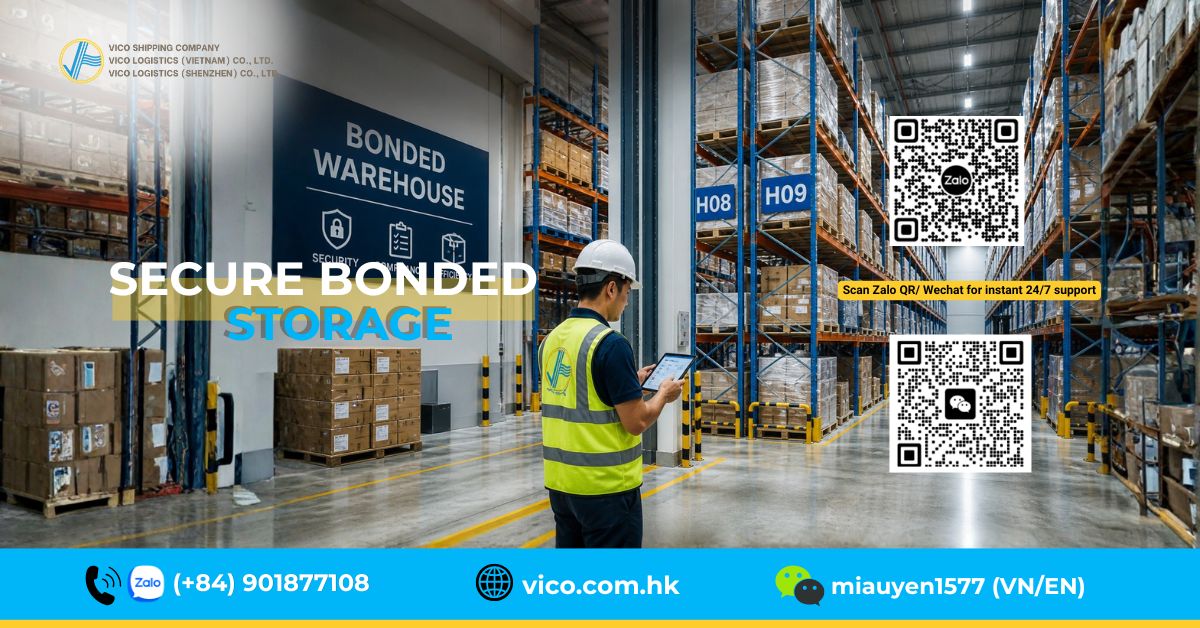
The Role of Bonded Warehousing
VICO Logistics provides secure bonded warehouse solutions that act as a critical buffer in the supply chain. Goods can be stored temporarily in these facilities while awaiting customs clearance or transshipment.
- Tax Deferral: Goods stored in bonded warehouses do not incur immediate tax obligations in Vietnam.
- Flexibility: This allows businesses to manage inventory more effectively, releasing goods to Cambodia only when they are needed.
Strict Customs Supervision and Compliance
The integrity of the transit route depends on compliance. Goods must remain in their original packaging or containers and move strictly along approved routes under customs seals. This prevents unauthorized tampering and ensures that the Vietnamese government can verify the cargo's departure from its territory.
3. Key Documentation: Preventing the 85% of Delays
Administrative errors are the leading cause of logistics bottlenecks. It is estimated that 85% of delays in cross-border trade are caused by regulatory issues or missing paperwork. To ensure a smooth transit, businesses must prepare a comprehensive "Transit Dossier".
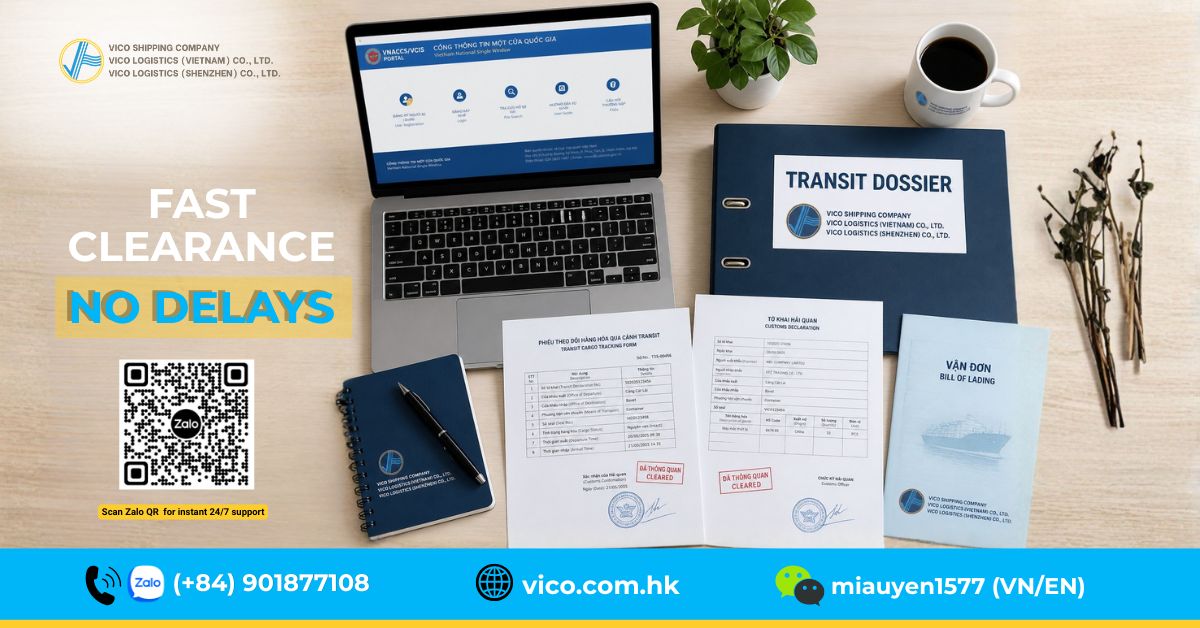
The Essential Transit Dossier
- Transit Declaration: This is the core document submitted to Vietnam Customs, outlining the intent to move goods through the country.
- Bill of Lading (B/L) & Commercial Invoice: These serve as primary evidence of the cargo's origin, value, and final destination in Cambodia.
- Packing List: A detailed breakdown of every item in the shipment, essential for physical inspections and verification.
- CDC (Certificate of Duty Exemption): This is a game-changer for businesses involved in large-scale Cambodian projects. The CDC allows for VAT and import tax exemptions upon entry into Cambodia, significantly lowering the project's overall tax burden.
HOTLINE : (+84) 901 877 108
4. The Transit Process: A Step by Step Walkthrough with VICO
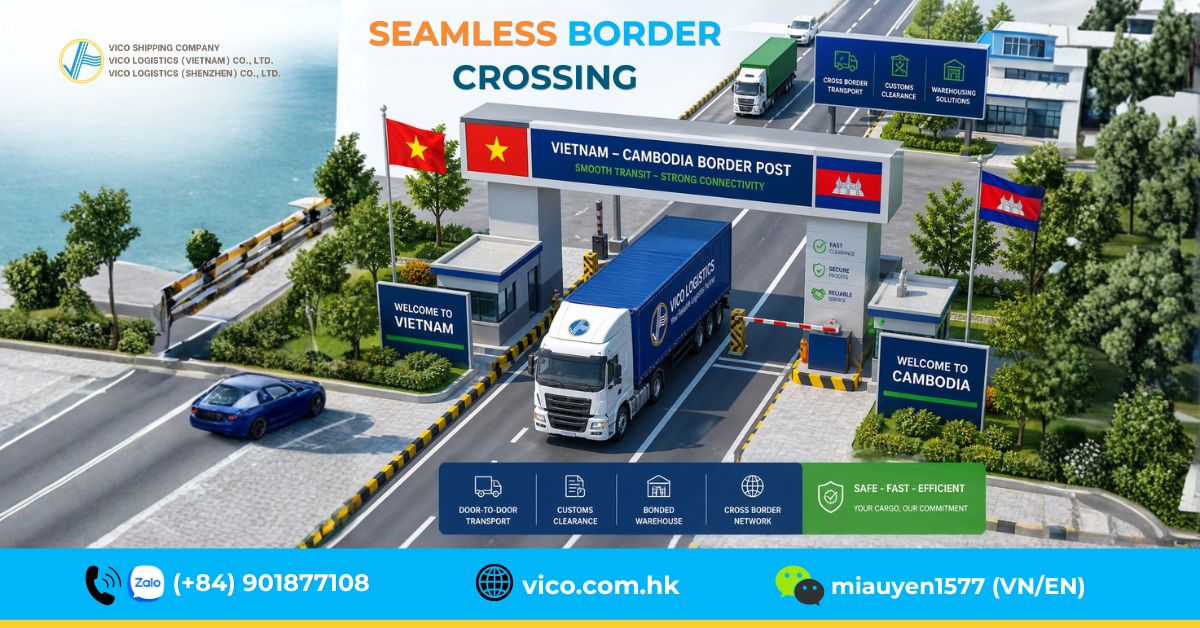
Navigating the Vietnam-to-Cambodia corridor requires a synchronized dance between port authorities, trucking companies, and customs officers. VICO Logistics manages this entire lifecycle:
Phase 1: Port Arrival
Cargo arrives at major Vietnamese maritime gateways such as Cat Lai, Cai Mep, or Da Nang. Upon arrival, the cargo is offloaded and staged for the transit declaration process.
Phase 2: Customs Transit Declaration
VICO’s experts handle the digital declaration via the national customs portal. If the cargo is flagged for inspection, our team manages the physical verification to ensure the goods match the documentation exactly.
Phase 3: Bonded Transfer
Once cleared for transit, the goods are moved via specialized, GPS-tracked trucks to the Vietnam-Cambodia border (most commonly through the Moc Bai/Bavet crossing).
Phase 4: Border Clearance and Transshipment
This is the most critical stage. VICO manages the Export declaration from Vietnam and the Import declaration into Cambodia simultaneously. Our presence on both sides of the border ensures that any discrepancies are resolved in real-time, preventing the cargo from being stuck in "no-man's land."
Phase 5: Final Delivery and Equipment Recovery
The cargo is delivered directly to the consignee’s warehouse in Cambodia. Following the offloading, VICO manages the logistics of returning empty containers back to the ports in Vietnam, closing the loop and avoiding detention/demurrage fees.
Book now: https://vico.com.hk/#quotation
5. Why VICO Logistics is the Unrivaled Leader in Indochina Transit
With over 30 years of experience and a network of owned offices in Ho Chi Minh, Da Nang, and Hai Phong, VICO Logistics is more than just a freight forwarder, we are your strategic partner in Indochina.
Proven Strategic Advantages
- Cost Reductions of 20-30%: Our buyer consolidation services allow smaller shipments to benefit from the rates usually reserved for large-scale enterprises.
- Direct Trucking Routes: We utilize optimized routes that reduce transit times by up to 30% compared to standard market averages.
Comprehensive Customs Expertise: We possess a deep, localized understanding of both Vietnamese and Cambodian regulations, allowing us to navigate the "grey areas" of cross border trade with 100% legal compliance.
Tailored Solutions for Diverse Industries
Whether you are moving raw materials for Cambodia's garment industry, high-tech components for construction, or fast-moving consumer goods (FMCG), VICO Logistics has the infrastructure and the expertise to handle your transit cargo with precision.
Conclusion: Optimizing Your Indochina Supply Chain
The Vietnam to Cambodia transit route is no longer just an alternative. It is a vital artery for Southeast Asian trade. However, the complexity of customs, documentation, and multi-modal transport means that success depends entirely on the partner you choose.
Don't let border friction slow your business growth. Leverage Vietnam's world class ports and VICO Logistics' three decades of cross-border expertise to gain a competitive edge.
- Factory Coffee: The Global Coffee Harvest Calendar
- What's So Good About Vietnam Manufacturers
- Electronics Shipping: Mastering The Logistics Of High-Value Technology
- Door To Door Cambodia Shipping: The Ultimate Logistics Solution For 2026
- Trucking Cambodia - Vietnam: Fast & Reliable Cross-Border Solutions 2026
Get a Logistics Quote in just 5 minutes
Professional international transportation and supply chain solutions tailored for your business.
Get a quote now ↗Quick Contact
🇻🇳 Ms Uyen
Hotline / Zalo
(+84) 901 877 108WeChat (VN/EN)
miauyen1577Scan to Contact
Zalo
🇨🇳 Ms Schyler
Office Hotline
(+852) 3759 9300WeChat ID
Schyler_skylarScan to Contact
VICO International Logistics — Your Trusted Logistics Partner in Indochina
Senior member of international logistics and trade associations: Eurocham, JCtrans, VICOFA, VITAS, and more.