
International trade gives businesses access to new markets, global suppliers, and opportunities to expand their supply chains.
However, moving goods across borders is rarely a simple process.
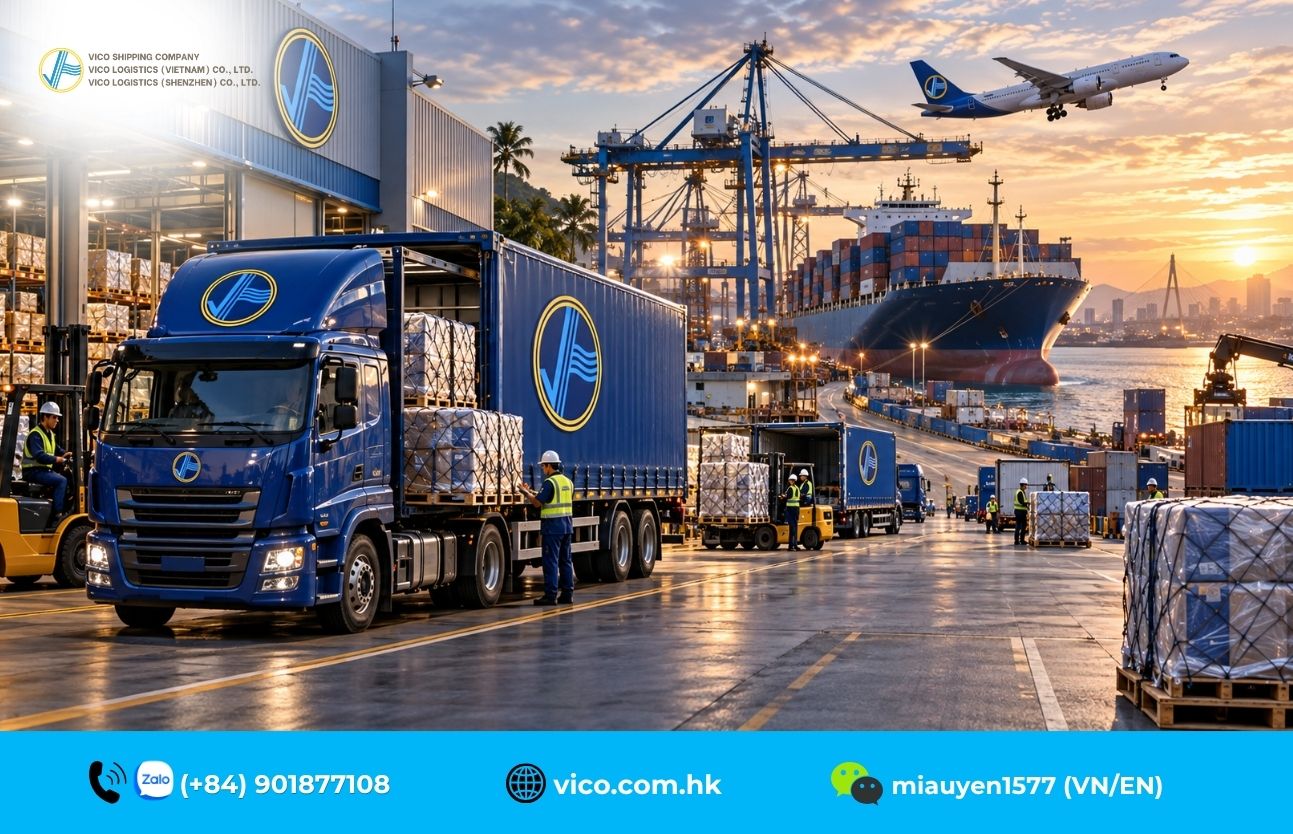
A single international shipment may involve multiple carriers, shipping documents, customs procedures, warehouses, ports, border checkpoints, and logistics partners.
This is where freight forwarding plays an important role.
A professional freight forwarder helps coordinate the different stages of the shipping process, allowing businesses to move goods more efficiently while reducing the operational burden of managing every shipment detail independently.
So, what exactly does a freight forwarder do? And why should businesses consider working with a professional freight forwarding company?
What Is Freight Forwarding?
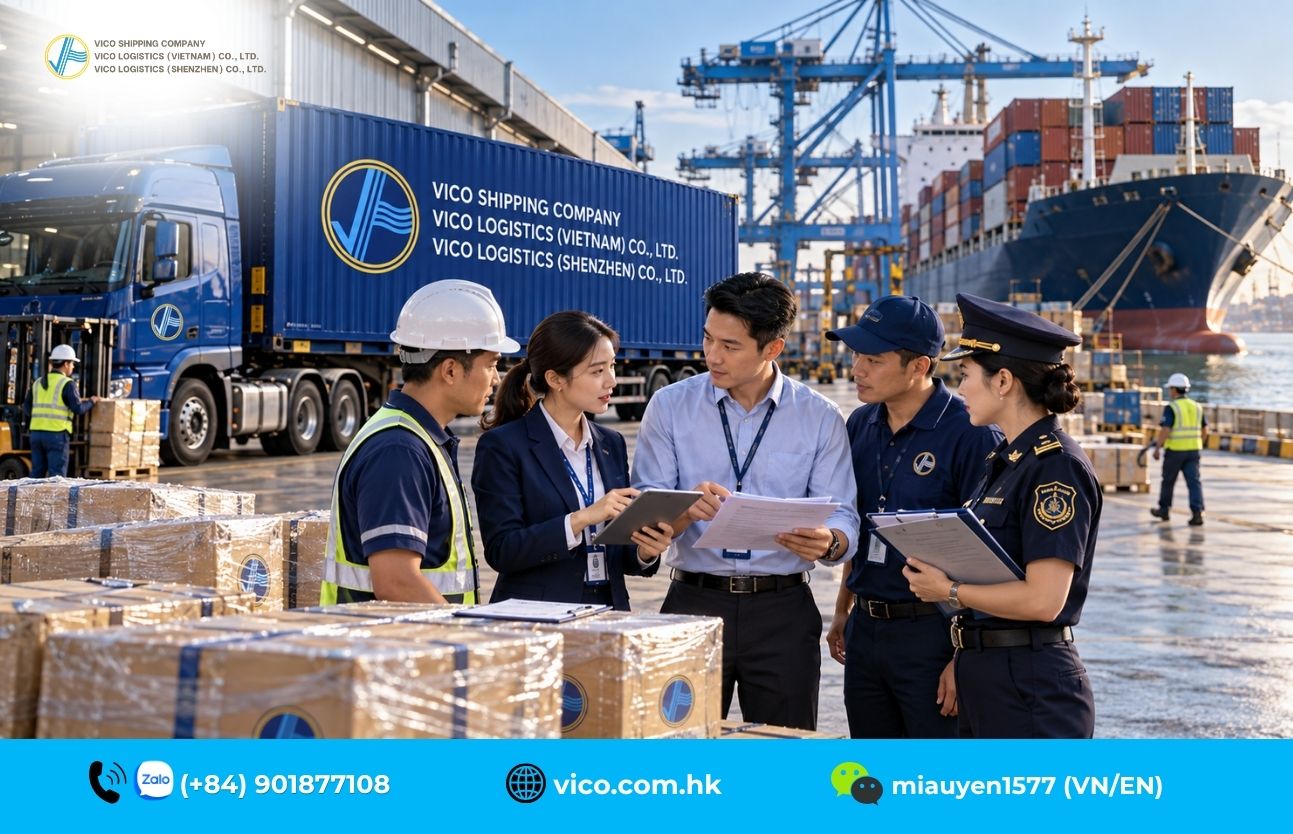
Freight forwarding is the process of organizing, coordinating, and managing the movement of goods between the shipper and other parties involved in the supply chain, from the point of origin to the final destination.
A freight forwarder is not necessarily the company that physically transports the cargo.
Instead, the freight forwarder acts as a logistics coordinator, connecting businesses with carriers, warehouses, customs partners, transportation providers, and other parties involved throughout the shipping journey.
Depending on the requirements of each shipment, freight forwarding services may include:
-
Road transportation
-
Sea freight
-
Air freight
-
Warehousing and storage
-
Customs procedure coordination
-
Cargo consolidation
-
Less-than-Container Load (LCL) shipping
-
Cross-border transportation
-
Delivery coordination
-
Shipment tracking and status updates
In simple terms:
-
Shipper: Owns or ships the goods and provides the required shipment information.
-
Carrier: Physically transports the cargo.
-
Freight Forwarder: Coordinates the different transportation stages and connects the relevant parties throughout the shipment journey.
For businesses involved in international trade, working with the right freight forwarder can help simplify logistics operations and improve overall supply chain efficiency.
Why Is Freight Forwarding Important?
International shipping often involves several independent parties, including suppliers, trucking companies, warehouses, shipping lines, customs agents, and domestic delivery providers.
For example, a shipment may follow a journey such as:
Supplier → Truck → Warehouse → Port → Vessel → Customs → Domestic Delivery → Recipient
If a business manages every stage separately, the process can require significant time and resources, especially when cargo crosses multiple countries or uses several transportation methods.
A freight forwarder helps connect these individual stages into a more coordinated logistics process.
This can help businesses:
-
Improve shipment visibility and tracking
-
Reduce the number of direct contact points
-
Improve coordination between logistics partners
-
Minimize processing errors
-
Manage transportation activities more efficiently
1. Freight Forwarders Help Simplify International Shipping
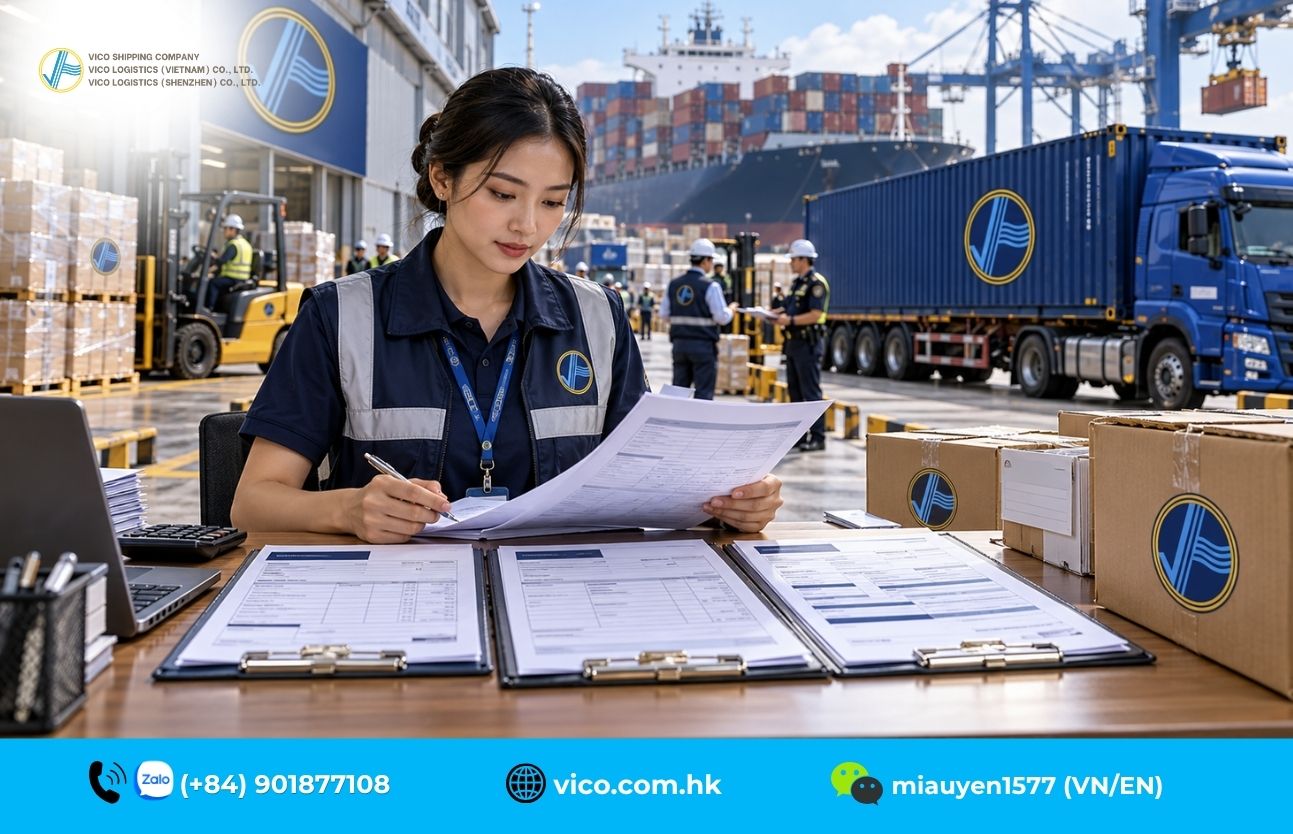
International logistics involves much more than simply booking transportation.
Depending on the shipment, businesses may need to coordinate multiple activities, including:
-
Scheduling cargo pickup
-
Selecting transportation routes
-
Booking carriers
-
Arranging warehousing
-
Preparing and checking shipping documents
-
Coordinating customs procedures
-
Managing port operations
-
Tracking shipment progress
-
Organizing final delivery
Managing all of these activities separately can require considerable time and internal resources.
A professional freight forwarding company can coordinate these activities and serve as a central point of contact for the shipment.
As a result, businesses can focus more on their core operations instead of spending time managing every stage of the logistics process individually.
2. Access to Multiple Transportation Methods
One of the main advantages of working with a freight forwarder is access to different transportation methods and carrier networks.
Depending on the characteristics of the shipment, businesses may consider several transportation options.
Sea Freight
Sea freight is commonly used for large-volume shipments or cargo that does not require urgent delivery.
For shipments suitable for containerized or ocean transportation, sea freight can provide an efficient option for moving larger quantities of goods over long distances.
Air Freight
Air freight is generally suitable for shipments that require faster delivery, high-value cargo, or goods with shorter transit-time requirements.
However, air freight costs are typically higher than those of other transportation methods.
Road Freight
Road freight is widely used for domestic transportation as well as shipments between countries with convenient road connections.
It is often used to transport cargo:
-
From factories to warehouses
-
From factories to ports
-
Between distribution centers
-
To border checkpoints
-
To final delivery locations
Cross-Border Trucking
Cross-border trucking is particularly suitable for cargo moving between neighboring countries connected by established road networks and border crossings.
These shipments may require additional coordination involving:
-
Transportation documents
-
Customs procedures
-
Border clearance
-
Vehicle arrangements
-
Cargo handover procedures
Multimodal Transportation
Multimodal transportation combines two or more transportation methods within a single logistics journey.
For example:
Truck → Vessel → Truck
Selecting the most appropriate transportation method depends on several factors, including:
-
Type of cargo
-
Shipment volume and dimensions
-
Origin
-
Destination
-
Required delivery time
-
Transportation budget
-
Documentation requirements
-
Customs requirements
-
Route conditions
-
Border crossing conditions
Rather than evaluating every transportation method independently, a freight forwarder can help businesses assess the entire shipping journey and identify a solution that better matches their operational requirements.
3. Improved Coordination Between Carriers and Logistics Partners
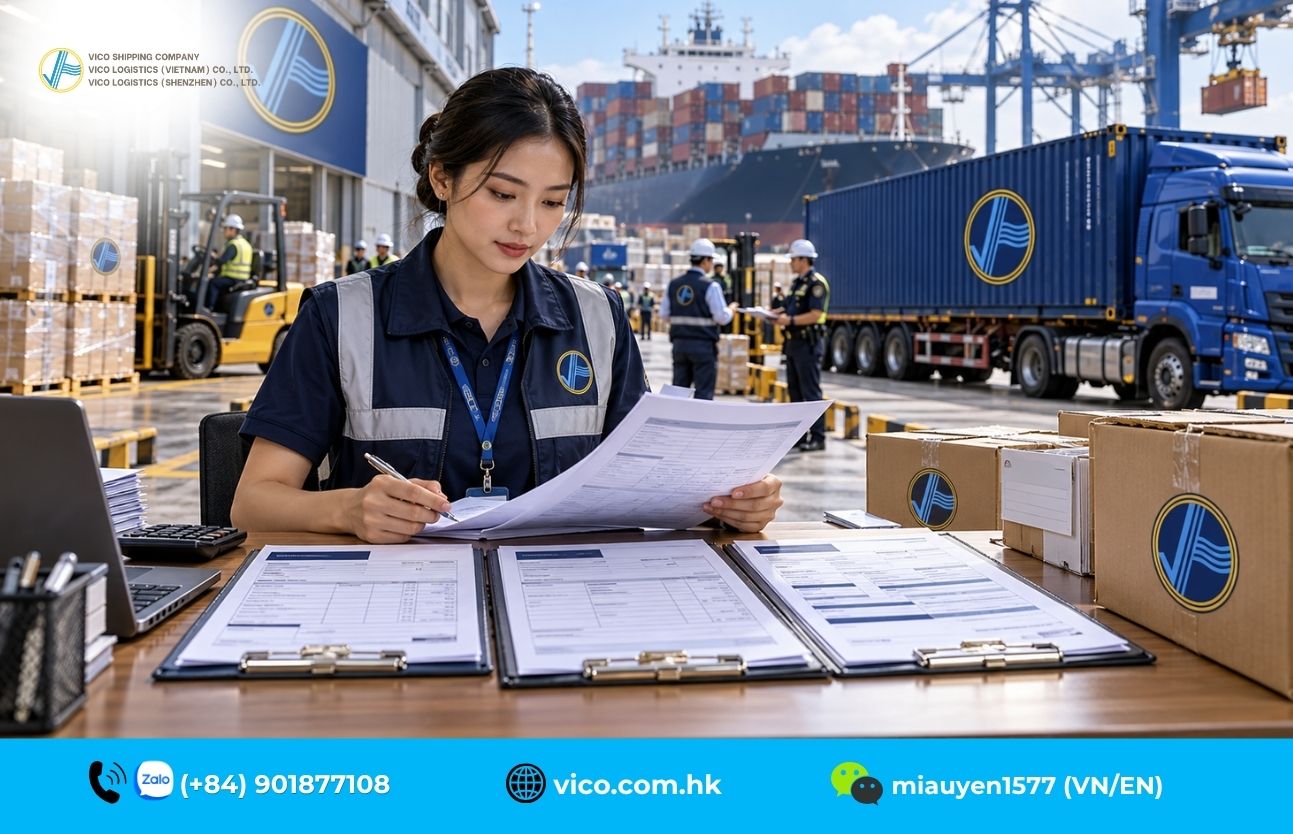
An international shipment typically involves multiple service providers.
For example:
Factory → Road Carrier → Warehouse → Shipping Line → Customs Agent → Domestic Delivery Provider
If these parties are not properly coordinated, the shipment may experience delays, information inconsistencies, or disruptions during cargo handovers.
An experienced freight forwarder can help coordinate:
-
Transportation schedules
-
Pickup and delivery times
-
Cargo handover procedures
-
Shipping documentation
-
Information exchange between parties
-
Operational issues that arise during transportation
This is particularly valuable for businesses that import or export regularly or manage multiple shipments at the same time.
By working through a centralized coordination point, businesses can reduce the time required to communicate separately with each logistics provider.
4. Support With Shipping Documentation
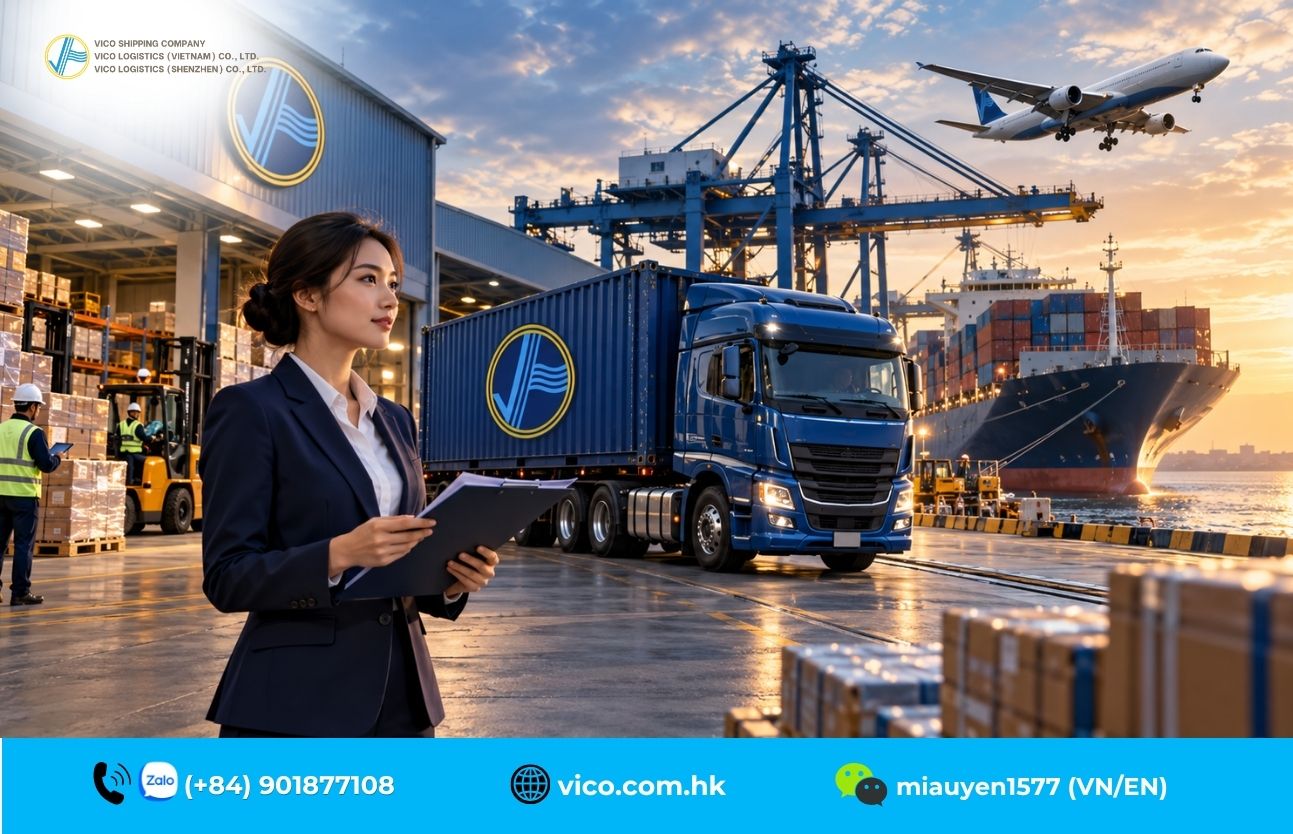
Documentation is one of the most important elements of international transportation.
Depending on the type of cargo, transportation method, and countries involved, businesses may need to prepare several different documents.
Common shipping documents include:
Commercial Invoice
Provides information about the seller, buyer, goods, shipment value, and relevant trade terms.
Packing List
Provides details about the packaging method, number of packages, cargo weight, dimensions, and other shipment specifications.
Bill of Lading
A transportation document commonly associated with sea freight shipments.
Air Waybill
A transportation document used for air freight shipments.
Certificate of Origin
Provides information regarding the origin of goods when required.
Customs Documents
Documents required for customs declaration and clearance procedures.
Shipping Instructions
Instructions relating to the handling and transportation of the shipment.
Incorrect, incomplete, or inconsistent information across documents may result in clarification requests, document amendments, or shipping delays.
A freight forwarder can help coordinate documentation and check the consistency of important shipment information during the transportation process.
However, businesses remain responsible for ensuring that the commercial information, cargo details, and documents they provide are accurate, complete, and compliant with applicable regulations.
5. Freight Forwarders Can Help Reduce Avoidable Delays and Additional Costs
Shipping delays can generate additional expenses and disrupt business operations.
Potential costs may include:
-
Storage fees
-
Demurrage charges
-
Detention charges
-
Additional handling fees
-
Redelivery costs
-
Document amendment fees
-
Costs resulting from schedule changes
A freight forwarder cannot eliminate every logistics risk.
However, experienced coordination and careful planning can help reduce certain avoidable disruptions.
Businesses may reduce shipping risks by:
-
Checking documents before shipment
-
Selecting appropriate transportation routes
-
Coordinating pickup schedules with relevant parties
-
Preparing customs information in advance
-
Monitoring shipping schedules
-
Responding proactively to changes during transportation
Careful planning can help reduce delays while giving businesses better control over shipment-related costs.
6. Access to a Network of Carriers and Logistics Partners
A reliable freight forwarding company typically works with a network of:
-
Shipping lines
-
Airlines
-
Trucking companies
-
Warehouses
-
Customs partners
-
Local transportation providers
-
International logistics agents
This network allows businesses to access different transportation options without having to establish and manage relationships with every individual logistics provider themselves.
This can be particularly useful when a business is entering a new market.
Instead of building an entire logistics network from the beginning, the company can work with a freight forwarder that already has established relationships with service providers in the relevant markets.
Businesses should still evaluate the freight forwarder's actual capabilities, service coverage, coordination quality, and whether its partner network is suitable for their specific shipping requirements.
7. Supporting Businesses Expanding Into New Markets
As companies expand internationally, their supply chains often become more complex.
They may need to manage:
-
New suppliers
-
Customers across multiple countries
-
Different customs regulations
-
Multiple transportation routes
-
Warehouses in different regions
-
Cross-border delivery operations
-
Documentation requirements
-
Cargo control procedures
A freight forwarder can help connect and coordinate these activities.
For example, a business importing goods from China and distributing them across Southeast Asia may require a logistics journey such as:
Factory in China → Export Transportation → Border Crossing or Port → Customs Procedures → Vietnam / Cambodia / Thailand → Final Delivery
Working with a logistics partner capable of coordinating several stages of the journey can make regional expansion easier to manage.
This can be particularly helpful when a business does not yet have an internal logistics team in a new market.
An experienced local freight forwarder can help connect the business with relevant partners and provide operational information required to manage shipments in that market.
8. Improved Shipment Tracking and Control
Modern supply chains increasingly depend on shipment visibility and timely information.
Depending on the service provider and transportation method, businesses may be able to monitor:
-
Shipment status
-
Transportation progress
-
Pickup time
-
Estimated delivery time
-
Key shipment milestones
-
Vehicle location when tracking technology is available
For road transportation, technologies such as GPS tracking can help monitor truck movements.
For international shipments, tracking systems can help businesses stay informed about key milestones throughout the transportation journey.
Improved shipment visibility can also support better coordination between:
-
Inventory management
-
Production planning
-
Warehouse operations
-
Delivery schedules
-
Customer communication
With better information, businesses can respond more proactively to changes or issues that arise during the logistics process.
When Should a Business Use Freight Forwarding Services?
Businesses may consider using freight forwarding services when they:
-
Import or export internationally
-
Manage shipments crossing multiple countries
-
Use more than one transportation method
-
Ship goods frequently
-
Handle complex cargo or transportation routes
-
Coordinate cross-border transportation
-
Work with several carriers or logistics partners
-
Expand into markets where they have limited logistics experience
-
Do not have a dedicated internal logistics team
Small and medium-sized businesses can also benefit from freight forwarding services, particularly when they do not have sufficient personnel or resources to manage the entire shipping process internally.
Using a freight forwarder does not necessarily mean outsourcing every logistics activity.
Businesses can determine the appropriate level of support based on their operational needs, budget, internal capabilities, and desired level of control.
How to Choose the Right Freight Forwarding Company
Not all freight forwarding companies provide the same capabilities, network coverage, or level of service.
Before choosing a freight forwarding partner, businesses should evaluate several important factors.
1. Transportation Network Coverage
Does the freight forwarder operate in the countries, regions, and trade routes your business requires?
Businesses should evaluate the forwarder's actual experience on specific routes rather than relying only on a general list of supported markets.
2. Transportation Methods
Does the freight forwarder provide transportation methods suitable for your cargo and supply chain?
Relevant services may include:
-
Road freight
-
Sea freight
-
Air freight
-
Cross-border transportation
-
Multimodal transportation
A wider range of options can make it easier to adapt transportation solutions to different shipment requirements.
3. Industry-Specific Experience
Does the freight forwarder understand your cargo and operational requirements?
Important factors may include:
-
Product characteristics
-
Packaging requirements
-
Storage requirements
-
Cargo volume and dimensions
-
Import and export regulations
-
Delivery-time requirements
Experience with similar types of shipments can improve coordination and reduce misunderstandings during the transportation process.
4. Customs and Documentation Support
Can the freight forwarder help prepare, check, and coordinate shipping documents?
Does the company have experience working with customs procedures along the routes your business uses?
Businesses should also clearly define each party's responsibilities regarding customs declarations, documentation, and shipment information.
5. Shipment Tracking Capability
Does the freight forwarder provide clear shipment updates and suitable tracking capabilities?
Timely information can help businesses manage:
-
Inventory levels
-
Warehouse planning
-
Delivery schedules
-
Production activities
-
Customer communication
Shipment visibility is increasingly important for businesses operating across multiple markets.
6. Warehousing and Distribution Capabilities
Depending on the logistics requirements, a freight forwarder may also provide:
-
Warehousing
-
Storage
-
Cargo consolidation
-
Cargo sorting
-
Distribution coordination
-
Final delivery
-
Last-mile delivery
The exact scope of available services should be confirmed for each route and shipment.
7. Cross-Border Transportation Experience
For businesses involved in regional trade, cross-border transportation experience is an important consideration.
Businesses should evaluate the freight forwarder's capabilities in:
-
Border-crossing transportation
-
Documentation coordination
-
Customs procedure support
-
Vehicle coordination
-
Border-related operational requirements
-
Shipment tracking
For this reason, choosing a freight forwarder based solely on freight rates may not provide the best operational outcome.
Communication quality, network coverage, operational capabilities, problem-solving ability, and route-specific experience can all have a significant impact on shipping efficiency.
Freight Forwarding vs. Managing Logistics In-House
Some companies prefer to manage transportation activities internally through their own logistics teams.
This model may be suitable for businesses with:
-
Stable shipment volumes
-
Well-established transportation processes
-
Dedicated logistics personnel
-
Strong internal supply chain capabilities
However, managing the entire logistics process internally often requires businesses to coordinate directly with many different parties.
For example:
Carrier → Warehouse → Customs Provider → Trucking Company → Agent → Delivery Provider
The internal logistics team must then dedicate resources to:
-
Monitoring transportation schedules
-
Communicating with service providers
-
Checking documents
-
Coordinating handovers
-
Managing shipment updates
-
Resolving operational issues
Working with a freight forwarder can reduce the number of parties a business needs to manage directly.
The most appropriate model depends on several factors, including:
-
Shipment volume
-
Shipping frequency
-
Internal staffing resources
-
Route complexity
-
Logistics budget
-
Desired level of operational control
-
Existing supply chain management capabilities
Businesses can also use a hybrid model.
For example, they may manage certain logistics activities internally while using a freight forwarder for tasks that require specialized expertise, international coordination, or a broader logistics network.
How Does VICO Logistics Support Freight Forwarding Services?
VICO Logistics provides logistics solutions across Vietnam, China, Cambodia, Thailand, and the wider Indochina region.
Depending on the requirements and characteristics of each shipment, available services may include:
-
International Freight Forwarding
-
Cross-Border Trucking
-
Sea Freight
-
Air Freight
-
Full Container Load (FCL)
-
Less-than-Container Load (LCL)
-
Warehousing and Storage
-
Customs Procedure Coordination
-
Door-to-Door Logistics
-
Shipment Tracking and Coordination
For businesses operating supply chains between China and Southeast Asia, VICO Logistics can help coordinate multiple stages throughout the logistics journey.
A typical shipment may follow a process such as:
Supplier in China → Pickup → Consolidation or Warehousing → Cross-Border or International Transportation → Customs Procedures → Vietnam / Cambodia / Thailand → Final Delivery
This integrated approach can help businesses reduce the number of logistics providers they need to manage directly while improving coordination between transportation stages.
VICO Cross-Border Trucking
VICO Logistics provides cross-border trucking solutions for routes connecting China with the Indochina region.
Depending on shipment requirements, transportation routes may include:
China → Vietnam → Cambodia → Thailand
Cross-border transportation solutions may support requirements such as:
-
Full Container Load (FCL) transportation
-
Less-than-Container Load (LCL) and cargo consolidation
-
Cross-border road transportation
-
Door-to-Door delivery
-
Shipment tracking
-
Coordination between different transportation stages
Transportation schedules, transit times, border conditions, and available service scope may vary depending on:
-
Shipping route
-
Type of cargo
-
Shipping period
-
Border conditions
-
Operational requirements
Businesses should therefore confirm the specific transportation route, estimated transit time, service conditions, and available capacity with VICO Logistics before booking a shipment.
Conclusion
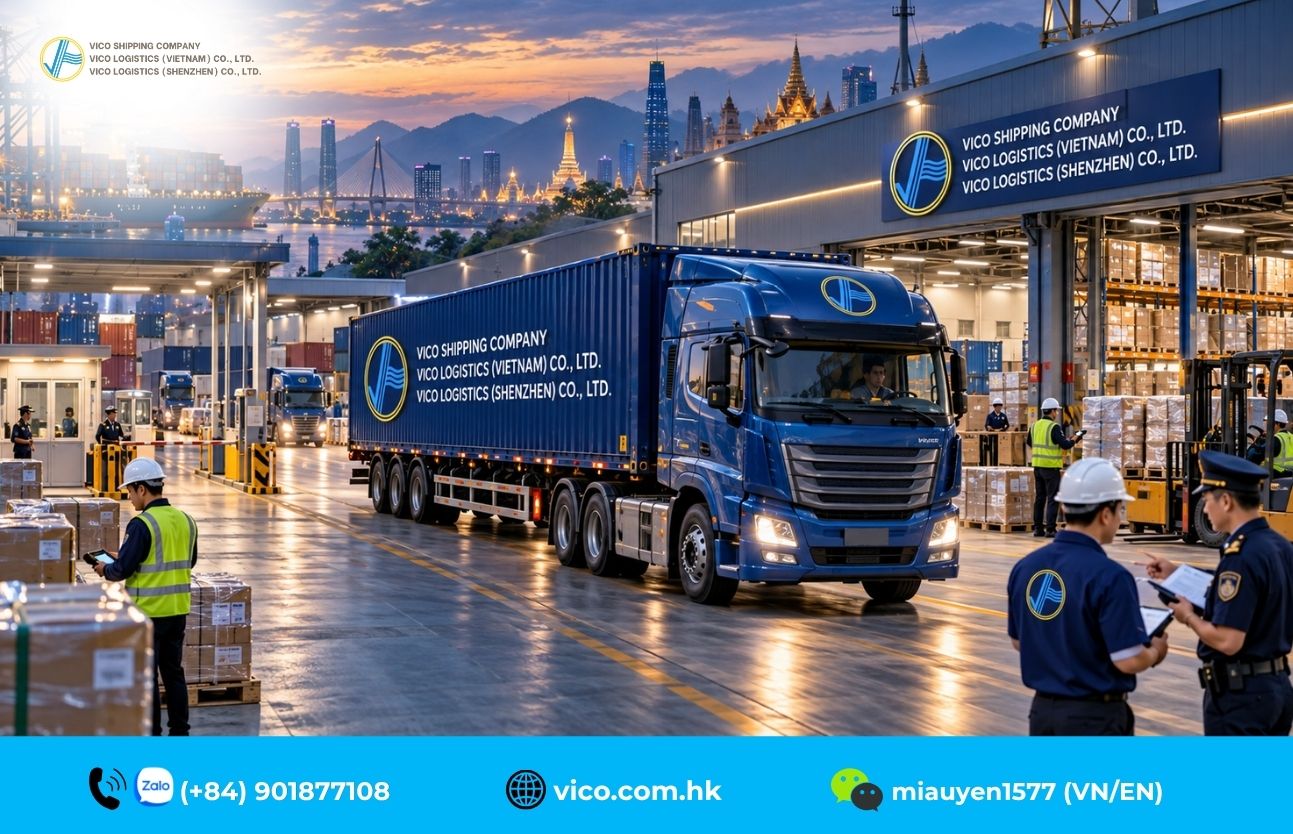
Freight forwarding plays an important role in international trade by helping businesses coordinate transportation, carriers, shipping documents, customs procedures, warehousing, and final delivery.
For companies involved in import and export activities, working with a reliable freight forwarder can simplify complex logistics operations and create a more coordinated transportation process.
Choosing the right freight forwarding partner is not simply about finding a company that can move cargo from one location to another.
Businesses should look for a logistics partner that clearly understands:
Cargo Type → Transportation Route → Required Timeline → Target Market → Logistics Requirements
The right freight forwarding partner should be able to help businesses evaluate transportation options, coordinate the relevant parties, and provide clear shipment updates throughout the logistics journey.
- The Future of the Cambodia Economy: Investment Opportunities in 2026
- The Advantages of Trucking Services
- Factory Coffee: The Global Coffee Harvest Calendar
- What's So Good About Vietnam Manufacturers
- Electronics Shipping: Mastering The Logistics Of High-Value Technology
- Door To Door Cambodia Shipping: The Ultimate Logistics Solution For 2026
- Trucking Cambodia - Vietnam: Fast & Reliable Cross-Border Solutions 2026
Get a Logistics Quote in just 5 minutes
Professional international transportation and supply chain solutions tailored for your business.
Get a quote now ↗Quick Contact
🇻🇳 Ms Uyen
Hotline / Zalo
(+84) 901 877 108WeChat (VN/EN)
miauyen1577Scan to Contact
Zalo
🇨🇳 Ms Schyler
Office Hotline
(+852) 3759 9300WeChat ID
Schyler_skylarScan to Contact
VICO International Logistics — Your Trusted Logistics Partner in Indochina
Senior member of international logistics and trade associations: Eurocham, JCtrans, VICOFA, VITAS, and more.