

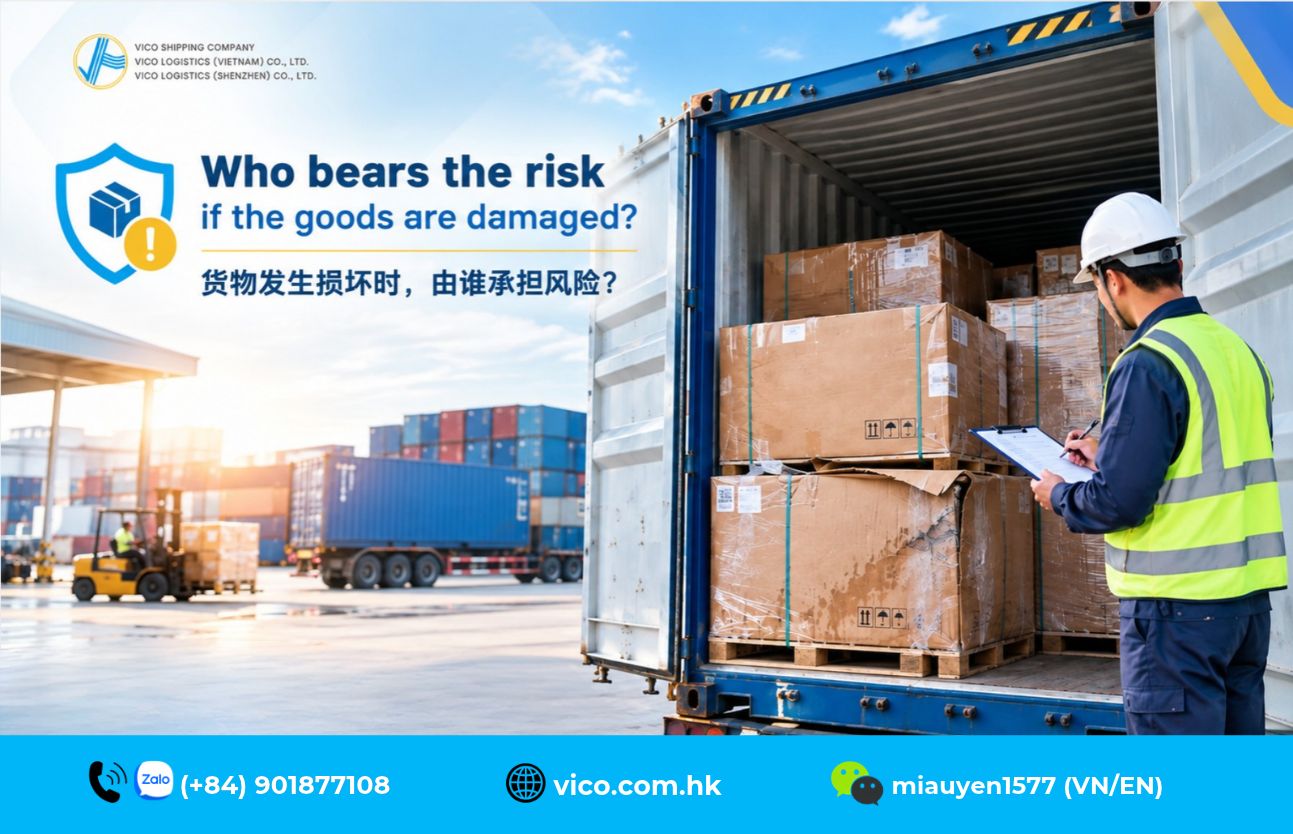
When goods are damaged, lost, or misplaced during international transport, who absorbs the loss: the seller, the buyer, or the carrier? The answer depends on the point of risk transfer under the delivery terms, the cause of the damage, the contractual clauses, and the scope of cargo insurance.
Understanding the responsibilities of each party enables businesses to proactively handle incidents, minimize disputes, and protect their rights in import-export operations. In this article, VICO Logistics analyzes common scenarios under Incoterms 2020 and provides a guide on how to handle damaged goods.
1. Who Bears the Risk When Goods Are Damaged in Transit?

The party bearing the risk for the goods is generally determined based on the moment of risk transfer under the agreed Incoterms rule. However, the party bearing the risk is not necessarily the party liable for compensation.
For example, if the contract specifies CPT and the goods have been handed over to the carrier in accordance with the delivery terms, the risk may have already passed to the buyer even though the seller still pays the freight to the destination. If the goods are damaged after the point of risk transfer, the buyer may have to absorb the loss under the sales contract, but may still seek compensation from the carrier or insurer if sufficient grounds exist.
To determine responsibility, businesses must distinguish between three separate issues:
-
Risk in the Sales Contract: Which party bears the loss of goods according to the agreed delivery terms?
-
Carrier’s Liability: Is there grounds to establish that the carrier breached its obligations or is liable under the transport contract and applicable law?
-
Insurance Liability: Does the loss fall within the scope of insurance coverage and meet the conditions for a compensation claim?
These three issues are related but distinct. Incoterms allocates certain obligations, costs, and risks between the seller and the buyer, but does not automatically dictate all matters regarding compensation liability or dispute resolution. (Source: International Chamber of Commerce – ICC)
2. How Does Incoterms 2020 Regulate the Moment of Risk Transfer?
Incoterms 2020 consists of 11 international trade terms, governing crucial aspects such as delivery, cost allocation, transport organization responsibilities, and the moment of risk transfer between the seller and the buyer.
The most critical factor when handling damaged goods is determining whether the damage occurred before or after the moment of risk transfer under the terms specified in the contract.
2.1. Groups E and F: Risk Transfers at the Specified Point of Delivery
-
EXW (Ex Works): The seller fulfills their obligation to deliver when they place the goods at the disposal of the buyer at the named place, typically a factory or warehouse. Under EXW, the goods do not need to be loaded onto the collecting vehicle by the seller.
-
FCA (Free Carrier): Risk transfers when the seller delivers the goods to the carrier or another person nominated by the buyer at the agreed place. If delivery occurs at the seller’s premises, the seller is obliged to load the goods onto the arriving collecting vehicle.
-
FAS (Free Alongside Ship): Risk transfers when the goods are placed alongside the vessel at the port of shipment.
-
FOB (Free on Board): Risk transfers when the goods are loaded on board the vessel.
Note: EXW, FCA, FAS, and FOB have different delivery points. Do not assume risk transfers at the exact same moment, such as when the truck starts driving or when the vessel departs the port.
2.2. Group C: Seller Pays Freight, but Risk May Transfer at the Origin of the Journey
This is the most misunderstood group of terms because the seller remains responsible for contracting carriage or paying freight to the destination.
-
CPT (Carriage Paid To): Risk transfers when the goods are handed over to the carrier under the CPT rule.
-
CIP (Carriage and Insurance Paid To): Similar to CPT regarding the timing of risk transfer, but the seller is also required to arrange insurance complying with CIP requirements.
-
CFR (Cost and Freight): Risk transfers when the goods are loaded on board the vessel at the port of shipment.
-
CIF (Cost, Insurance, and Freight): Risk also transfers when the goods are loaded on board, even though the seller must arrange and pay for both freight and insurance to the destination port.
Therefore, the fact that the seller pays the transport freight to the destination port does not mean the seller bears all risks until the goods arrive.
2.3. Group D: Seller Bears Risk to the Destination According to the Applicable Rule
-
DAP (Delivered at Place): The seller bears the risk until the goods are placed at the disposal of the buyer on the arriving means of transport, ready for unloading at the named place of destination.
-
DPU (Delivered at Place Unloaded): The seller bears the risk until the goods are unloaded from the arriving means of transport at the named place of destination.
-
DDP (Delivered Duty Paid): The seller bears the risk until the goods are delivered at the destination under DDP terms, on the arriving means of transport, ready for unloading, while also fulfilling import clearance obligations under this rule.
If goods are damaged prior to delivery under DAP, DPU, or DDP rules, the seller typically bears the risk under the sales contract, barring any exceptions applicable under the rules or relevant agreements.
3. Quick Reference Table: Responsibility for Damaged Goods Across the 11 Incoterms 2020 Rules
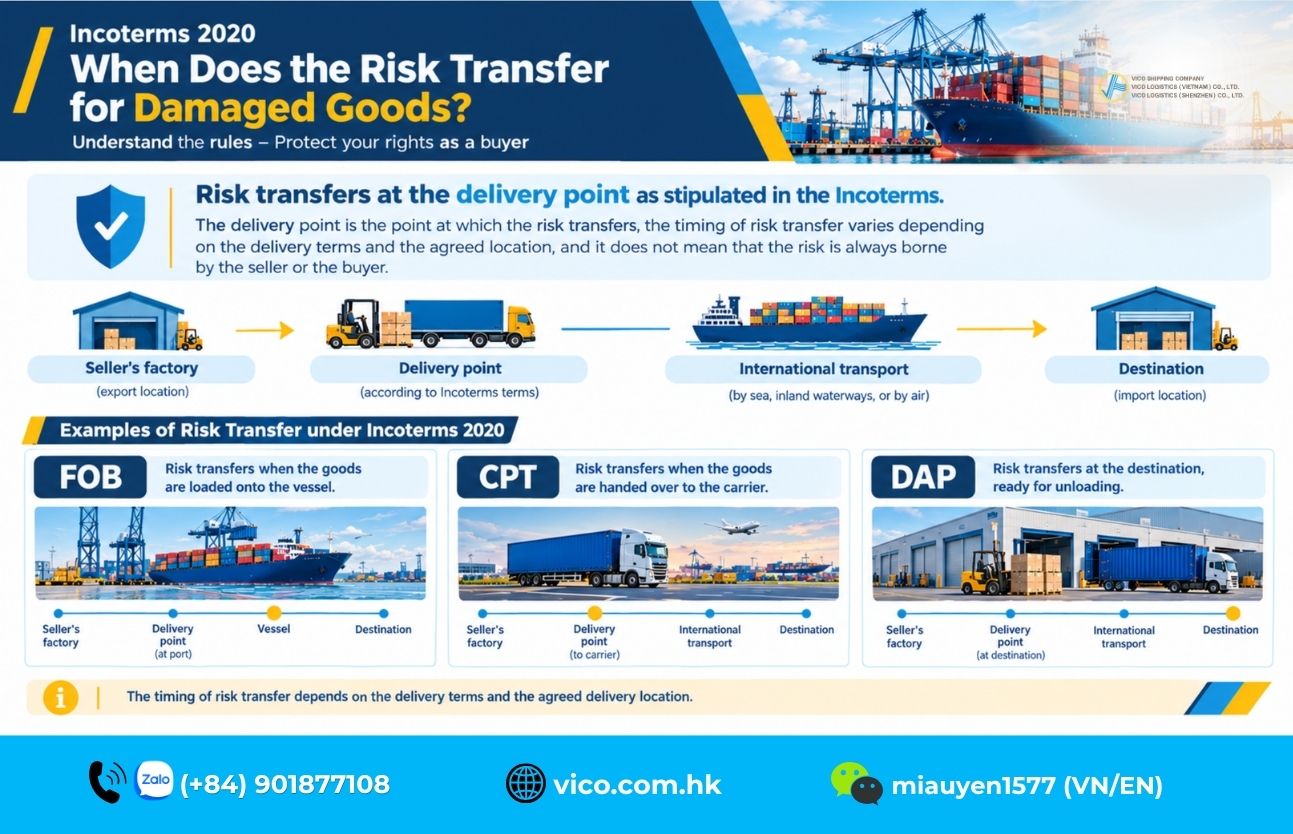
The table below summarizes the timing of risk transfer. This serves as the starting point for determining who bears the risk under the sales contract, and is not an automatic conclusion regarding the carrier's liability for compensation.
|
Incoterms Rule
|
Moment of Risk Transfer
|
Implication When Goods Are Damaged
|
|
EXW
|
When goods are placed at the disposal of the buyer at the named place of delivery, not loaded onto the vehicle.
|
The buyer generally bears the risk from this delivery point.
|
|
FCA
|
When goods are delivered under the FCA rule at the agreed place.
|
The buyer bears the risk after valid delivery.
|
|
FAS
|
When goods are placed alongside the vessel at the port of shipment.
|
The buyer bears the risk from that moment.
|
|
FOB
|
When goods are loaded on board the vessel at the port of shipment.
|
The buyer bears the risk after loading onto the vessel.
|
|
CFR
|
When goods are loaded on board the vessel at the port of shipment.
|
The buyer bears the risk during the sea voyage after delivery.
|
|
CIF
|
When goods are loaded on board the vessel at the port of shipment.
|
The buyer bears the risk after delivery; the seller arranges insurance under CIF.
|
|
CPT
|
When goods are handed over to the carrier under the CPT rule.
|
The buyer may bear the risk even though the seller pays freight to the destination.
|
|
CIP
|
When goods are handed over to the carrier under the CIP rule.
|
The buyer bears the risk after delivery; the seller arranges insurance under CIP.
|
|
DAP
|
At the destination, when goods are on the arriving vehicle, ready for unloading.
|
The seller bears the risk until the named delivery point.
|
|
DPU
|
At the destination, after the goods are unloaded.
|
The seller bears the risk until delivery is completed after unloading.
|
|
DDP
|
At the destination, when goods are on the arriving vehicle, ready for unloading.
|
The seller bears the risk until the named delivery point.
|
(Reference Source: Incoterms® 2020 rules of the International Chamber of Commerce (ICC). To accurately determine liability, it is necessary to thoroughly read the delivery terms, specified locations or delivery points, and relevant contract clauses.)
4. Who Is Liable When Goods Are Damaged by Specific Causes?
Aside from the timing of risk transfer, the cause of damage is a crucial factor when evaluating the liability of the seller, buyer, carrier, or third party.
4.1. Damage Caused by Improper Packaging
Example: An enterprise exports machinery but fails to properly secure the equipment inside the container. During transit, the machinery shifts and collides, resulting in damage.
If the damage stems from the seller’s failure to fulfill the obligation of proper packaging under the contract and applicable delivery terms, the seller may be held liable. Whether risk has already transferred does not automatically eliminate liabilities arising from a separate contractual breach.
Conversely, if the buyer provided unsuitable packaging instructions or packed the goods themselves after taking delivery, agreements and factual evidence must be reviewed to establish liability. Businesses should retain packaging photographs, lashing specifications, handover minutes, and pre-shipment inspection documents.
4.2. Damage Caused During Transport or Handling
Example: A shipment is handed over to a road carrier for transport from the factory to the port. En route, the goods are impacted due to improper handling.
In such cases, the following must be determined:
-
Did the damage occur before or after the risk transfer under Incoterms?
-
Who signed the transport contract with the carrier?
-
Did the carrier breach its contractual obligations or applicable law?
-
Are there handover minutes, photos, and evidence establishing the condition of the goods at each leg of the journey?
If there are grounds indicating the carrier is liable, the party entitled under the transport contract and applicable law may file a claim or demand compensation.
One should not conclude that the carrier must always pay simply because goods were damaged in transit. Liability depends on the contract, the cause of loss, liability limits, and potential exemptions.
4.3. Damage Caused by Wetness, Contamination, or Temperature Fluctuation
Common situations include:
-
Water ingress into containers or inadequate protection against humidity.
-
Food shipments spoiling due to failure to maintain required temperatures.
-
Cargo contamination due to improper packing, stowage, or preservation.
-
Goods damaged during warehousing or transshipment periods.
Businesses must cross-reference agreed-upon preservation requirements with actual transport conditions. For refrigerated cargo, temperature logs, reefer equipment records, anomaly alerts, and handover minutes at each leg should be preserved.
If the cause falls within the scope of insurance, businesses may consider claiming under the insurance policy. However, payout coverage depends on policy terms, exclusion clauses, and loss evidence.
4.4. Damage Caused by Buyer or Seller Fault
Liability may arise from actions such as providing inaccurate cargo descriptions, failing to follow preservation instructions, breaching packaging obligations, or failing to arrange cargo receipt as agreed.
Example: If the buyer delays collecting goods or fails to fulfill notification obligations under the delivery terms, risk may pass under the corresponding Incoterms rule when applicable conditions are met.
Conversely, if the seller delivers goods non-conforming to the contract or breaches packaging obligations, the prior transfer of risk does not necessarily eliminate all rights of recourse for the buyer. Therefore, it is essential to distinguish between physical material loss and liability arising from contractual breach.
5. Does Cargo Insurance Cover Damaged Goods?
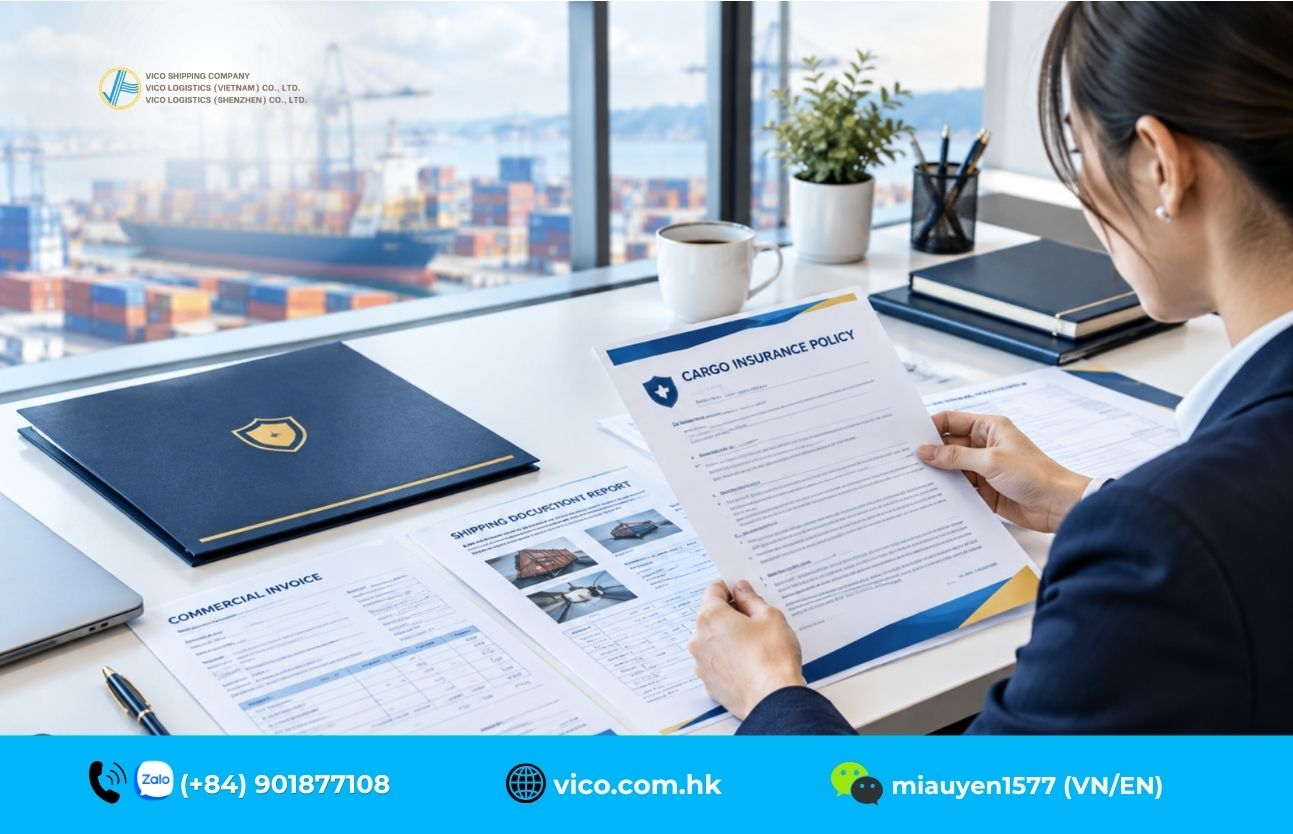
Yes, if the loss falls within the scope of insurance coverage and fulfills the conditions of the insurance policy. However, not all instances of cargo damage are compensable.
5.1. Distinguishing Cargo Insurance from Carrier Liability
Cargo transit insurance protects the insured's interests against risks specified in the insurance contract. Meanwhile, carrier liability is assessed based on the transport contract and applicable law. These two mechanisms may relate to the same loss but operate under different grounds and processing procedures.
Some scenarios eligible for insurer review include physical loss arising from insured perils. Conversely, losses resulting from excluded causes, improper packaging under exclusion clauses, or other contractual exceptions may not be covered.
Businesses must carefully review the scope of insurance, exclusion clauses, deductibles, insured amounts, and damage notification procedures.
5.2. Do CIF and CIP Oblige the Seller to Purchase Insurance?
Under Incoterms 2020, CIF and CIP require the seller to procure insurance for the goods under their respective rules. However, the default insurance coverage of these two terms is not identical:
-
CIF: The default insurance requirement under the CIF rule is typically minimum coverage under the Institute Cargo Clauses (C), unless otherwise agreed by the parties.
-
CIP: The default coverage under Incoterms 2020 is broader, typically under Institute Cargo Clauses (A), unless otherwise agreed or stipulated to match the rule's requirements.
Having insurance does not mean every loss will be compensated. Businesses should explicitly verify insurance scopes prior to shipment, particularly for fragile, high-value, or temperature-controlled goods.
6. What to Do When Goods Are Found Damaged?
Upon discovering a loss, businesses should act promptly, preserve evidence, and notify relevant parties in strict accordance with the contract.
-
Step 1: Record the Condition of the Goods
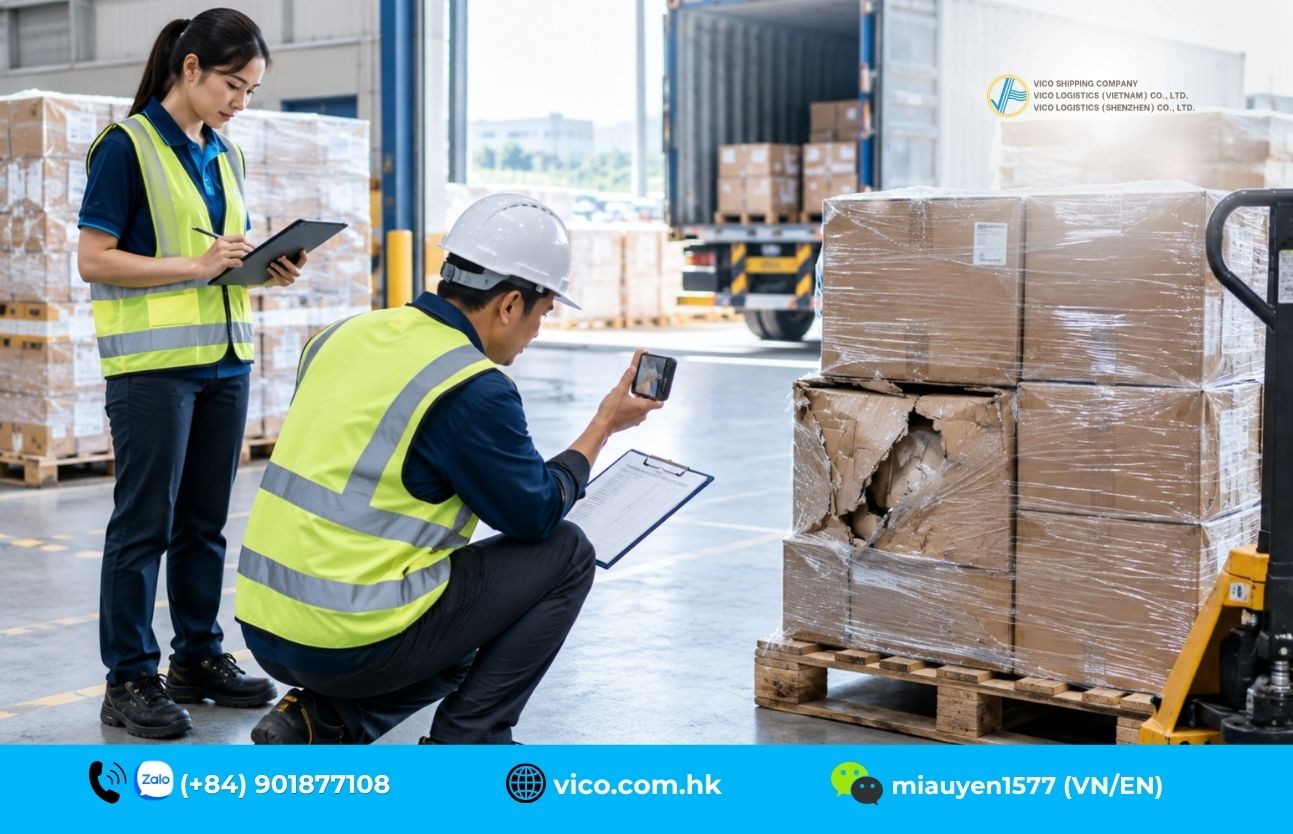
Take photos or videos of the packaging, seals, container, pallets, and affected cargo. Clearly record quantities, item codes, the extent of damage, and the time of discovery. If possible, draft a joint damage report with the forwarder, warehouse, or carrier.
-
Step 2: Notify Relevant Parties
Promptly notify the seller or buyer, carrier, freight forwarder, and insurance company (if insured). Check notification deadlines and time bars in the transport contract, bill of lading, and insurance policy. Do not wait until the root cause analysis is fully completed before notifying of loss.
-
Step 3: Mitigate Further Losses
Take reasonable steps to prevent damages from escalating, such as moving goods away from flooded areas or arranging proper storage if conditions permit. Do not arbitrarily destroy, repair, or dispose of damaged goods in a manner that destroys evidence before consulting the insurer or responsible party, unless emergency action is necessary to ensure safety or mitigate losses.
-
Step 4: Prepare the Claim Dossier
Depending on the situation, the dossier may include:
-
Sales contract and agreed Incoterms rules.
-
Transport contract, bill of lading (B/L), or air waybill (AWB).
-
Commercial Invoice and Packing List.
-
Handover minutes, discrepancy reports, or cargo survey reports.
-
Photographs of goods, packaging, containers, and seals.
-
Documents proving cargo value and damages.
-
Insurance documentation and other records requested by the claim handler.
-
-
Step 5: Determine the Responsible Party and Compensation Plan
After gathering evidence, cross-referencing the moment of risk transfer with Incoterms rules, identifying the cause of damage, and reviewing each party's obligations:
-
If insured, proceed with filing an insurance claim.
-
If there are grounds establishing liability on the part of the carrier or a third party, reserve the right of recourse and provide evidence within the prescribed time limits.
-
7. How to Minimize Cargo Damage Risks in Import-Export
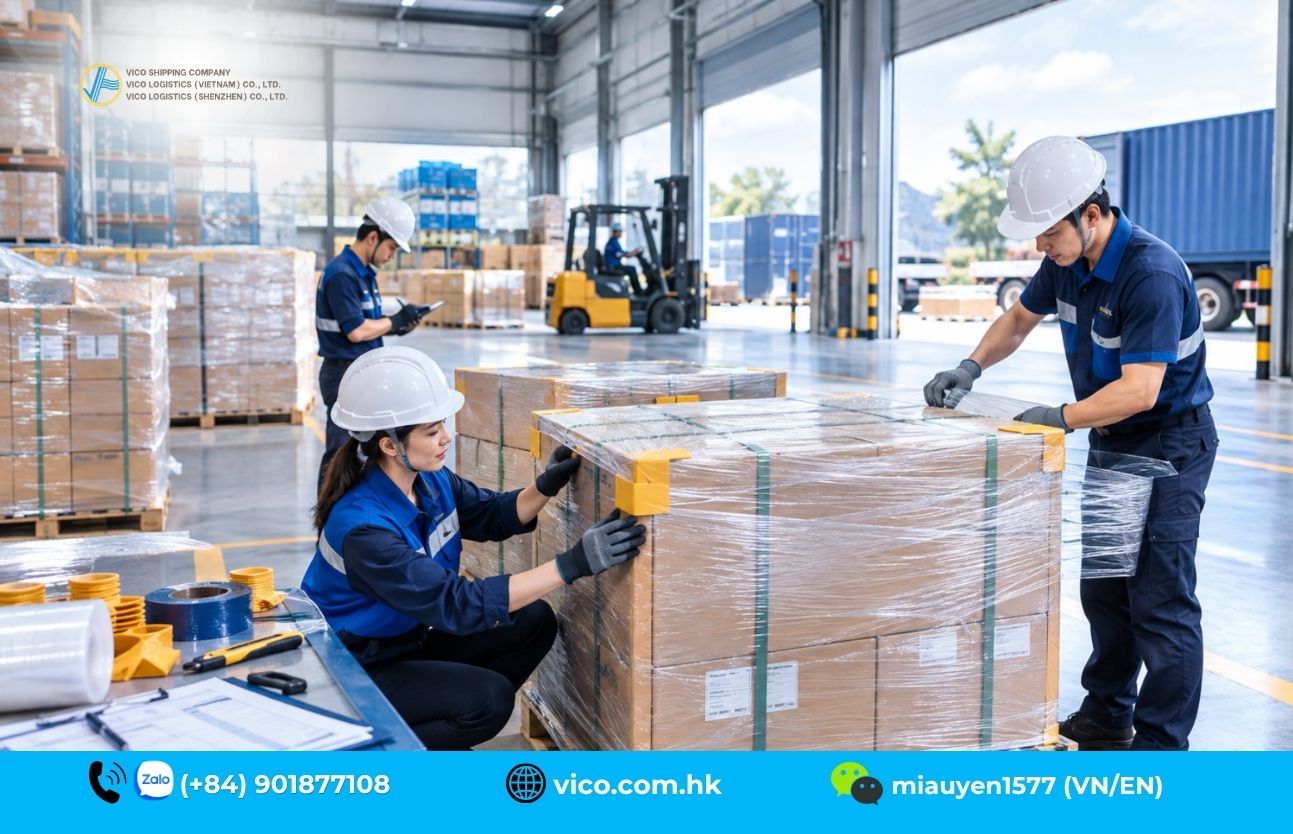
To mitigate losses, businesses should implement preventive measures right from the transport planning phase.
-
Choose the Appropriate Incoterms Rule: Do not select delivery terms based solely on who pays the freight. Businesses must clearly define delivery points, moments of risk transfer, and insurance obligations. Contracts should explicitly state the rule, named place or delivery point, and the Incoterms version, for example: "CIP [Named place], Incoterms® 2020".
-
Inspect Packaging and Stowage Plans: Use packaging suitable for the cargo characteristics, transport mode, and transit duration. For fragile goods, machinery, or temperature-controlled items, ensure appropriate lashing, moisture protection, and preservation arrangements.
-
Select the Right Transport Solution: Assess cargo characteristics, transit times, transshipment frequencies, warehouse conditions, and delivery requirements. For sensitive cargo, prioritize options that offer superior control over handling processes and storage conditions.
-
Evaluate Insurance Against Value and Risk Levels: Businesses should assess cargo value, loss potential, shipping routes, and required insurance scopes. Do not assume minimum insurance under an Incoterms rule covers all asset protection needs.
-
Archive Documentation Throughout the Journey: Retain pre-shipment photos, handover minutes, transport documents, temperature logs (if applicable), and destination delivery records. These documents help businesses determine when losses occurred and protect their interests in case of disputes.
8. Frequently Asked Questions on Liability for Damaged Goods
Who is liable when goods are damaged during ocean freight?
It is necessary to determine the delivery terms, moment of risk transfer, cause of damage, and liability under the transport contract. Under FOB, CFR, and CIF of Incoterms 2020, risk generally transfers when goods are loaded on board at the port of shipment. However, if there are grounds for carrier liability or applicable insurance coverage, a compensation claim may still be pursued.
Does the seller's liability end once goods are handed over to the carrier?
Not in all cases. Under terms like FCA, CPT, and CIP, handing goods over to the carrier is the critical moment for risk transfer. However, the seller may still be liable if they breach separate contractual obligations, such as delivering non-conforming goods or failing to meet packaging requirements.
How do FOB and CIF differ when goods are damaged?
Under Incoterms 2020, both FOB and CIF transfer risk when goods are loaded on board at the shipping port. The difference is that under CIF, the seller must also arrange and pay for freight and insurance to the destination port. The obligation to purchase insurance does not mean the seller continues to bear the cargo risk all the way to the destination port.
Can uninsured goods be compensated?
Potentially, if there are grounds establishing liability on another party under contract or applicable law. However, lacking cargo insurance means a business cannot claim compensation under an unpurchased insurance policy. Recourse rights against the carrier or responsible party must still be evaluated independently.
Conclusion
When cargo is damaged during international transport, one cannot simply rely on who paid the freight or where the goods are located to conclude who bears the loss. Businesses must determine the moment of risk transfer under Incoterms 2020, cross-examine the cause of damage, review contractual obligations, and verify the scope of insurance.
Proactively choosing appropriate delivery terms, standardizing packaging, auditing documentation, and preparing incident-handling plans will help businesses minimize disputes and safeguard the value of their shipments.
VICO Logistics – YOUR INDOCHINA LOGISTICS EXPERT
If your enterprise requires consultation on international transport solutions, cross-border freight, or logistics coordination to mitigate transit risks, contact VICO Logistics to discuss specific cargo characteristics, routes, and delivery requirements.
- Factory Coffee: The Global Coffee Harvest Calendar
- What's So Good About Vietnam Manufacturers
- Electronics Shipping: Mastering The Logistics Of High-Value Technology
- Door To Door Cambodia Shipping: The Ultimate Logistics Solution For 2026
- Trucking Cambodia - Vietnam: Fast & Reliable Cross-Border Solutions 2026
Get a Logistics Quote in just 5 minutes
Professional international transportation and supply chain solutions tailored for your business.
Get a quote now ↗Quick Contact
🇻🇳 Ms Uyen
Hotline / Zalo
(+84) 901 877 108WeChat (VN/EN)
miauyen1577Scan to Contact
Zalo
🇨🇳 Ms Schyler
Office Hotline
(+852) 3759 9300WeChat ID
Schyler_skylarScan to Contact
VICO International Logistics — Your Trusted Logistics Partner in Indochina
Senior member of international logistics and trade associations: Eurocham, JCtrans, VICOFA, VITAS, and more.