

Table of contents: 2. What Is Driving the Push Toward ESG Compliance in Logistics? 3. Why Logistics Is Central to Sustainable Business Transformation 4. What Are the Main ESG Challenges Facing Asian Logistics? 5. Regional ESG Momentum: How Asian Countries Are Responding 6. Turning ESG Compliance into Competitive Advantage 7. Conclusion: Building the Future of Sustainable Logistics Together 8. FAQ Section |
ESG COMPLIANCE IN ASIAN SUPPLY CHAINS — TURNING CHALLENGES INTO SUSTAINABLE LOGISTICS ADVANTAGE
1. Introduction: Why ESG Compliance Matters for Asia’s Logistics Sector
Asia hosts some of the world’s most complex logistics networks, linking manufacturers, raw material suppliers, and global consumers. As Environmental, Social, and Governance (ESG) expectations rise worldwide, logistics operations across Vietnam, China, and Southeast Asia face new structural and regulatory challenges.
Meeting ESG compliance requirements is no longer optional. Global buyers and regulators now expect measurable environmental performance, social responsibility, and transparent governance. Yet implementing ESG standards within fragmented logistics systems remains difficult.
This article explores the main ESG challenges affecting Asia’s logistics sector and how companies like VICO Logistics support clients through data-driven strategy and operational expertise to achieve sustainable logistics outcomes.
2. What Is Driving the Push Toward ESG Compliance in Logistics?
The transformation toward ESG compliance in logistics is driven by global regulations. The European Union’s Corporate Sustainability Reporting Directive (CSRD) and Corporate Sustainability Due Diligence Directive (CSDDD) extend accountability for emissions, labor, and governance across international value chains. Similarly, the IFRS S2 climate disclosure standards require companies to quantify and disclose climate-related risks.
Logistics plays a central role in ESG because it represents the stage where emissions occur, labor practices are visible, and governance determines compliance outcomes. Without consistent data and control, achieving reliable ESG reporting and supply chain transparency becomes nearly impossible.
3. Why Logistics Is Central to Sustainable Business Transformation
Logistics can account for up to 70 percent of a company’s total environmental footprint. It is the operational center where carbon footprint reduction efforts have the most direct impact.
In Asia, logistics systems often remain under-digitized and fragmented. Many operators lack the data infrastructure needed to measure and report emissions accurately. As a result, companies find it difficult to demonstrate measurable progress toward sustainable logistics goals.
>> The rise of sustainable fashion and its impact on the world textile industry
4. What Are the Main ESG Challenges Facing Asian Logistics?
4.1. Carbon Measurement and Reporting Gaps
Accurate emissions tracking is the foundation of any credible ESG program. Across much of Asia, this remains one of the hardest challenges. The region’s logistics sector is dominated by small and medium-sized trucking companies that lack the digital infrastructure to collect or report emissions data effectively. Information on fuel use, idle time, and route efficiency is often gathered manually or not at all.
Warehouses face similar issues, operating without energy metering systems or standardized reporting tools. Companies frequently rely on estimates rather than actual measurements, especially for Scope 3 emissions—those linked to logistics operations—which now represent the majority of most companies’ carbon footprint.
VICO Logistics addresses this by integrating telematics, route analytics, and warehouse energy monitoring across its logistics network. These tools measure fuel consumption, optimize routing to lower emissions, and monitor energy usage in real time. The result is verifiable, shipment-level data that customers can use in their sustainability reports. This enables ESG compliance with international standards such as CSRD and ISSB, while supporting proactive carbon footprint reduction strategies.
4.2. Fragmented Regulation Across Countries
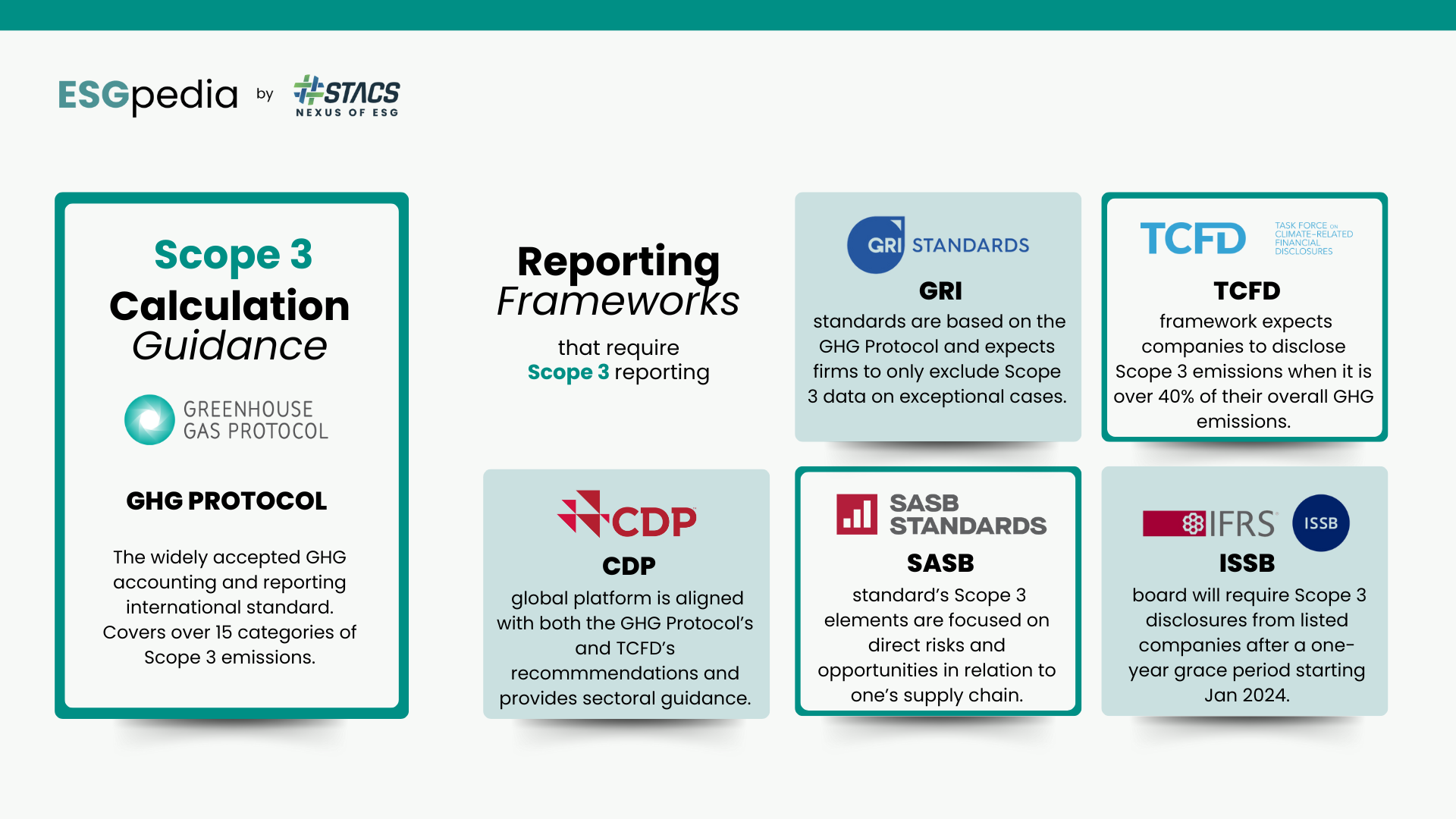
Asia’s logistics landscape spans diverse jurisdictions with varying environmental, labor, and trade regulations. Vietnam, China, Thailand, and Indonesia each have different ESG policies and Extended Producer Responsibility (EPR) laws. For instance, Vietnam’s EPR Decree 08/2022 emphasizes packaging recovery, while China enforces stricter reporting and penalties. Thailand and Indonesia focus more on waste reduction and renewable energy adoption.
Source: ESG pedia
These differences lead to administrative complexity, duplicate audits, and inconsistent compliance requirements. VICO’s compliance specialists continuously monitor ESG policy updates across ASEAN and China, translating complex regulations into clear operational guidelines. This allows customers to maintain ESG compliance while operating seamlessly within Free Trade Zones and cross-border networks, turning regional complexity into practical clarity.
4.3. Infrastructure and Technology Limitations
Infrastructure disparities across Asia remain a major obstacle to sustainable logistics. While China has made significant investments in smart logistics parks, electric vehicles, and renewable port energy, other regions continue to rely on older fleets, fossil fuel systems, and limited multimodal connectivity.
Many industrial zones have yet to transition to renewable power, and the cost of cleaner technologies such as electric or LNG trucks remains high for smaller operators. VICO Logistics adopts a targeted approach, focusing on electrification and energy upgrades where they yield the most benefit. This includes deploying electric vehicles for urban routes, installing solar panels on warehouses, and optimizing multimodal routes to balance road, rail, and barge transport. These measures support carbon footprint reduction while improving long-term operational efficiency.
4.4. Labor and Social Compliance Issues
Social responsibility forms a crucial part of ESG compliance. The logistics industry employs millions across Asia—drivers, warehouse staff, and port workers among them. Inconsistent labor law enforcement and widespread subcontracting often result in uneven labor conditions.
Buyers and regulators now expect logistics partners to demonstrate adherence to international labor standards, including fair wages, safe working conditions, and the elimination of forced or child labor. VICO Logistics enforces a strict governance framework that includes third-party audits, driver training, and transparent recruitment. These initiatives align with ILO conventions and SA8000 standards, promoting safety and accountability across the logistics network.
4.5. Supply Chain Transparency and Data Integration
Supply chain transparency is one of the weakest links in Asia’s logistics ecosystem. Many supply chains still rely on manual documents and spreadsheets, making it difficult to trace goods, verify compliance, or identify inefficiencies.
VICO Logistics addresses this through digital integration and real-time visibility platforms. These connect shipment tracking, customs documentation, and warehouse management data within one unified dashboard. Customers can monitor every shipment stage—including emissions, handling, and storage—ensuring verifiable ESG performance. Enhanced visibility strengthens ESG compliance and builds trust across global supply chains.
4.6. Rising Costs of ESG Implementation
Adopting sustainable logistics practices requires substantial investment in technology and infrastructure. Smaller logistics firms often struggle with upfront costs, while larger players face pricing pressures from global buyers.
VICO helps companies implement ESG compliance measures in stages. Quick-return improvements—like energy-saving retrofits, optimized routes, and better load management—deliver immediate cost savings that can fund future sustainability projects. This phased approach ensures that ESG transformation is financially achievable and supports both compliance and competitiveness.
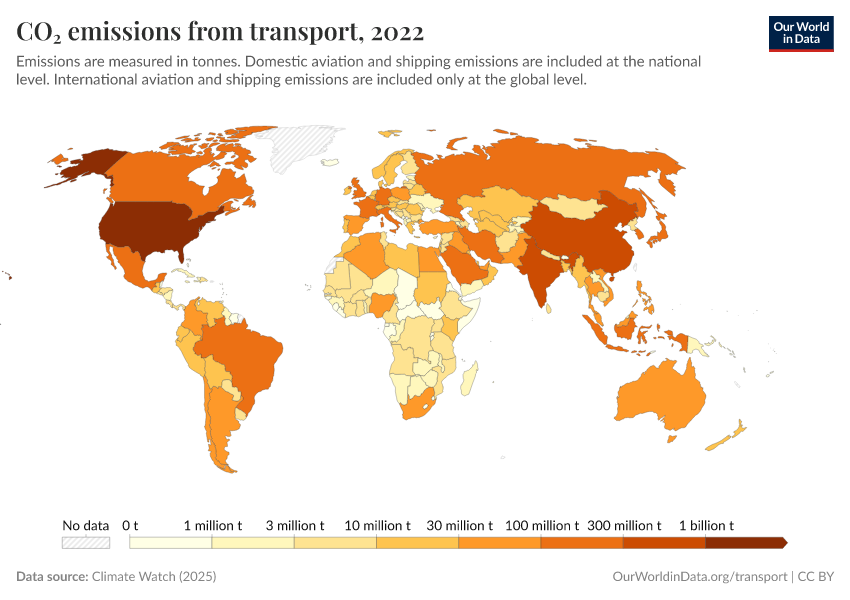
5. Regional ESG Momentum: How Asian Countries Are Responding
Source: Climate Watch 2025 and our world in data
Vietnam: Green Growth and EPR Compliance
Vietnam’s Green Growth Strategy (2021–2030) and EPR Decree 08/2022 promote energy-efficient logistics hubs, waste reduction, and carbon neutrality by 2050. Implementation is ongoing, and many businesses require expert support for full compliance.
China: Dual Carbon Goals and Smart Logistics
China’s dual carbon targets—peaking emissions before 2030 and reaching neutrality by 2060—are accelerating investment in electric fleets, renewable energy, and digitalized logistics zones.
ASEAN: Toward a Circular Economy
ASEAN’s Framework for Circular Economy aims to harmonize recycling and logistics standards across the region. VICO’s cross-border expertise helps clients navigate varied ESG requirements while maintaining efficiency and supporting sustainable logistics.
6. Turning ESG Compliance into Competitive Advantage
ESG compliance is evolving from a cost factor into a strategic advantage. Companies that adopt strong ESG practices gain better access to financing, build brand credibility, and secure preferred supplier status.
VICO Logistics’ ESG-ready operations combine shipment-level carbon data, EPR-compliant reverse logistics, energy-efficient infrastructure, and transparent audits. These capabilities position customers to meet international standards, improve supply chain transparency, and strengthen long-term sustainability performance.
7. Conclusion: Building the Future of Sustainable Logistics Together
Asia’s logistics sector is at a critical turning point. As global regulations tighten and customer expectations grow, companies must move beyond symbolic sustainability efforts toward measurable ESG compliance.
Through technology, data integration, and operational expertise, VICO Logistics helps transform ESG from an obligation into an opportunity—driving efficiency, credibility, and sustainable logistics growth across the region.
8. FAQ
1. What does ESG compliance mean for logistics companies in Asia?
It refers to meeting global environmental, social, and governance standards in logistics operations, covering emissions, labor practices, and reporting transparency.
2. How can supply chain transparency improve ESG reporting accuracy?
Integrated data systems provide verifiable shipment and emissions information, improving the accuracy and credibility of ESG disclosures.
3. What technologies help logistics firms achieve carbon footprint reduction?
Telematics, route optimization, and warehouse energy monitoring help measure and reduce emissions effectively.
4. Why is sustainable logistics becoming a competitive advantage?
Companies demonstrating strong ESG performance gain trust from global buyers and attract sustainable financing.
5. What are the main challenges in achieving ESG compliance in Asia?
Fragmented regulations, limited infrastructure, data gaps, and high implementation costs remain key barriers across the region.
Next in the series Green Logistics in Vietnam: From Policy to Practice
ESG in Vietnam: Driving Sustainable Development in the Logistics Sector
EU Green Textiles and Garment Requirements for Vietnam export
VICO Logistics – Your Indochina Expert
Premium member of Eurocham, JCtrans, VICOFA, VITAS... associations
Owned offices:
- Hong Kong (Causeway Bay),
- China (Luohu-Shenzhen, Hongkou-Shanghai),
- Vietnam (Bay Hien - Ho Chi Minh, Hai Chau- Da Nang, Gia Vien- Hai Phong).
Youtube - Linkedin - Fanpage
Follow us for more valuable information
Book now: https://vico.com.hk/#quotation
| Contact us:
|