Content Table 1. Vietnam Free Trade Zones: A New Position In Global Trade
2. What Drives Vietnam’s Trade Growth? 3. How Do Vietnam’s Free Trade Zones Work? 4. How Does Vietnam Compare To China And Asean? 5. What Role Does Asean Play In Vietnam’s Trade Strategy? 6. What Are The Challenges In Vietnam’s Trade Expansion? 7. Strategic Outlook: The Future Of Vietnam Trade 8. Conclusion: Vietnam’s Path To Trade Leadership In Asia 9. FAQ |
VIETNAM FREE TRADE ZONES AND TRADE STRATEGY: KEY TO GLOBAL SUPPLY CHAINS
1. VIETNAM FREE TRADE ZONES: A NEW POSITION IN GLOBAL TRADE
Free Trade Zones (FTZs), known in Vietnam through various forms like Export Processing Zones (EPZs) or Industrial Parks (IPs) , have become critical nodes in international commerce. Their main goal is to streamline cross border trade and attract foreign investment. They operate as experimental grounds for policy innovation.
This system represents one of three distinct models of trade facilitation in Asia:
- China’s model – a mature, state directed system.
- Vietnam’s framework – an agile, export oriented framework.
- ASEAN’s network – increasingly connected but uneven.
For companies navigating regional logistics and selecting production strategies, understanding these differences is key. Amid global supply chain diversification and geopolitical realignment, Vietnam is emerging as a strategic trade hub in Asia , with FTAs and regional integration reshaping its role in global commerce.
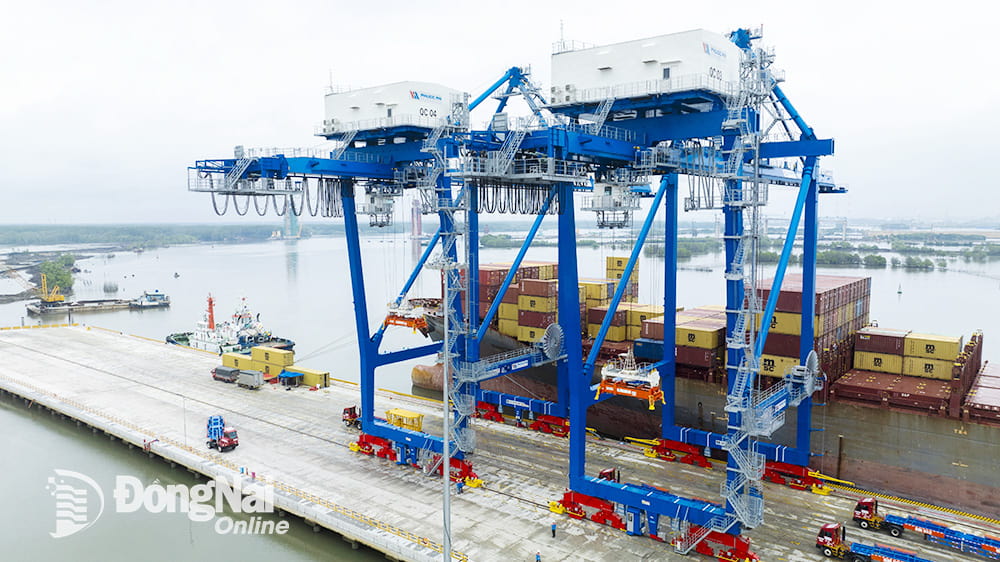
Photo: Dong Nai newspaper
2. WHAT DRIVES VIETNAM’S TRADE GROWTH?
Vietnam's trade growth is strongly driven by core factors:
2.1. Economic Reforms and Foreign Investment Incentives
Vietnam’s FTZ system—often referred to as EPZs or IPs—has expanded rapidly under trade agreements and pro investment reforms.
- Preferential policies include duty exemptions or deferrals on imported materials, simplified customs procedures, and tax incentives.
- These policies reduce friction in trade operations.
- Vietnam has attracted strong foreign direct investment (FDI), particularly from Japan, South Korea, and the EU.
>> Future of Logistics Da Nang: Free Trade Zone & Vietnam IFC Opportunities for Investors
2.2. Role of Export Processing Zones and Key Export Sectors
Vietnam focuses development on high value and growing industries:
- Electronics, textiles, and automotive components.
- Renewable energy.
- These sectors leverage lower labor and logistics costs than China.
2.3. FTA Network and Global Integration
Vietnam’s major competitive advantage is access to major trade agreements, including CPTPP, RCEP, and EU trade deals. This offers agility and cost efficiency, making Vietnam ideal for firms balancing scale with flexibility.
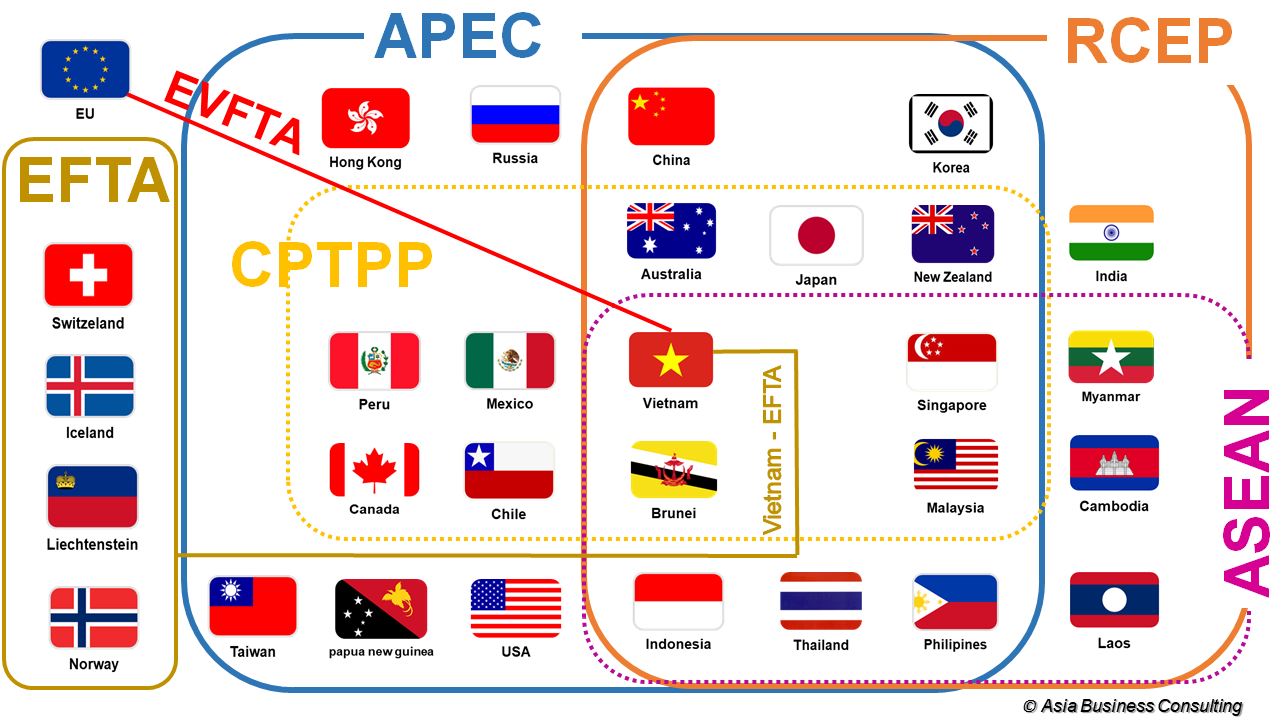
Photo: Asia Business Consulting
3. HOW DO VIETNAM’S FREE TRADE ZONES WORK?
Vietnam has built an agile and cost efficient framework to optimize trade operations.
3.1. Overview of FTZs, EPZs, and Logistics Corridors
Vietnam’s system is primarily composed of export processing zones (EPZs) and industrial parks (IPs) that function as FTZs.
- The government makes investment in ports and logistics infrastructure.
- Despite challenges like uneven provincial management and infrastructure gaps , Vietnam's zones offer agility and cost efficiency.
3.2. Customs Modernization and E Clearance Systems
Vietnam is modernizing its customs through:
- E systems.
- The National Single Window.
- These measures simplify procedures, speed up clearance, and ensure customs efficiency is improving rapidly.
3.3. Examples of Successful Trade Clusters (e.g., Hai Phong, Binh Duong)
While not explicitly named, the file mentions that Vietnam's EPZs/IPs focus on electronics, textiles, and automotive components , areas where key clusters like Hai Phong and Binh Duong typically thrive, demonstrating the system's focus on targeted growth.
4. HOW DOES VIETNAM COMPARE TO CHINA AND ASEAN?
Vietnam positions itself as a "bridge economy," leveraging its distinct advantages to complement, rather than directly compete with, the Chinese and ASEAN models.
4.1. Key Comparative Factors
Factor | China | Vietnam | ASEAN |
Policy maturity | High | Moderate | Varied |
Infrastructure quality | Excellent | Improving | Uneven |
Cost competitiveness | Moderate | High | Mixed |
Customs efficiency | Advanced | Improving rapidly | Inconsistent |
Innovation ecosystem | Strong | Emerging | Fragmented |
Sustainability focus | Growing | Strengthening | Uneven |
Market accessibility | Global scale | Expanding via FTAs | Regional integration |
4.2. Supply Chain Diversification: Vietnam as a “Bridge Economy”
In the context of supply chain diversification, Vietnam serves as a midpoint—cost effective yet well integrated into global trade. Companies are building multi country ecosystems yto balance cost, compliance, and resilience.
4.3. Strategic Complementarity with China’s Manufacturing Ecosystem
China remains the scale and innovation anchor. The opportunity for logistics operators lies in complementing—not replicating—China’s efficiency through regional diversification. Vietnam acts as the flexible network linking China and ASEAN.
5. WHAT ROLE DOES ASEAN PLAY IN VIETNAM’S TRADE STRATEGY?
ASEAN is crucial in solidifying Vietnam's trade position through regional integration.
5.1. Integration under the ASEAN Economic Community (AEC)
Vietnam benefits from regional connectivity under the ASEAN Economic Community (AEC). The ASEAN FTZ framework reflects regional diversity, with models across Singapore, Thailand, and Malaysia serving different industries.
5.2. Regional Logistics Corridors and Investment Harmonization
ASEAN states benefit from strategic geography near global shipping routes. However, challenges include uneven logistics and regulatory quality, and a lack of harmonized customs systems.
5.3. Vietnam’s Role as a Gateway between ASEAN and Global Markets
ASEAN’s FTZs work best for firms operating across multiple markets. The value lies in diversification , but success depends on coordinated logistics and compliance systems. Vietnam helps connect China’s strengths (scale) with the flexible network of ASEAN.
6. WHAT ARE THE CHALLENGES IN VIETNAM’S TRADE EXPANSION?
To achieve trade leadership, Vietnam's trade framework must address several internal challenges:
6.1. Infrastructure and Regulatory Disparities between Provinces
While infrastructure quality is improving, challenges include uneven provincial management and infrastructure gaps.
6.2. Sustainability and Green Trade Compliance
The focus on sustainability is strengthening in Vietnam , but it remains a challenge, as green logistics will define competitiveness.
6.3. Workforce Readiness and Innovation Gaps
Vietnam’s innovation ecosystem is emerging , compared to China’s strong ecosystem. Bridging workforce and innovation gaps is necessary to target high tech industries.
7. STRATEGIC OUTLOOK: THE FUTURE OF VIETNAM TRADE
The next decade of trade in Asia will hinge on connectivity, not competition.
7.1. How Digitalization and Sustainability are Transforming Trade Operations
- Green logistics and digital platforms will define competitiveness.
- Companies are building multi country ecosystems to balance cost, compliance, and resilience.
7.2. Vietnam’s Evolving Position under Global Supply Chain Realignment
Vietnam serves as a midpoint—cost effective yet well integrated into global trade. This position will evolve as global supply chain realignment continues.
7.3. Opportunities for Logistics and Manufacturing Investors
The key opportunity for logistics firms is in creating cross border corridors that connect the strengths of China, Vietnam, and ASEAN into seamless, sustainable supply chains.
8. CONCLUSION: VIETNAM’S PATH TO TRADE LEADERSHIP IN ASIA
Free Trade Zones are both symbols and engines of Asia’s economic evolution.
8.1. Summary of Key Differentiators
- Vietnam demonstrates the power of targeted reform , offering high agility and cost efficiency.
- China shows what institutional maturity delivers.
- ASEAN proves the strength of regional collaboration.
8.2. Long Term Outlook for Investors and Policy Makers
The future of logistics lies in the integration of these systems. Companies that navigate these networks with precision and foresight will set the pace for the region’s next chapter of trade. Vietnam is expected to solidify its role as an efficient, low cost connecting hub.
9. FAQ
What are Vietnam’s main trade agreements?
Vietnam has aggressively opened up through a network of major free trade agreements (FTAs). These include:
- CPTPP (Comprehensive and Progressive Agreement for Trans Pacific Partnership).
- RCEP (Regional Comprehensive Economic Partnership).
- Trade deals with the EU. These FTAs provide global market accessibility and are a key competitive advantage.
How does Vietnam benefit from free trade zones?
FTZs (EPZs/IPs) in Vietnam offer several preferential policies aimed at reducing trade friction:
- Duty exemptions or deferrals on imported materials.
- Simplified customs procedures.
- Tax incentives and foreign investment access. The purpose is to create concentrated
What are the top export industries in Vietnam?
Vietnam's FTZs and Industrial Parks focus on attracting investment into key export sectors, including:
- Electronics.
- Textiles.
- Automotive components.
- Emerging industries like renewable energy. This focus allows for targeted growth and strengthens Vietnam’s position in global supply chains.
How does Vietnam’s trade compare to China’s?
Vietnam and China represent two distinct and complementary trade models:
- China has a mature, large scale system with excellent infrastructure , but moderate cost competitiveness.
- Vietnam excels in agility, high cost competitiveness (lower than China), and rapidly improving customs efficiency. Vietnam acts as a midpoint and a "bridge economy" for supply chain diversification, complementing China's role as the scale anchor.
What’s the outlook for Vietnam’s trade growth through 2030?
Vietnam’s trade outlook is shaped by connectivity and integration.
- The country will continue its role as a cost effective, well integrated midpoint.
- The future will be defined by the integration of its FTZ systems with the models of China and ASEAN.
- Factors like green logistics, digital platforms, and harmonized trade policy will be key to long term competitiveness. Vietnam is expected to continue attracting investment due to its agility and efficiency.
Next in the series Free Trade Zone: Cut Costs & Boost Vietnam–China Trade with VICO
China Free Trade Zones: Benefits, Key Locations, and Logistics Advantages for Vietnam–China Trade
List of Major Shipping Ports in Vietnam and How to Choose the Best Port for Your Business
-----
VICO Logistics – Your Indochina Expert
Premium member of Eurocham, JCtrans, VICOFA, VITAS... associations
Owned offices:
- Hong Kong (Causeway Bay),
- China (Luohu-Shenzhen, Hongkou-Shanghai),
- Vietnam (Bay Hien - Ho Chi Minh, Hai Chau- Da Nang, Gia Vien- Hai Phong).
Youtube - Linkedin - Fanpage
Follow us for more valuable information
Book now: https://vico.com.hk/#quotation
| Contact us:
|