
Table of Content 1. Why ESG Requirements Are Rising for Vietnam’s Garment and Textile Factories 2. What ESG Requirements EU Buyers Expect From Vietnam Garment Factories 3. What ESG Requirements US Buyers Expect From Vietnam Garment Manufacturers 4. How ESG Compliance Now Extends Beyond the Factory to Logistics 5. How VICO Logistics Supports ESG Compliance for Vietnam Textile Exporters 6. How Logistics Optimization Reduces Costs and Improves ESG Performance 7. How Green Warehousing Strengthens ESG for Vietnam Textile Exports 8. Why Workforce and Social Responsibility Are Core to ESG 9. ESG as a Competitive Advantage for Vietnam’s Textile Exporters |
ESG Requirements for Vietnam Garment Factories: What EU and US Buyers Expect
1. Why ESG Requirements Are Rising for Vietnam’s Garment and Textile Factories
1.1 How EU and US markets are reshaping expectations
EU and US buyers are redefining what it means to be a qualified textile supplier. Instead of focusing solely on price, quality, and delivery speed, they now demand complete ESG compliance across the supply chain. Vietnamese garment and textile manufacturers must provide verifiable transparency not only in material sourcing and factory operations but also in sustainable logistics Vietnam. ESG requirements Vietnam textiles are now a prerequisite for entering high-value markets.
1.2 Why ESG logistics matter for textile exporters
ESG performance no longer stops at the factory gates. Buyers now assess logistics as part of sustainability scoring, making transport, warehousing, and documentation critical components of compliance. Green fashion Vietnam requires coordination between manufacturers and logistics partners who must also align with environmental and social standards. As a result, comprehensive ESG logistics for textile exports has become necessary to maintain buyer trust.
1.3 From basic compliance to strategic ESG leadership
What used to be a back-office responsibility is now a strategic pillar. Vietnamese exporters must move beyond minimal compliance and demonstrate full ESG readiness to maintain access to EU and US markets. Companies that proactively adopt ESG logistics and sustainability practices gain stronger positioning and long-term competitive advantage.
2. What ESG Requirements EU Buyers Expect From Vietnam Garment Factories
2.1 Key EU textile sustainability standards (2024–2030)
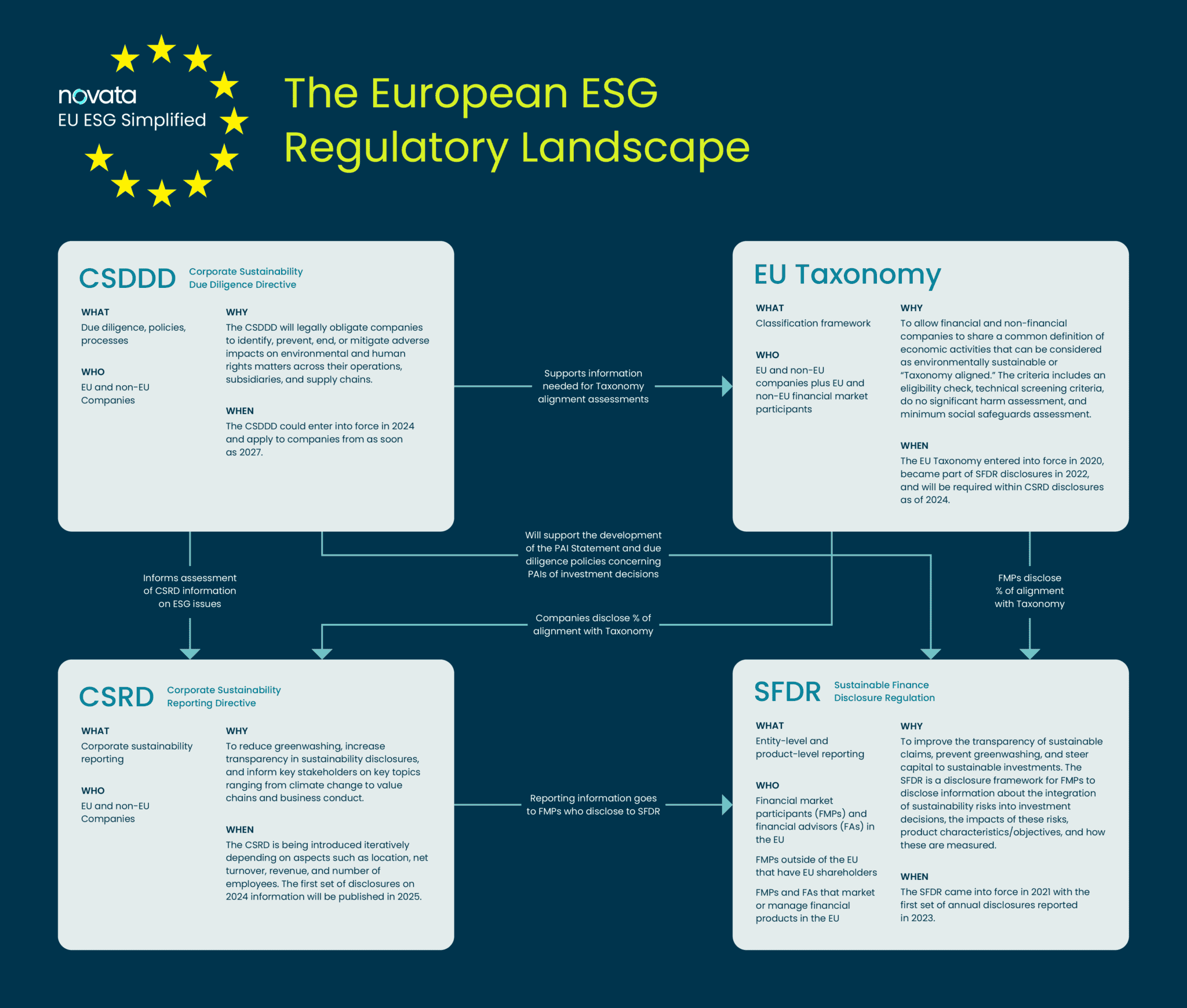
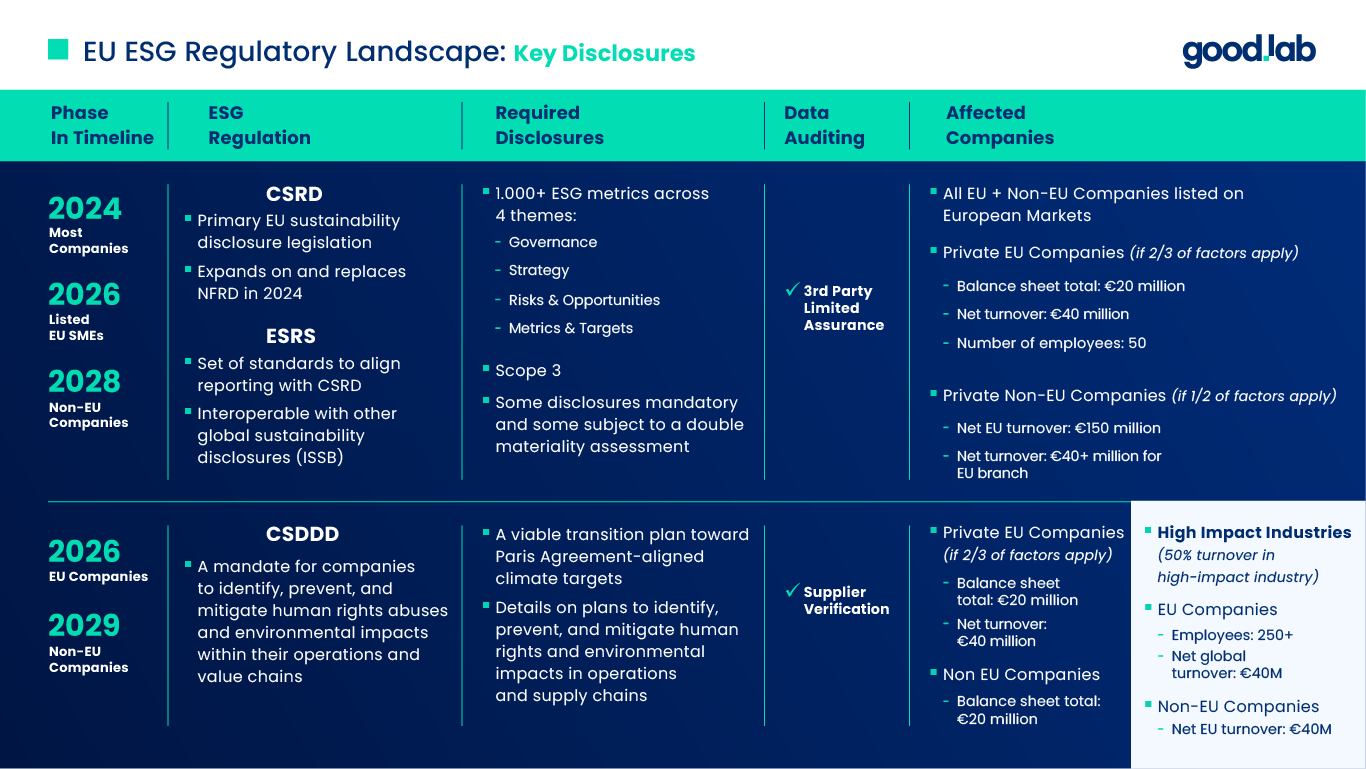
The European Union has introduced a regulatory framework that significantly impacts textile exporters. The Ecodesign for Sustainable Products Regulation requires durability, repairability, recycled fibre content, microplastic control, and overall recyclability. Digital Product Passports mandate transparent environmental footprint tracking, supply-chain data, and chemical usage reporting. Extended Producer Responsibility assigns fees based on product recyclability. The EU also bans the destruction of unsold textiles and enforces the Corporate Sustainability Due Diligence Directive, which obligates companies to manage environmental and human rights risks across their entire value chain. Additionally, unsubstantiated green claims are strictly prohibited.
2.2 How EU standards influence Vietnam garment manufacturing
These EU regulations require Vietnam garment exporters to provide detailed sustainability evidence throughout their operations. Manufacturers must ensure their logistics partners can meet green transport requirements, digital documentation standards, and traceability expectations. Compliance with EU sustainability criteria increasingly shapes whether a supplier is selected or excluded by European brands.
3. What ESG Requirements US Buyers Expect From Vietnam Garment Manufacturers
3.1 Key US ESG regulations impacting Vietnamese apparel exports
In the United States, ESG-related enforcement is growing rapidly. The Uyghur Forced Labor Prevention Act requires strict documentation to prove clean labour practices in every link of the supply chain. California and New York climate disclosure laws expand reporting obligations to include Scope 3 emissions, which directly cover logistics activities. Many US brands have adopted Science-Based Targets, requiring suppliers to measure emissions from manufacturing and transport. Multiple states are also implementing or proposing due-diligence legislation that increases the need for traceability and transparency.
>> EU Green Textiles and Garment Requirements for Vietnam export
3.2 Why US buyers focus heavily on logistics emissions
American fashion brands place particular emphasis on transport and supply-chain performance because more than 90% of a company’s carbon footprint typically comes from these areas. As a result, sustainable logistics Vietnam becomes essential for exporters hoping to access or maintain business in the US. Brands expect clear data and verified documentation covering shipping emissions, warehouse practices, and overall logistics efficiency.
4. How ESG Compliance Now Extends Beyond the Factory to Logistics
4.1 New ESG logistics criteria international buyers evaluate
Global buyers now assess logistics with the same scrutiny they apply to factory operations. Transport emissions, warehouse energy consumption, packaging material efficiency, and fleet performance are all increasingly reviewed. End-to-end traceability, digital documentation, and real-time reporting capabilities are now mandatory expectations for brands applying EU textile sustainability standards or US apparel ESG compliance rules.
4.2 How EVFTA, CPTPP, and green clauses impact textile exporters
With trade agreements such as EVFTA and CPTPP integrating environmental clauses, logistics performance directly affects a company’s ability to maintain preferential tariffs and access key markets. Carbon tracking, fuel efficiency, digital visibility, and route optimisation are now considered part of ESG compliance rather than optional enhancements.
5. How VICO Logistics Supports ESG Compliance for Vietnam Textile Exporters
5.1 ESG logistics solutions provided by VICO Logistics
VICO Logistics delivers specialised sustainability solutions that help exporters meet EU and US regulations. These include shipment-level carbon calculations with GLEC-accredited reporting, Digital Product Passport–ready documentation, multimodal transport combining sea, inland waterway, and rail, and fully paperless operating systems with real-time visibility. Its green-certified warehouses operate with solar power and energy-efficient systems, offering full traceability from the factory floor to the final destination.
5.2 Why VICO Logistics strengthens ESG requirements Vietnam textiles
By integrating digital tools, transparent reporting, and low-carbon transport, VICO Logistics allows textile exporters to meet ESG requirements without slowing down operations. The company’s infrastructure supports modern compliance expectations while enabling smoother, faster logistics performance for Vietnam garment exporters.
6. How Logistics Optimization Reduces Costs and Improves ESG Performance
6.1 Optimization methods that cut emissions and costs
Logistics optimisation delivers both environmental and financial benefits. Consolidation and milk-run systems increase container utilisation significantly. Modal shifts from road to sea or inland waterway transport reduce emissions dramatically. Backhaul and triangular routing prevent empty return trips, while real-time route optimisation improves driving efficiency. Together, these methods support sustainable logistics Vietnam while improving operational performance.
6.2 Results exporters can achieve
Exporters using these ESG-focused logistics strategies often see notable reductions in both freight costs and emissions. Typical results include a 15–30% reduction in logistics expenses and a 20–40% decrease in transport-related emissions, turning sustainability improvements into measurable business gains.
7. How Green Warehousing Strengthens ESG for Vietnam Textile Exports
7.1 Top sustainable warehousing practices
Green warehousing is now a visible and essential part of sustainability compliance. Solar-powered rooftops and renewable energy certificates reduce carbon intensity. LED lighting systems with motion sensors support energy savings, while rainwater harvesting and wastewater recycling improve resource efficiency. Lightweight and recyclable packaging strengthens environmental performance, and automated inventory systems reduce waste and overstocking.
>> Understand the Quotation of Cross-Border Trucking from Vietnam to Cambodia | VICO Logistics
7.2 Locations of VICO Logistics green-certified warehouses
VICO Logistics operates and partners with certified green warehouses located near major ports including Haiphong, Cai Mep, and Danang. These strategic sites combine operational speed and cost efficiency with strong ESG performance, meeting the rising expectations of global buyers.
8. Why Workforce and Social Responsibility Are Core to ESG
8.1 Social compliance standards required by buyers
Social responsibility remains fundamental to modern ESG frameworks. Zero tolerance for forced labour, fair wages, health insurance, and regular medical check-ups form the foundation of compliance. Companies must also invest in employee training on sustainability and ensure ethical recruitment and transparent grievance mechanisms. Full audit trails aligned with SEDEX, BSCI, SLCP, and buyer programmes reinforce credibility.
8.2 Why social compliance boosts buyer confidence
Maintaining strong social standards assures brands that the supply chain satisfies both ethical expectations and regulatory demands. For buyers in the EU and US, strong social governance practices are indispensable components of ESG performance.
9. ESG as a Competitive Advantage for Vietnam’s Textile Exporters
9.1 Benefits of mastering ESG requirements Vietnam textiles
Strong ESG performance directly improves supplier positioning in global markets. Exporters that meet EU and US requirements gain preferred supplier status with brands that prioritise sustainability. They also benefit from reduced exposure to future risks such as the Carbon Border Adjustment Mechanism and enjoy increased order volumes from buyers committed to responsible sourcing. Access to green finance and lower insurance premiums further strengthens their competitive edge.
9.2 How VICO Logistics enables competitive, sustainable supply chains
VICO Logistics equips Vietnamese exporters with the infrastructure required for modern ESG logistics. With digital visibility platforms, carbon reporting systems, low-emission transport options, and green warehousing, the company supports exporters in meeting present and future ESG expectations with confidence.
FAQ
1. Why are ESG requirements essential for Vietnam garment factories?
They are required by EU and US buyers who now expect full environmental, social, and governance compliance across both manufacturing and logistics.
2. What EU rules impact textile exporters the most?
The Ecodesign Regulation, Digital Product Passports, Extended Producer Responsibility, CSDDD, and the ban on destroying unsold goods.
3. How does the US enforce ESG compliance?
Through forced-labour prevention laws, climate disclosure regulations, Scope 3 emission reporting, and expanding due-diligence requirements.
4. Why is logistics part of ESG now?
Because buyers evaluate the entire supply chain, including transport emissions, warehouse energy use, packaging, and traceability.
5. How does VICO Logistics support exporters?
By offering carbon reporting, DPP-ready documentation, multimodal transport, digital visibility, and green-certified warehousing.
6. Can ESG improvements reduce logistics costs?
Yes. Sustainable optimisation strategies can lower freight costs by 15–30% and reduce emissions by 20–40%.
7. What social standards are required?
Fair wages, worker documentation, ethical recruitment, medical support, and adherence to SEDEX, BSCI, and SLCP audits.
8. How does ESG strengthen competitiveness?
It improves buyer trust, reduces regulatory risks, increases order volumes, and opens access to green financing.
Learn more other articles at ESG Challenges in Asia’s Logistics: What Companies Must Overcome
>> Green Logistics in Vietnam: From Policy to Practice
>> ESG in Supply Chains: Why Buyers Demand It & How Logistics Can Deliver
-----
VICO Logistics – Your Indochina Expert
Premium member of Eurocham, JCtrans, VICOFA, VITAS... associations
Owned offices:
- Hong Kong (Causeway Bay),
- China (Luohu-Shenzhen, Hongkou-Shanghai),
- Vietnam (Bay Hien - Ho Chi Minh, Hai Chau- Da Nang, Gia Vien- Hai Phong).
Youtube - Linkedin - Fanpage
Follow us for more valuable information
Book now: https://vico.com.hk/#quotation
| Contact us:
|