
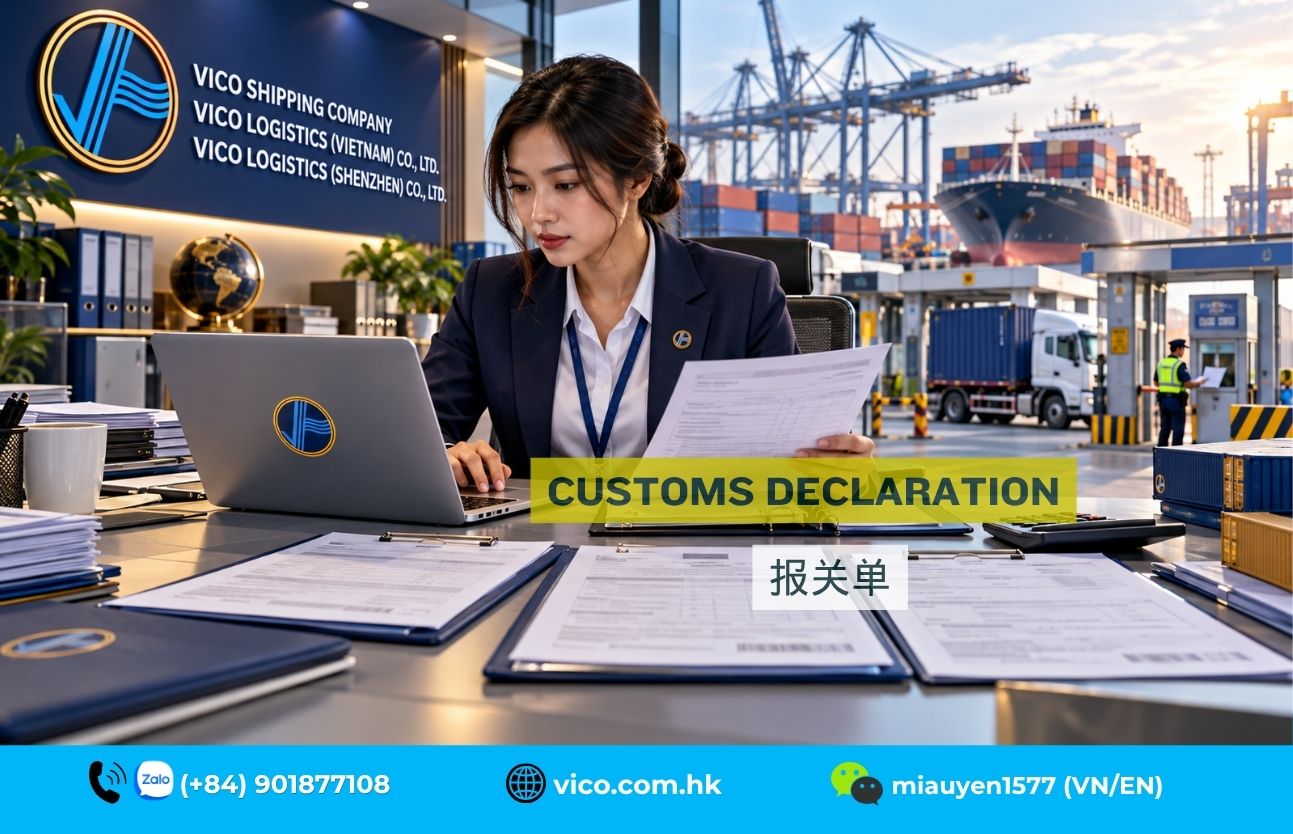
If your business is exporting or importing goods for the first time, a customs declaration is one of the most important documents you need to understand.
Item description, quantity, HS code, value of goods, country of origin, mode of transport, and many other details of the shipment are all tied to the customs declaration process.
Even a single inaccurate detail can lead to inspections, supplementary declarations, or extra time spent processing procedures.
So, what is a customs declaration? What information does it contain? Where is it filed? What does the process look like?
This article will help businesses understand the entire process in a simple, practical way.
1. What is a Customs Declaration?
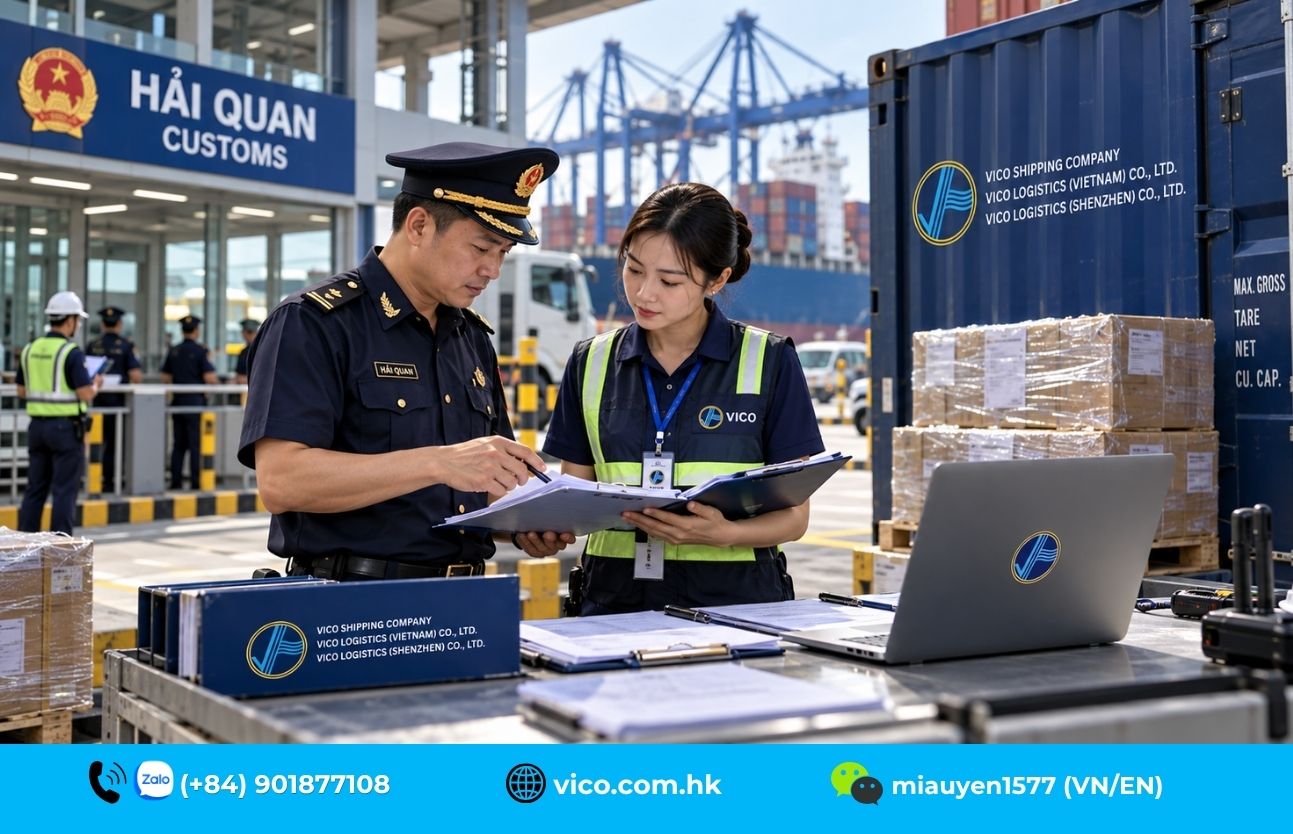
A customs declaration can be simply understood as the document containing information declared by the declarant to the customs authorities regarding export or import goods.
Through the declaration, customs authorities have the basis to identify and check information related to the shipment, such as:
-
Exporter and importer
-
Import-export type
-
Description of goods
-
HS Code
-
Quantity
-
Weight
-
Value of goods
-
Country of origin
-
Mode of transport
-
Port of loading and port of destination
-
Taxes and related obligations
-
Shipment-related documents
In current practice, declarations are primarily handled electronically. Declarants must fully complete all required information fields and submit the documents constituting the customs dossier as prescribed via the electronic customs data processing system.
Simply put:
The Commercial Invoice shows what the sales transaction is; the Packing List shows how the goods are packed; the Bill of Lading shows transport information; while the customs declaration is the declared data submitted to customs authorities to execute export or import procedures.
2. What is a Customs Declaration Used For?
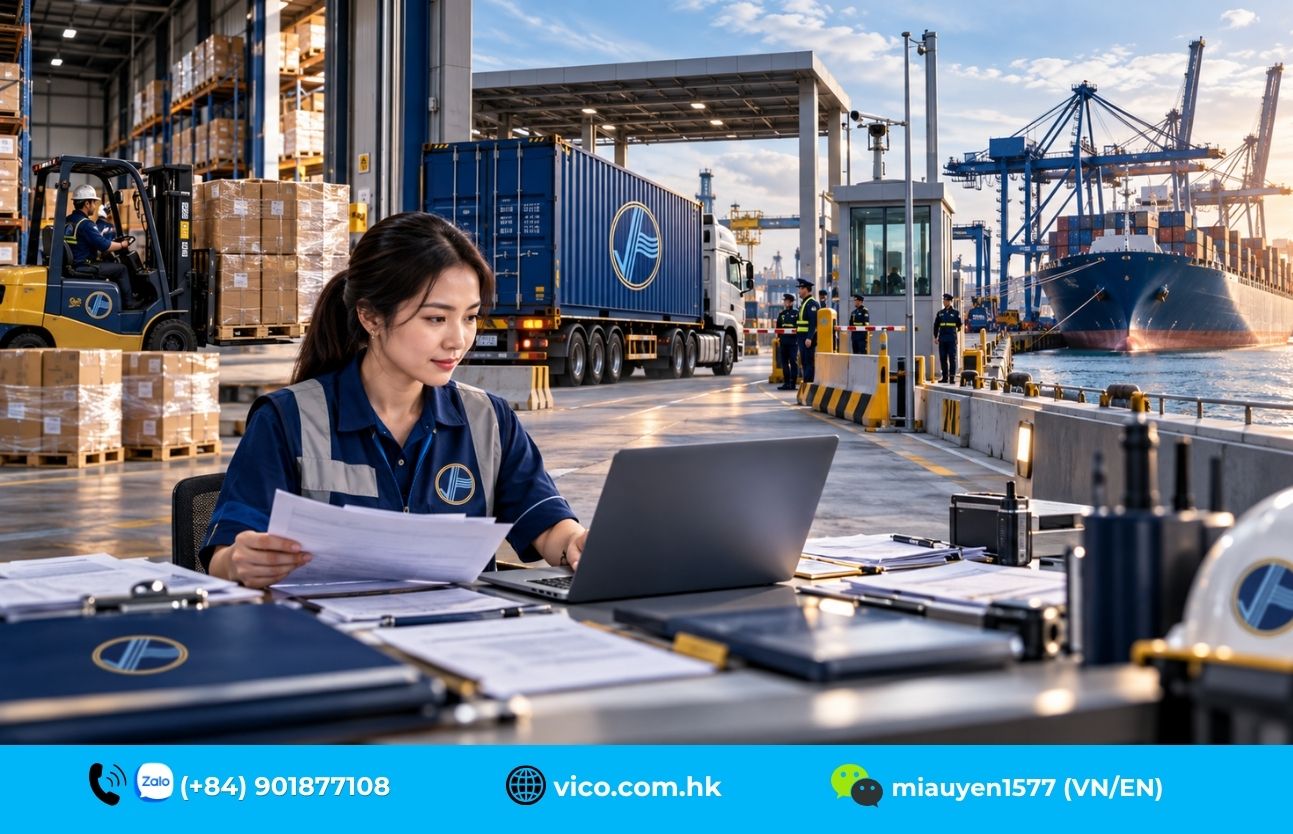
A customs declaration is not merely an administrative form.
It is a critical part of how customs authorities manage import and export goods.
The declared information is used to:
Identify the Goods Being Exported or Imported
Customs authorities need to know:
-
What are the goods?
-
What is the quantity?
-
Where do they originate?
-
Where are they going?
-
Who is the exporter?
-
Who is the importer?
Determine Goods Management Policies
Not all goods are managed the same way.
Depending on the product, businesses may need to check additional requirements such as:
-
Import or export licenses
-
Specialized inspection
-
Quarantine
-
Food safety
-
Product quality
-
Other regulatory policies
Determine the HS Code
The HS Code is the product classification code.
Classifying goods serves as the basis for assigning commodity codes, which in turn drives the application of management policies and tax calculations for import and export goods.
Determine Tax Obligations
Depending on the shipment, businesses may need to determine obligations such as:
-
Import duty
-
Export duty
-
Value-Added Tax (VAT) for imported goods
-
Special consumption tax (where applicable)
-
Environmental protection tax (where applicable)
-
Anti-dumping, countervailing, or safeguard duties (if applicable)
Therefore, declaring accurate information on the customs declaration directly impacts both compliance and the landed cost of the shipment.
3. When Must a Customs Declaration Be Filed?
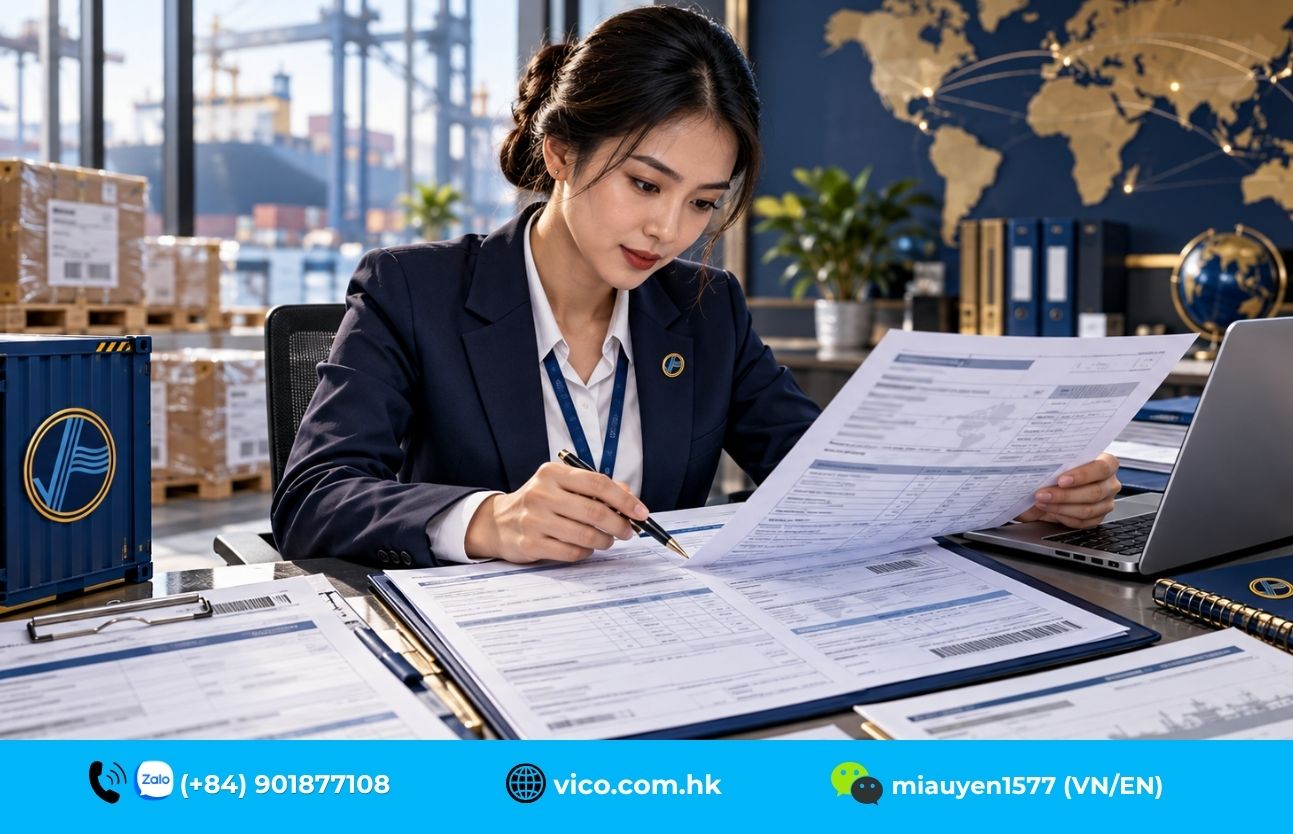
Generally, import or export goods subject to customs procedures must be declared as prescribed.
Under the current Customs Law:
-
For exports, the declaration is submitted after goods are gathered at the location notified by the declarant and no later than 4 hours before the transport vehicle exits the country. For exports sent via express delivery services, the deadline is no later than 2 hours before exit.
-
For imports, the declaration can be submitted prior to the arrival of goods at the border gate or within 30 days from the date of arrival.
However, each transaction type or commodity group may have its own requirements.
Businesses should not rely solely on whether "the goods have arrived or not" to decide when to open a declaration, but should instead check beforehand:
Transaction type $\rightarrow$ commodity policy $\rightarrow$ documents $\rightarrow$ HS Code $\rightarrow$ taxes $\rightarrow$ timing of declaration.
4. What Information Does a Customs Declaration Contain?
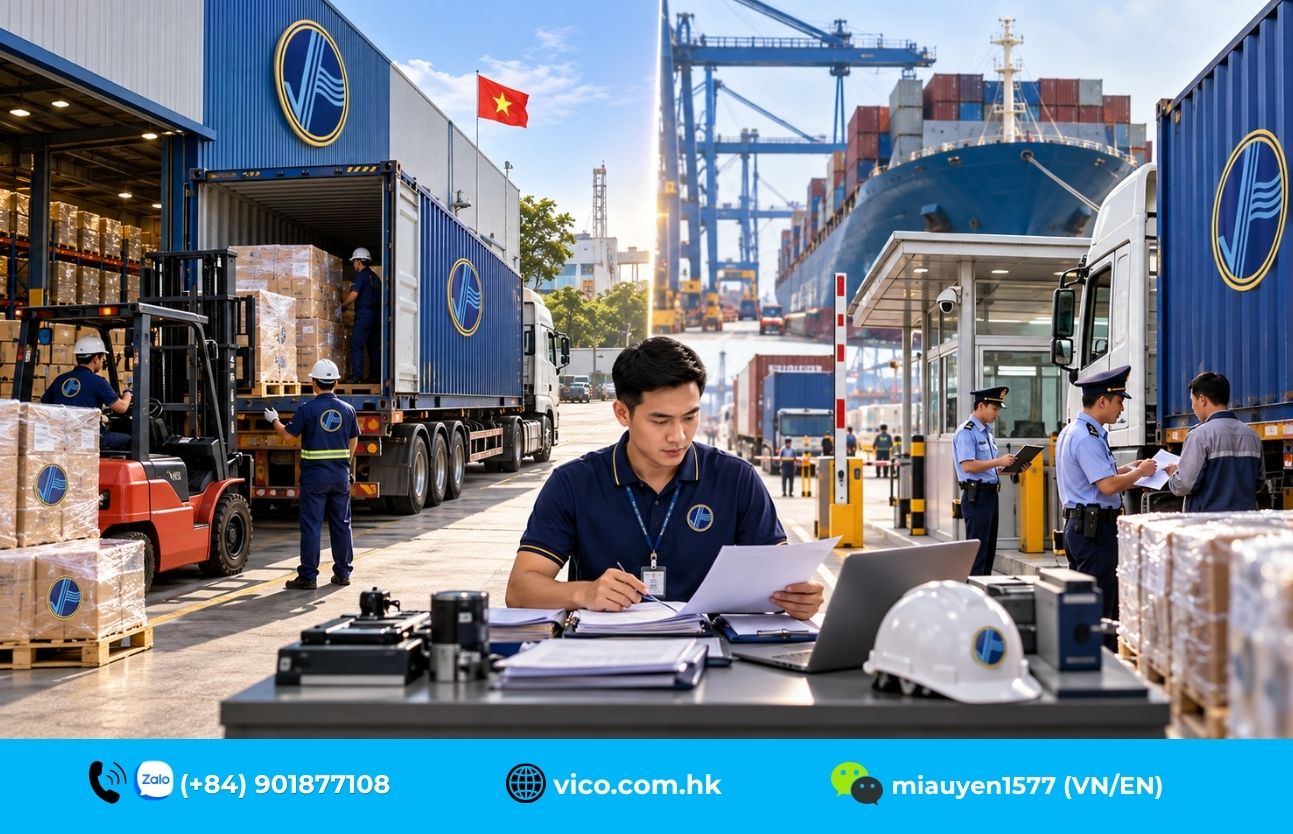
A declaration has quite a few data fields.
First-time practitioners in import-export do not necessarily need to memorize everything right away, but they should understand these key information groups:
4.1. Business Information
Includes details related to:
-
Exporter
-
Importer
-
Customs declarant
-
Tax identification number and related info
4.2. Transaction Type Information
The transaction type code helps determine the nature of the import-export deal.
For instance, importing goods for commercial business differs fundamentally from:
-
Importing raw materials for production
-
Processing
-
Production for export
-
Temporary import for re-export
-
Certain transactions involving export-processing enterprises (EPEs)
Choosing the wrong transaction type can affect management processes and business obligations.
4.3. Transport Information
May include data related to:
-
Means of transport
-
Bill of lading
-
Port of loading
-
Port of discharge
-
Storage location
-
Processing location
4.4. Cargo Information
This is an especially crucial section. Generally, you must accurately determine:
-
Commodity name
-
Product description
-
HS Code
-
Origin
-
Quantity
-
Unit of measurement
-
Weight
-
Unit price
-
Value
This information must be cross-checked against commercial documents and physical goods.
4.5. Tax Information
Depending on the shipment, the system uses the declared data to calculate corresponding tax liabilities.
HS Codes, origin, customs value, and tax policies are closely interconnected.
Example: A product classified under two different HS Codes may result in completely different duty rates or regulatory requirements. This is why determining the HS Code should never rely solely on the commercial name of a product.
5. How Do Export Declarations Differ from Import Declarations?
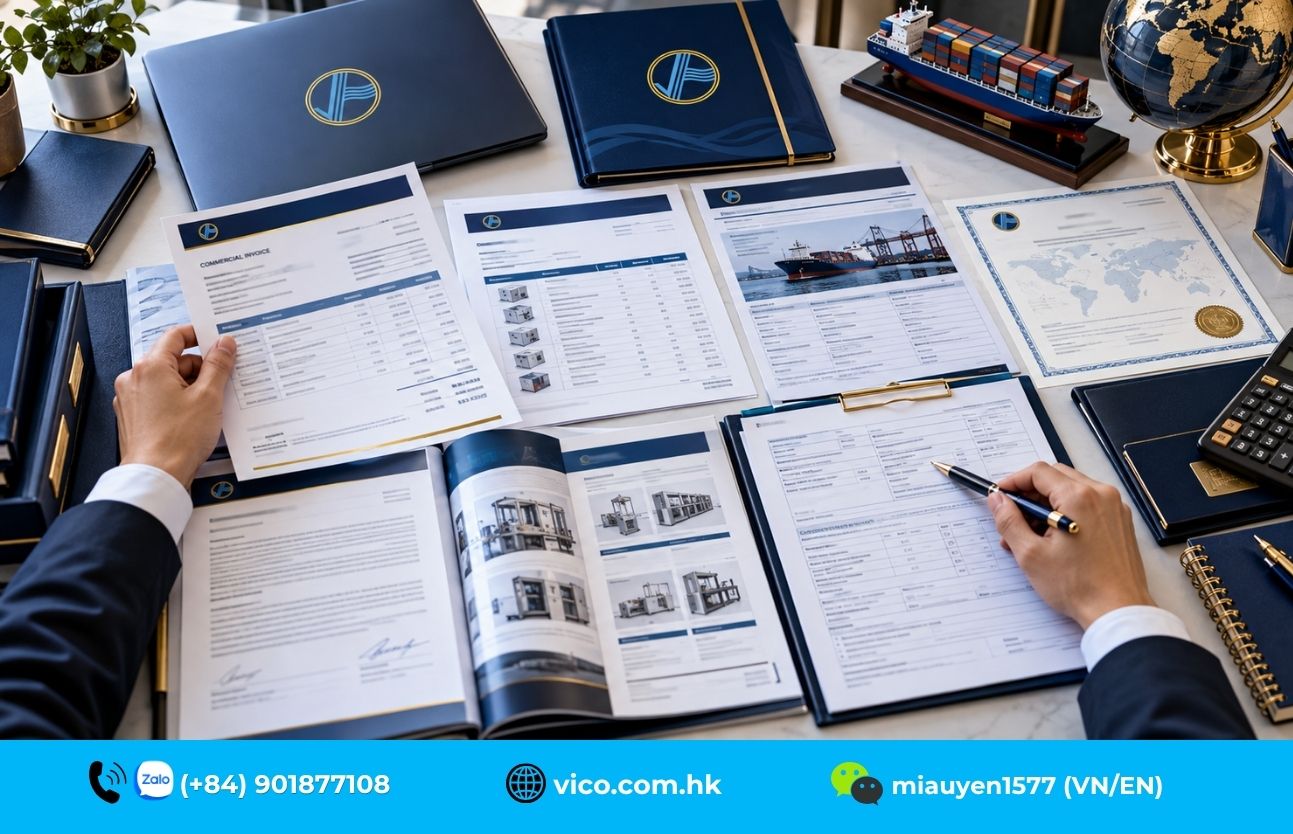
Both serve customs procedures but apply to opposite directions of a transaction.
|
Content
|
Export Declaration
|
Import Declaration
|
|
Purpose
|
Declare goods leaving Vietnam
|
Declare goods entering Vietnam
|
|
Main Scope
|
Exported goods
|
Imported goods
|
|
Taxes
|
May incur export duty depending on the item
|
May incur import duty and related taxes
|
|
Policy
|
Export policy
|
Import policy
|
|
Documents
|
Varies by shipment
|
Varies by shipment
|
The key takeaway is that businesses should not treat a declaration as an isolated document.
The declaration must be verified alongside the entire import-export dossier.
6. Documents to Prepare Before Customs Declaration
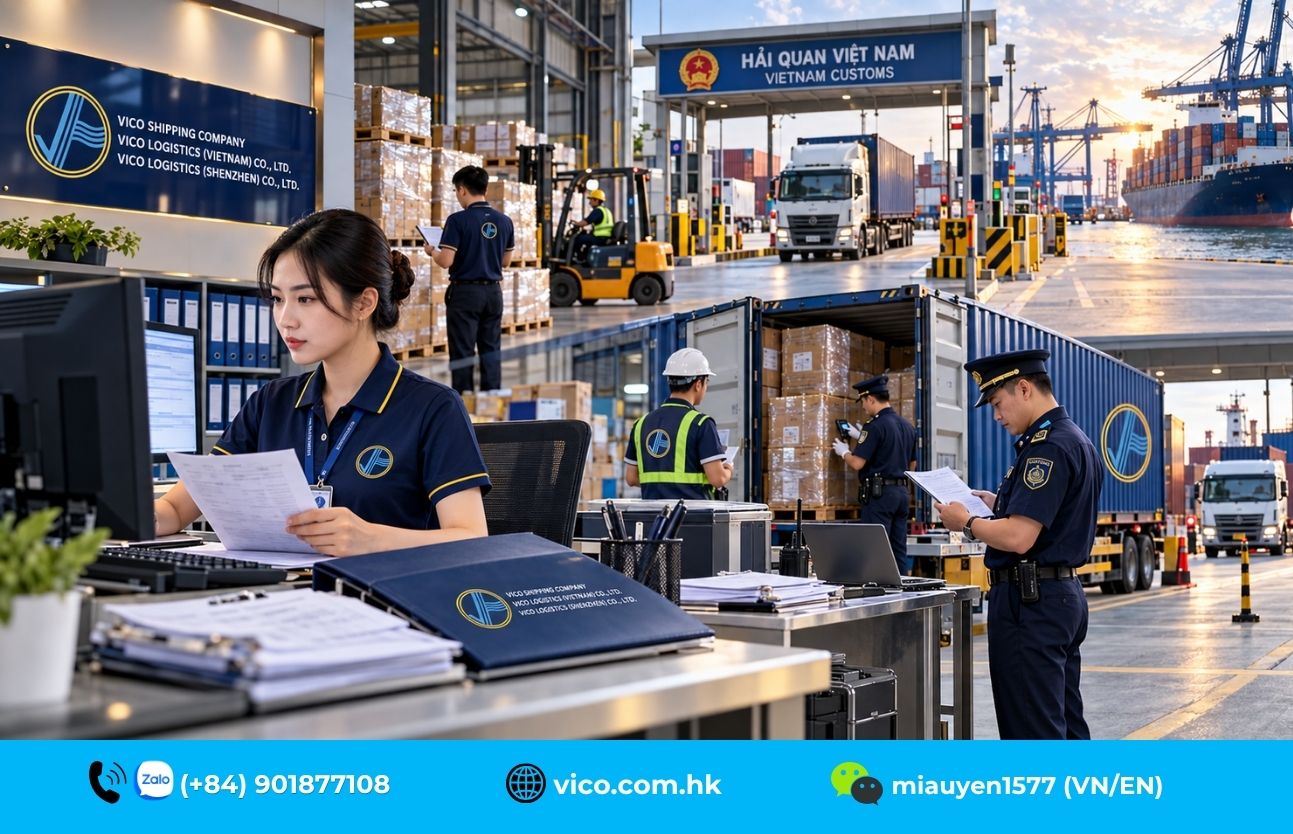
Depending on the commodity, transaction type, and trade nature, required documents will vary.
A common commercial document set typically includes:
-
Commercial Invoice
-
Packing List
-
Bill of Lading / Air Waybill
-
Sales Contract (if applicable or necessary)
-
Certificate of Origin (C/O) (when applicable)
-
Export or Import License (if goods are regulated)
-
Specialized Inspection Certificates (if applicable)
-
Technical literature or catalogues (when needed to determine characteristics and HS Codes)
Under current regulations, the customs dossier includes the customs declaration or alternative documents, alongside other case-specific papers.
A Crucial Principle
Never check each document in isolation.
Always check for consistency across all documents.
Example:
Commercial Invoice states: 100 cartons
Packing List states: 98 cartons
Bill of Lading states: 100 packages
This discrepancy must be resolved before transmitting the declaration.
7. Electronic Customs Declaration Process
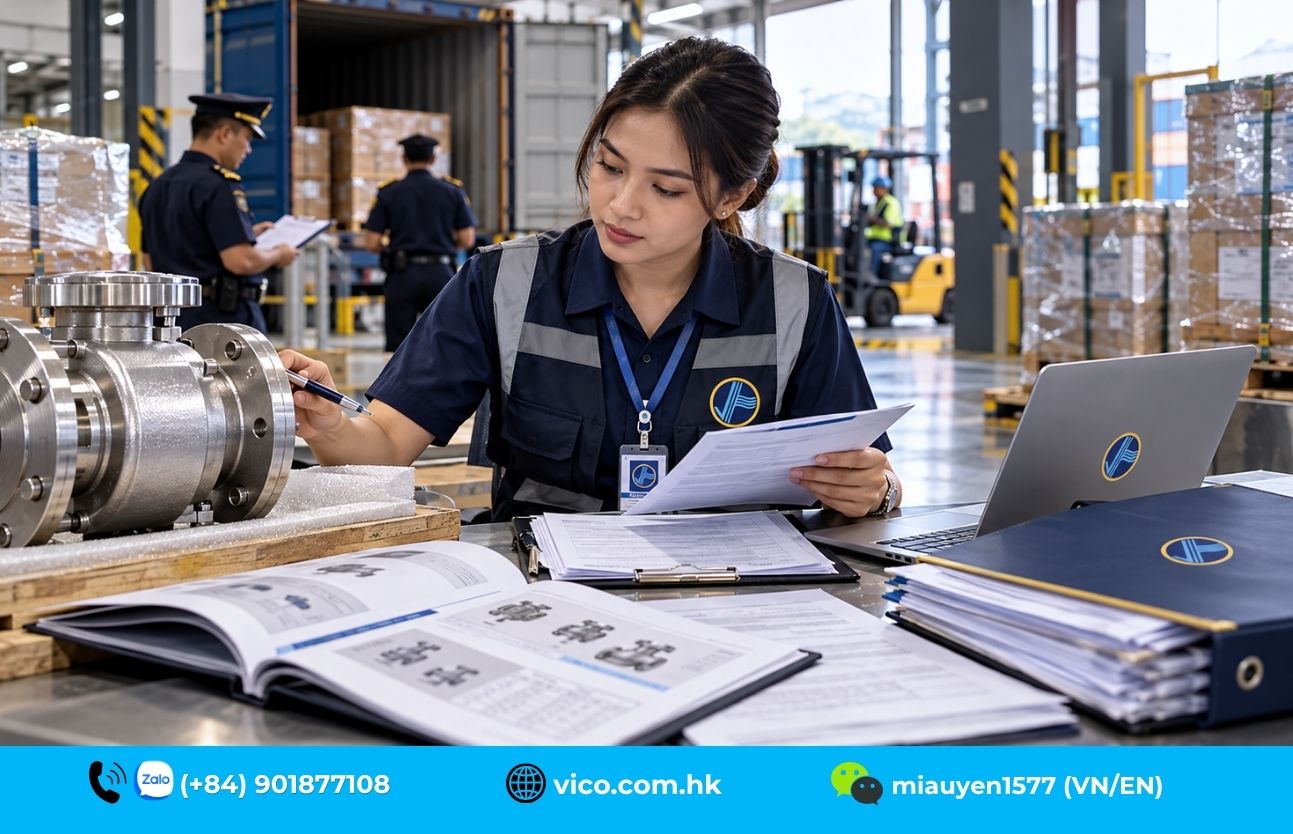
Businesses can visualize the customs declaration process across 8 steps:
-
Step 1: Prepare the Document Set
Gather all papers related to the shipment. First check: Shipper, Consignee, Invoice number, Invoice date, item names, quantities, weights, Incoterms, bills of lading, and C/O (if any).
-
Step 2: Check Commodity Policies
An easily overlooked step. Before goods arrive in Vietnam, determine if they require licenses, specialized inspections, or special conditions. Spotting issues after arrival leads to storage fees and demurrage.
-
Step 3: Determine the HS Code
Analyze components, materials, composition, functions, operations, and technical docs to classify accurately.
-
Step 4: Check Origin and Taxes
Cross-reference C/O, invoices, and packing lists to see if preferential tariff rates under trade agreements apply.
-
Step 5: Input Declaration Data
Enter shipment data into the customs system (transaction code, HS code, quantity, weight, value, origin, transport info, duties).
-
Step 6: Pre-Transmission Check
Perform at least one cross-check between prepared data and original documents.
-
Step 7: Register Declaration and Receive Channeling Results
The system processes data and routes the declaration into specific inspection levels.
-
Step 8: Complete Customs Clearance
Fulfill tax obligations, present files, undergo physical inspections if requested, and complete clearance.
8. What Are Green, Yellow, and Red Channels?

These are terms first-time importers and exporters care about most:
-
Green Channel: Lower inspection level. If other conditions are met, the shipment clears faster. Note: Green does not mean freedom to declare incorrectly; accuracy remains the business's responsibility.
-
Yellow Channel: Customs inspects documentation. Dossiers must be complete, logical, consistent, and match the declaration data.
-
Red Channel: Besides document review, physical inspection of the cargo is required. Declarations, documents, and actual goods must align seamlessly.
9. How to Read Key Information on a Customs Declaration
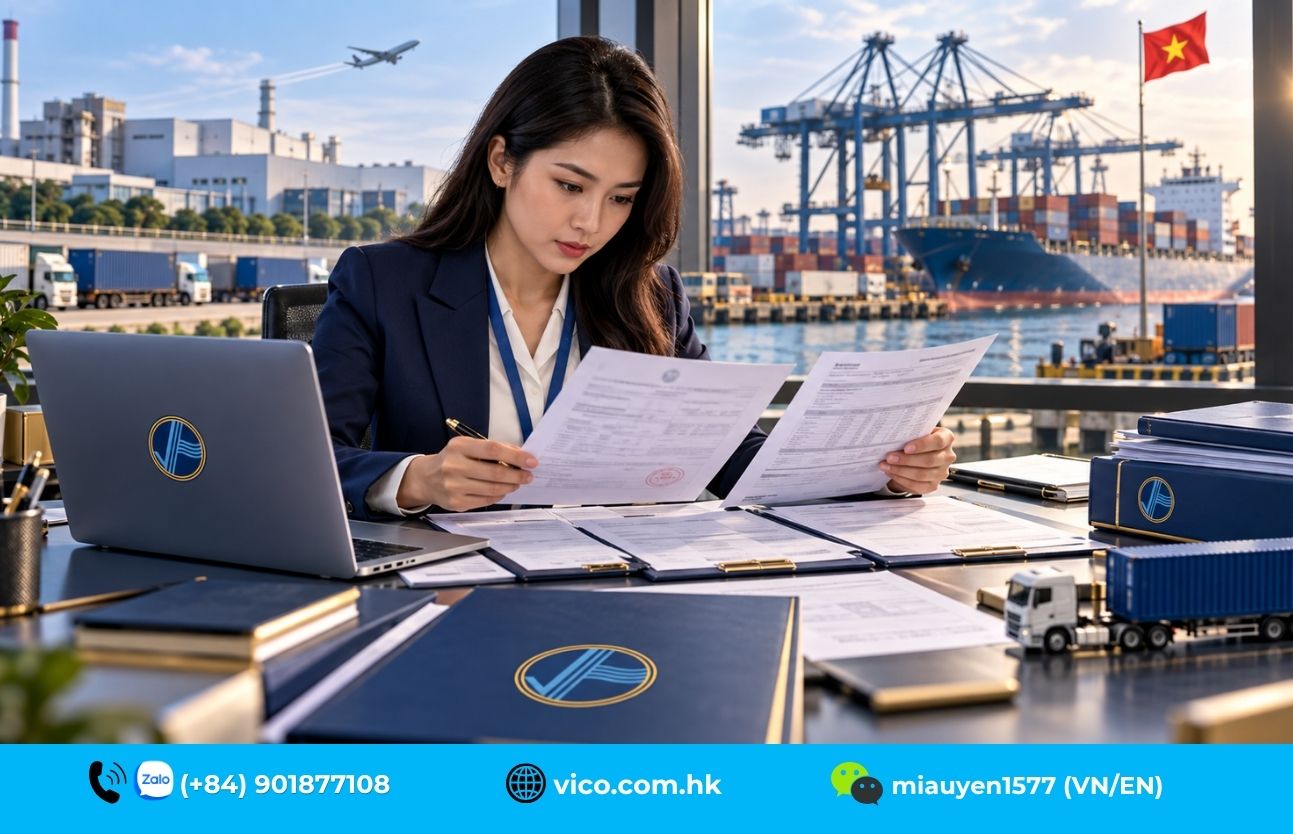
If you are not a customs specialist but need to review a declaration, prioritize checking these fields:
-
Declaration Number: Identifies the specific declaration.
-
Registration Date: Date of registry.
-
Transaction Type: Nature of the import/export.
-
Exporter & Importer: Verify business info.
-
Bill of Lading: Cross-check with transport docs.
-
HS Code: Crucial for taxes, policies, and regulations.
-
Description of Goods: Avoid overly generic terms like "Machine parts"; match actual characteristics.
-
Quantity & Gross Weight: Cross-check with Invoices, Packing Lists, and B/L.
-
Country of Origin: Essential for preferential tariffs via C/O.
-
Customs Value: Basis for tax liabilities.
10. How Long Is a Customs Declaration Valid?
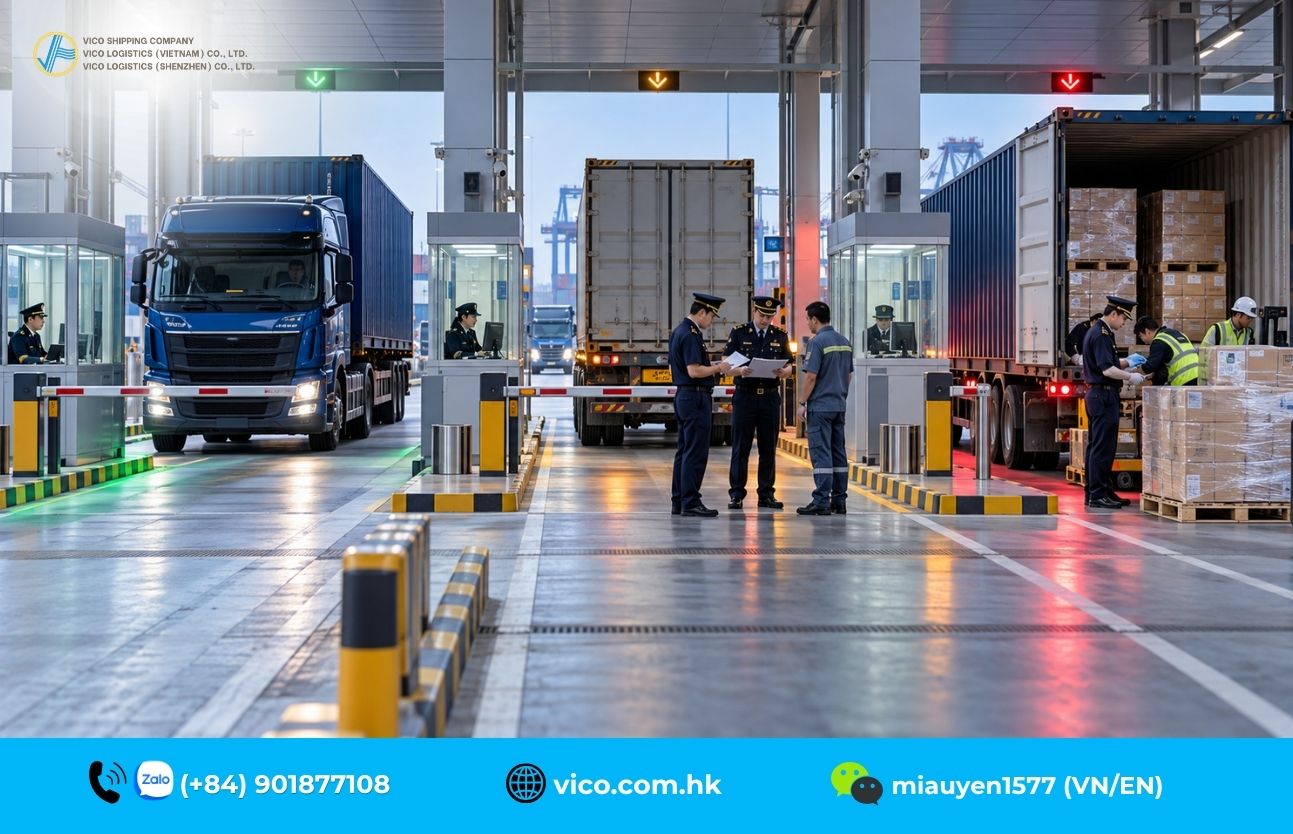
Under current regulations, a customs declaration is valid for carrying out customs procedures for 15 days from the registration date.
Businesses must watch this milestone closely. Under Circular 121/2025/TT-BTC, failing to meet requirements past 15 days can lead to the cancellation of the declaration. Avoid filing too early before your shipment or paperwork is truly ready.
11. Can an Incorrect Declaration Be Amended?

Common errors include wrong item names, quantities, weights, HS codes, origins, invoice numbers, transport data, or values.
Depending on when the error is discovered, businesses may perform supplementary declarations or follow alternative procedures.
Key Rule: Never alter commercial documents arbitrarily just to "match a flawed declaration." First, identify what is correct, where the error originated, whether the goods are cleared, and what regulatory path applies.
12. 8 Common Customs Declaration Mistakes
-
Selecting the wrong HS Code (affects duties and compliance).
-
Overly generic goods descriptions (trade names don't always reflect true substance).
-
Inconsistent Invoices and Packing Lists.
-
Incorrect origin declarations (Country of Export $\neq$ Country of Origin).
-
C/O mismatch with documentation.
-
Choosing the wrong transaction type.
-
Failing to check policies before goods arrive (causing costly delays, storage, and demurrage).
-
Checking documents in isolation without cross-checking.
13. Pre-Transmission Checklist

Before finalizing declarations, run a fast cross-check:
-
Commercial Info: Shipper, Consignee, Invoice No./Date, Currency, Incoterms.
-
Cargo: Description, HS Code, Quantity, Unit, Gross/Net weight, Origin.
-
Logistics: B/L or AWB, Port of Loading/Discharge, Container numbers.
-
Compliance: Commodity policies, licenses, specialized inspection, C/O, tax calculation.
-
Cross-check: Invoice $\leftrightarrow$ Packing List $\leftrightarrow$ B/L $\leftrightarrow$ C/O $\leftrightarrow$ Declaration.
14. Should You Self-File or Hire a Customs Broker?
-
Self-file if: You have an experienced in-house import-export team, frequent shipments, clear document control workflows, deep HS Code expertise, and problem-solving readiness.
-
Hire a logistics/customs partner if: You are importing/exporting for the first time, dealing with complex multi-HS Code shipments, regulated goods requiring licenses/inspections, intricate C/O requirements, or tight deadlines without dedicated in-house personnel.
15. Simple Example of an Import Shipment
Suppose a Vietnamese business imports equipment from China:
-
Receive Commercial Invoice, Packing List, B/L, C/O, Catalogue.
-
Determine what the actual goods are.
-
Check import permission and specialized inspection requirements.
-
Establish the correct HS Code and tax rate.
-
Verify C/O validity and document consistency.
-
File the declaration $\rightarrow$ Receive channel routing $\rightarrow$ Clear customs.
16. Frequently Asked Questions (FAQ)
-
What is a customs declaration called in English?
Customs Declaration.
-
Is a customs declaration the same as an Invoice?
No. Commercial Invoices are sales records between buyer and seller; declarations are regulatory filings for customs.
-
Are Packing Lists or Bills of Lading customs declarations?
No, they are packing and transport documents, respectively, used as cross-reference data.
-
How long is a declaration valid?
15 days from registration.
-
Can you declare before goods arrive?
Yes, for imports, declarations can be submitted prior to arrival or within 30 days of arrival.
-
Does the Green Channel guarantee zero inspection?
No, it reduces clearance friction, but businesses remain fully legally liable for data accuracy.
-
Is an incorrect HS Code serious?
Yes, it impacts duties, compliance, and regulatory penalties.
17. Conclusion
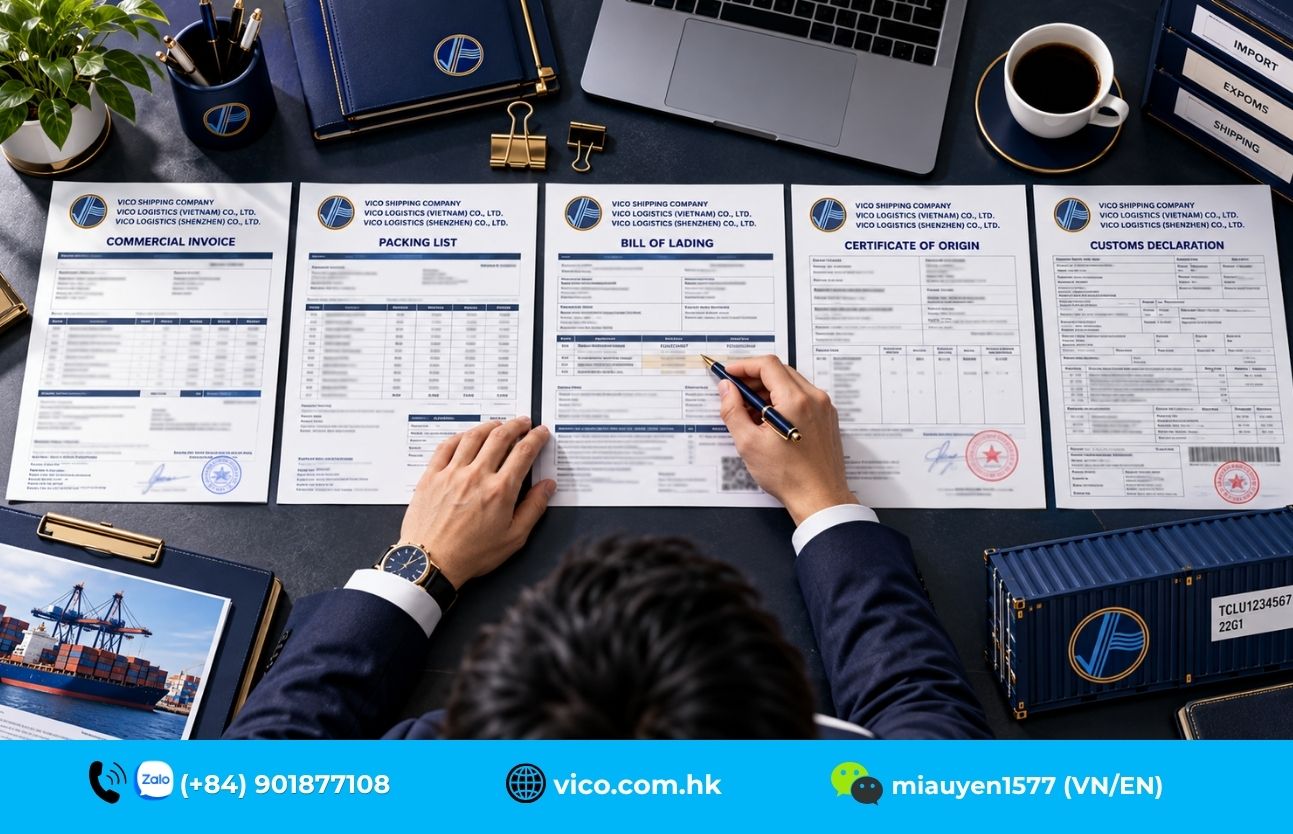
Understanding what a customs declaration is represents only the first step. Ensuring total alignment across your entire document and logistics chain—from physical goods and HS codes to invoices, packing lists, transport papers, and tax valuations—is what drives seamless cross-border trade.
How VICO Logistics Can Help
VICO Logistics supports businesses across every stage of import-export, from document checks and customs clearance coordination to international freight forwarding.
Depending on your shipment's needs, you can receive support with:
-
Import-export document verification
-
Declaration data assistance and verification
-
Customs clearance coordination
-
Commodity requirement checks
-
International freight and cross-border trucking
-
Warehousing, distribution, and door-to-door logistics solutions
If your business is preparing an export or import shipment and you want to ensure your documents, HS codes, C/O, and customs compliance are in order, send your shipment details to VICO Logistics for a thorough review and tailored solution before your cargo moves.
- What Is a Certificate of Origin (C/O)? Types and Verification Guide
- What Is a Bill of Lading (B/L)? Functions, Types, and How to Read It from A to Z
- Commercial Invoice: What It Is and How to Prepare It
- What Is a Packing List? How to Prepare a Proper Packing List for Import and Export Shipments
- Factory Coffee: The Global Coffee Harvest Calendar
- What's So Good About Vietnam Manufacturers
- Electronics Shipping: Mastering The Logistics Of High-Value Technology
- Door To Door Cambodia Shipping: The Ultimate Logistics Solution For 2026
- Trucking Cambodia - Vietnam: Fast & Reliable Cross-Border Solutions 2026
Get a Logistics Quote in just 5 minutes
Professional international transportation and supply chain solutions tailored for your business.
Get a quote now ↗Quick Contact
🇻🇳 Ms Uyen
Hotline / Zalo
(+84) 901 877 108WeChat (VN/EN)
miauyen1577Scan to Contact
Zalo
🇨🇳 Ms Schyler
Office Hotline
(+852) 3759 9300WeChat ID
Schyler_skylarScan to Contact
VICO International Logistics — Your Trusted Logistics Partner in Indochina
Senior member of international logistics and trade associations: Eurocham, JCtrans, VICOFA, VITAS, and more.