
Content of Table 2. The Evolution of China’s FTZs: From Bonded Trade to Innovation Hubs 3. What’s Next for China’s FTZs? Emerging Trends Shaping Global Trade 3. Implications for Global Trade and Logistics Strategy 4. How VICO Logistics Adds Value in the Future of China FTZs 5. Conclusion – The Future of China FTZs and Global Supply Chain Integration 6. FAQ: China–Global Supply Chain FTZ |
China–Global Supply Chain FTZ: The Next Phase of Free Trade Zone Evolution
1. Introduction – China’s Free Trade Zones at a Turning Point
Over the past decade, China’s Free Trade Zones (FTZs) have evolved from experimental models into the strategic backbone of the nation’s trade and logistics ecosystem. Initially built to streamline customs clearance, reduce tariffs, and facilitate bonded warehousing, these zones now sit at the crossroads of global supply-chain transformation.
As China strengthens its position in international logistics—especially along the China–Vietnam and China–ASEAN corridors—the China–global supply chain FTZ network is taking on new meaning. The next decade will not be defined by tariff mechanics alone, but by how digital infrastructure, service integration, and sustainability reshape trade flows.
At VICO Logistics, we view the future of China FTZs as a crucial pillar of global trade planning. Understanding their trajectory enables businesses to capitalise on competitive advantages in cost, speed, and resilience.
2. The Evolution of China’s FTZs: From Bonded Trade to Innovation Hubs
2.1 From Tariff Deferral to Service Liberalisation
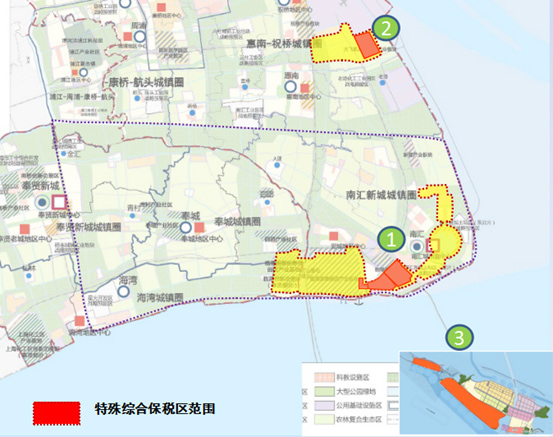
When China launched the Shanghai Free Trade Zone in 2013, the policy focus was clear: tariff deferral, VAT suspension, and simplified customs procedures. Over time, however, FTZs expanded to include liberalised financial services, cross-border e-commerce pilots, and even data governance frameworks.
This China free trade zone expansion marked a shift from physical goods facilitation to a broader platform supporting trade in services, data, and digital commerce. FTZs became not only logistics centres but also innovation ecosystems—enabling businesses to operate with greater agility across physical and digital supply chains.
2.2 Expanding Geography, Expanding Purpose
China’s FTZ landscape now spans over 20 zones, including the Hainan Free Trade Port and new inland FTZs such as Xinjiang. The expansion beyond coastal regions underscores a strategic shift: from maritime gateways to inland corridors, from port trade to global supply-chain integration.
At VICO Logistics, we see this shift as transformative. It connects multimodal routes—rail, road, sea, and air—while bridging China with ASEAN and Eurasian markets. In essence, FTZs have evolved from policy zones to connectivity nodes within the global logistics map.
>> China Free Trade Zones: Benefits, Key Locations, and Logistics Advantages for Vietnam–China Trade
3. What’s Next for China’s FTZs? Emerging Trends Shaping Global Trade
3.1 Digital Infrastructure and Data Policy as Export Levers
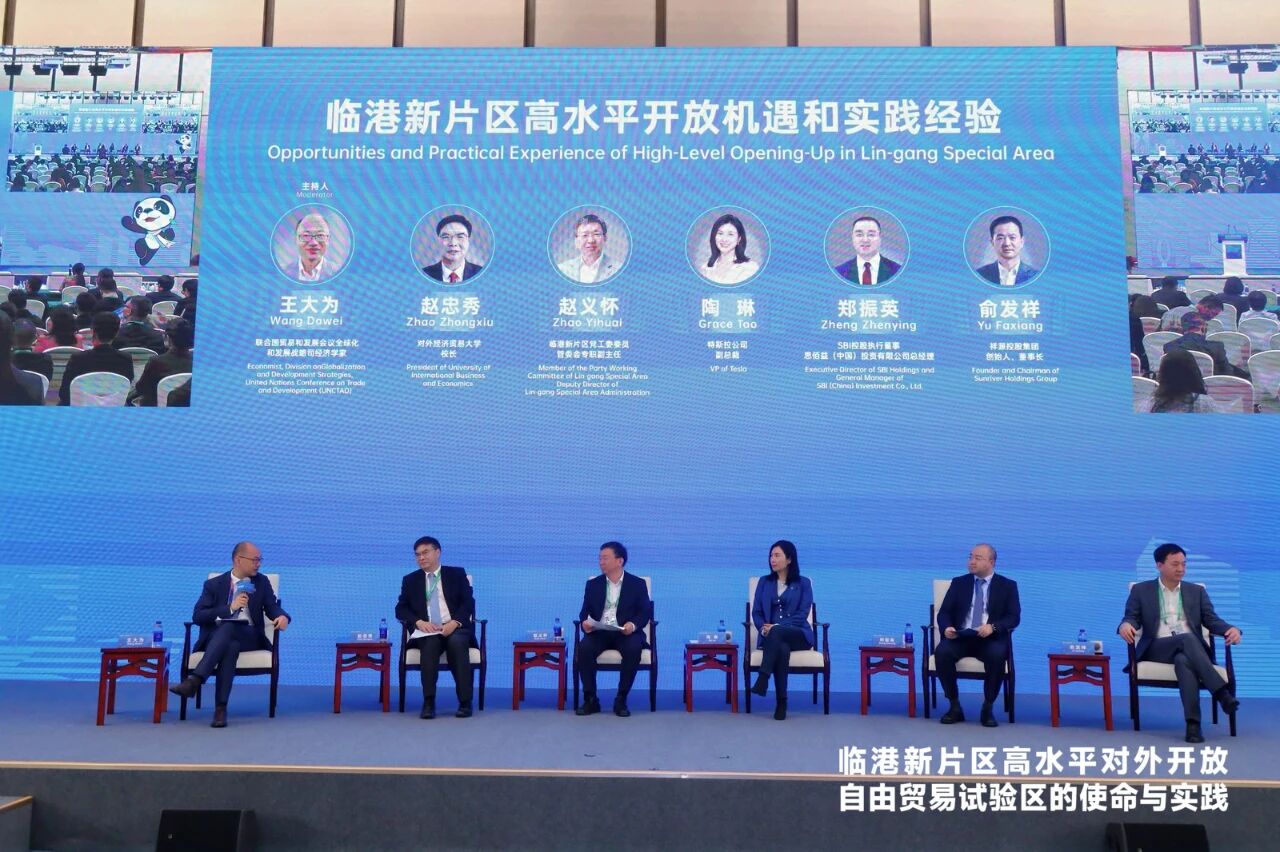
Digitalisation is redefining the future of China FTZs. Zones like Shanghai Lingang and Hainan are leading in implementing data export “negative lists,” which govern secure, compliant cross-border data flows.
For logistics providers, this means new opportunities in digital transparency and real-time coordination. VICO Logistics integrates digital visibility tools linking customs declarations, bonded warehouse status, and estimated arrival times—supporting clients as global trade becomes increasingly digital.
This represents a critical aspect of China FTZs logistics innovation—where technology enhances efficiency, compliance, and trust across supply-chain operations.
3.2 Green Logistics and Low-Carbon Trade Corridors
As China pursues carbon peak by 2030 and neutrality by 2060, sustainability has become central to FTZ policy design. FTZs are transitioning toward green infrastructure: electric vehicle fleets, renewable-powered ports, and carbon-accountable warehouses.
Inland FTZs like Xinjiang and border corridors in Guangxi are also pioneering multimodal connections to reduce emissions. By shifting freight from road to rail or sea, they contribute to more sustainable trade flows.
VICO Logistics supports this evolution by deploying low-carbon fleets, renewable-powered warehousing, and multimodal route optimisation—turning environmental policy into a competitive logistics advantage.
3.3 Integrated Supply-Chain Hubbing and Re-export Models
The next generation of China–global supply chain FTZs will operate as integrated hubs for storage, value-added processing, and re-export. Companies can now position goods close to key markets, relabel or repackage them within FTZs, and defer duties until final destination markets are chosen.
This creates agility and cost savings. At VICO, we help clients design zone-ready network models that maximise flexibility and reduce landed costs—leveraging FTZs as dynamic staging grounds for both China and regional ASEAN markets.
3.4 Border Zone Innovation and ASEAN–China Connectivity
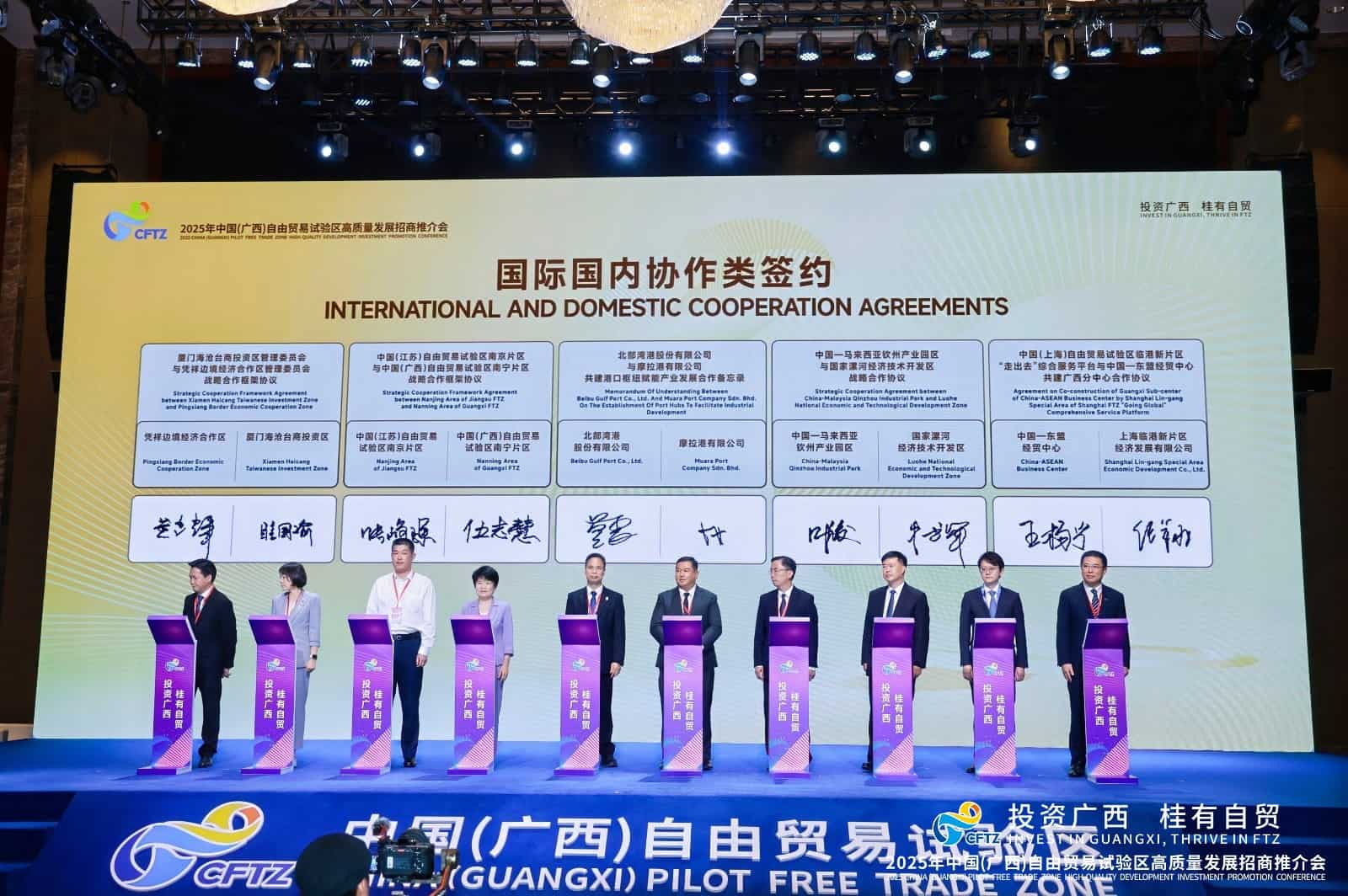
China’s border FTZs—especially Guangxi’s Youyi Guan and rail hubs connecting Central Asia—are gaining strategic importance. These zones integrate smart border systems, accelerate customs clearance, and enhance cross-border logistics efficiency.
For trade corridors between Vietnam and China, such integration means smoother operations, reduced delays, and deeper supply-chain alignment. VICO Logistics, with strong presence in both markets, is positioned to help clients harness these corridors to optimise cost and speed.
3.5 Service Sector Opening and Diversified Trade Models
Beyond goods, FTZs now extend into service sectors such as trade financing, insurance, and data analytics. For logistics providers, this evolution requires moving from pure cargo handling to integrated trade services.
At VICO, we offer consultancy on tariff deferral, customs compliance, and ESG reporting—demonstrating how China FTZs logistics innovation goes hand-in-hand with financial and digital sophistication.
4. Implications for Global Trade and Logistics Strategy
4.1 Smarter Footprint Design for Global Supply Chains
With FTZs functioning as flexible hubs, companies can stage inventory closer to end markets and release goods on demand. This reduces safety stock, duty exposure, and transit risk.
VICO assists clients in designing FTZ-based distribution footprints—allowing global trade flows to adapt dynamically to shifting market needs.
4.2 Shifting Vendor Selection Criteria
The future of China FTZs is changing how global shippers choose logistics partners. Factors such as FTZ access, ESG compliance, and digital visibility increasingly outweigh traditional cost metrics.
VICO’s ability to integrate bonded warehousing, compliance tracking, and emission data positions it as a trusted partner for clients, aligning logistics with sustainability and transparency.
4.3 Building Supply-Chain Resilience and Flexibility
In an era of geopolitical uncertainty, FTZs provide valuable risk mitigation. They allow goods to be staged, rerouted, or re-exported quickly. VICO Logistics supports this through its China–Vietnam–ASEAN network, providing clients with options that enhance resilience without sacrificing speed.
4.4 Leveraging Cost and Duty Advantages for Competitive Edge
The financial advantages of FTZ participation—tariff deferral, VAT suspension, and duty-free warehousing—compound when paired with green logistics and digital systems. These savings translate directly into competitive advantage for global shippers.
Through VICO’s FTZ-aligned logistics planning, clients unlock cost efficiency, flexibility, and market agility.
5. How VICO Logistics Creates Value in the Future of China FTZs
Zone-Ready Network Design – We help clients identify the most strategic FTZs across China based on product type, routing needs, and compliance frameworks.
Digital Visibility and Compliance – Our systems integrate bonded warehouse status, customs documentation, ETAs, and emission metrics for complete transparency.
Green Logistics Execution – We operate low-carbon fleets, optimise multimodal routes, and leverage renewable-powered facilities to meet ESG goals.
Service Layer Integration – Beyond logistics, we provide consultancy on tariff deferral, kitting, relabelling, and trade-finance support.
Strategic Flexibility Across Markets – With deep coverage in China, Vietnam, and ASEAN, we enable dynamic market switching and duty optimisation.
6. Conclusion – The Future of China FTZs and Global Supply Chain Integration
China’s Free Trade Zones are entering a new era—one defined by digitalisation, sustainability, and cross-border service integration. The China–global supply chain FTZ model represents not only an infrastructure advantage but also a strategic framework for global competitiveness.
At VICO Logistics, we believe that businesses leveraging this transformation today will lead tomorrow’s global trade landscape. By combining data-driven transparency, low-carbon execution, and market flexibility, we help customers turn policy innovation into supply-chain performance.
7. FAQ: China–Global Supply Chain FTZ
1. What is a China–global supply chain FTZ?
A network of interconnected Free Trade Zones designed to support international trade, logistics efficiency, and digital supply-chain innovation across China and global markets.
2. How is the future of China FTZs shaping global logistics?
Through digital infrastructure, green corridors, and service-sector integration, FTZs are redefining how goods and services move across borders.
3. What is driving China’s free trade zone expansion?
China is extending FTZs from coastal cities to inland and border regions to build inclusive trade corridors and diversify logistics capacity.
4. How do China FTZs enable logistics innovation?
By combining bonded warehousing, data systems, automation, and green logistics, FTZs allow smarter, faster, and more sustainable trade operations.
5. Why are FTZs key to global supply-chain resilience?
They provide flexibility in inventory staging, routing, and duty management—helping companies adapt quickly to market and geopolitical shifts.
Learn more other articles at Free Trade Zone: Cut Costs & Boost Vietnam–China Trade with VICO
>> Comparing Free Trade Zones: China vs Vietnam vs ASEAN
>> Future of Logistics Da Nang: Free Trade Zone & Vietnam IFC Opportunities for Investors
-----
VICO Logistics – Your Indochina Expert
Premium member of Eurocham, JCtrans, VICOFA, VITAS... associations
Owned offices:
- Hong Kong (Causeway Bay),
- China (Luohu-Shenzhen, Hongkou-Shanghai),
- Vietnam (Bay Hien - Ho Chi Minh, Hai Chau- Da Nang, Gia Vien- Hai Phong).
Youtube - Linkedin - Fanpage
Follow us for more valuable information
Book now: https://vico.com.hk/#quotation
| Contact us:
|