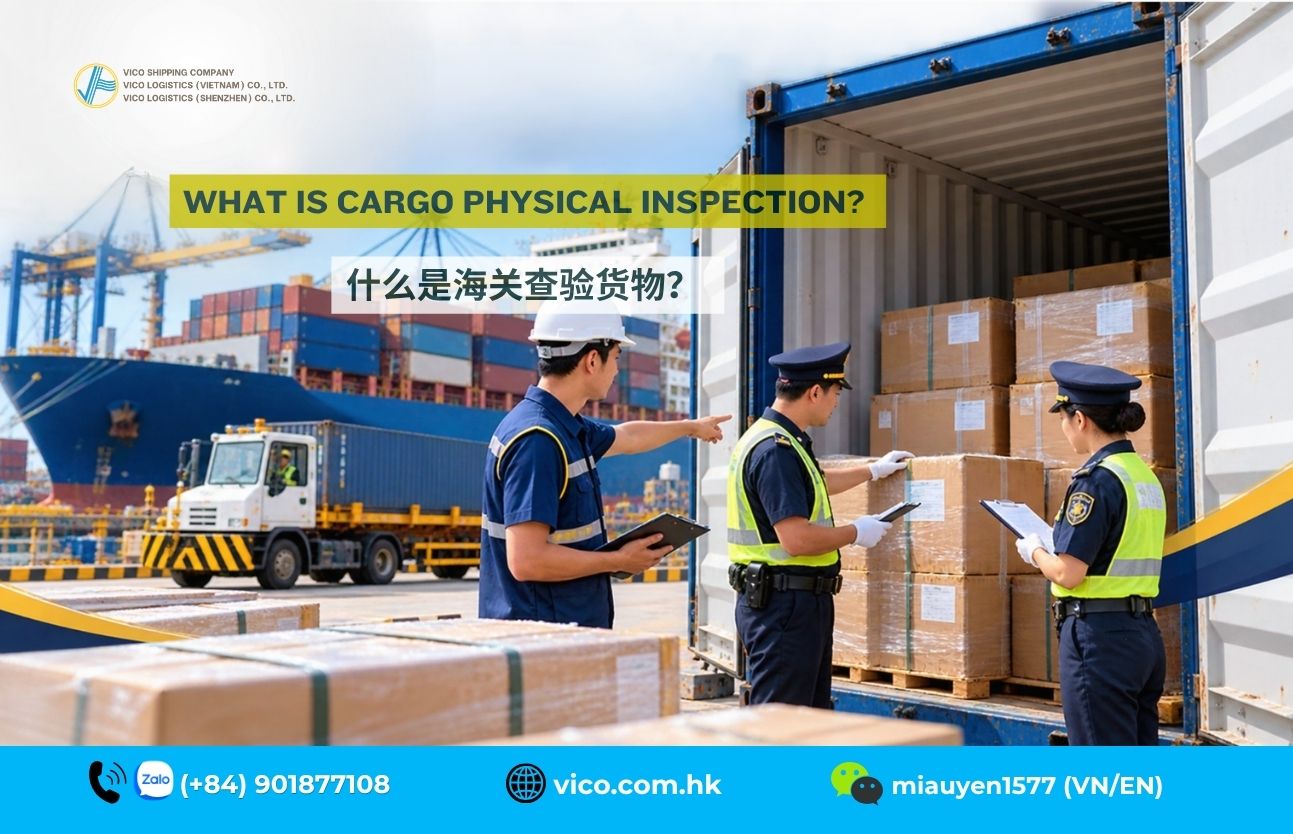
Goods subject to physical inspection is a situation that concerns many importing businesses because it can impact customs clearance schedules, delivery plans, and logistics costs. However, being required to undergo a physical inspection does not necessarily mean the goods have violated customs regulations.
What is cargo physical inspection? Why does cargo get inspected? How does the inspection process take place, and what should businesses do to minimize delays?
In this article, VICO Logistics explains key aspects of importing customs physical inspections, the coordination steps involved, and practical considerations to help businesses take a more proactive approach during the clearance process.
1. What is Cargo Subjected to Physical Inspection?
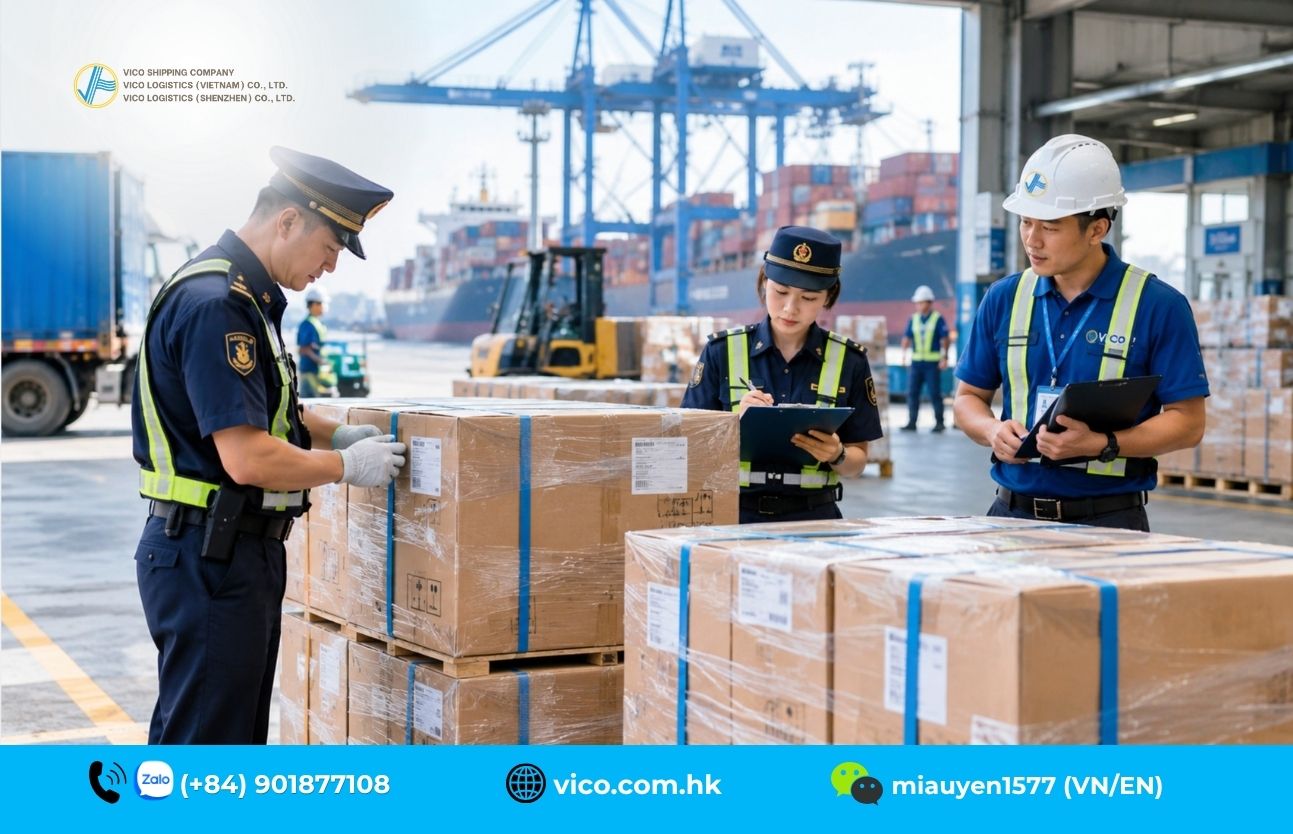
"Kiem hoa" (physical inspection) is a common term used in import-export to refer to the physical examination of goods as part of customs procedures. This activity aims to cross-check actual goods against declared information, customs dossiers, and relevant regulatory requirements.
Depending on the case, inspection contents may include:
-
Goods name, category, and characteristics.
-
Quantity, weight, and packaging specifications.
-
Harmonized System (HS) code.
-
Country of origin.
-
Customs value and related information.
-
Condition of the goods or technical criteria that need verification.
The inspection may be conducted directly by customs officials or via machinery, technical equipment, and appropriate operational measures per regulations.
According to the Customs Law, the physical inspection of goods is executed based on legal regulations and risk management applications for corresponding cases. Therefore, not all imported goods require opening packages or containers for direct inspection.
Distinguishing Document Verification vs. Cargo Physical Inspection
|
Criteria
|
Customs Document Verification
|
Cargo Physical Inspection
|
|
Inspection Subject
|
Declarations and related documents
|
Actual goods, combined with documents when necessary
|
|
Contents
|
Accuracy, completeness, and suitability of declared paperwork
|
Cross-checking actual goods against declared information and inspection requirements
|
|
Execution Method
|
Via electronic systems or direct document checks
|
Via machinery, technical equipment, or direct inspection depending on the case
|
|
Purpose
|
Verify the validity and compliance of dossiers
|
Verify actual information regarding the goods
|
|
Outcome
|
Proceed with procedures based on check results
|
Proceed with procedures based on physical inspection results
|
These two activities are closely linked. Document verification does not replace physical inspection when customs authorities decide that inspecting the goods is necessary.
2. Why Does Cargo Undergo Physical Inspection?
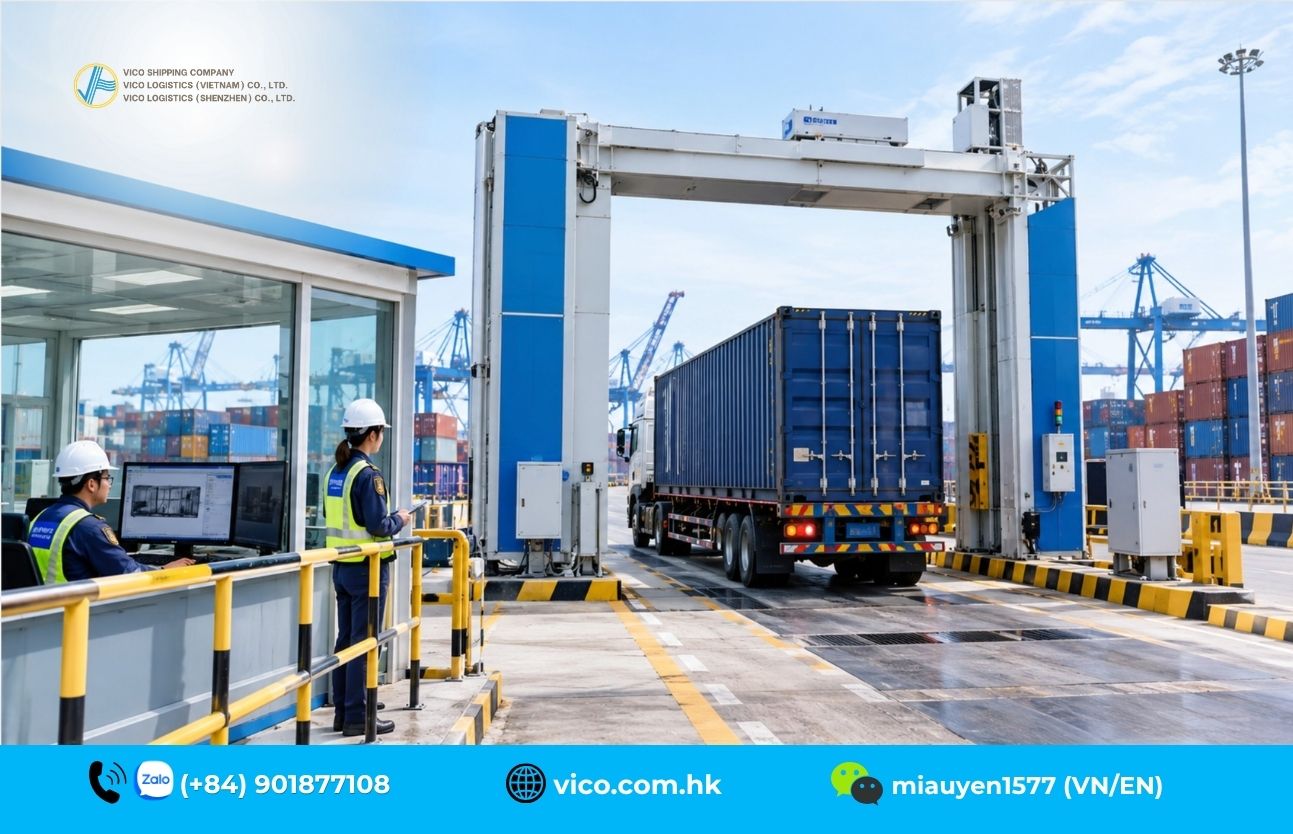
There is no single reason applicable to all cases. Selecting goods for physical inspection depends on legal regulations, risk analysis and evaluation results, shipment-related information, and decisions by competent customs authorities.
Situations that businesses should note include:
2.1. Declarations Selected for Inspection Based on Risk Management
Customs authorities apply risk management criteria to determine the appropriate level and form of inspection.
Therefore, a shipment required to undergo physical inspection does not necessarily imply wrongdoing. This may simply be part of the customs control process for that particular shipment.
2.2. Declared Information Requires Verification
If the information on the declaration or documents lacks sufficient basis to accurately identify the goods, customs authorities may need to conduct a physical inspection within the requested scope.
Contents that may need clarification include:
-
Unspecific product descriptions.
-
Trade names that do not fully reflect the nature or utility of the product.
-
Quantities, weights, or categories that require cross-checking.
-
Estimated HS codes requiring further verification based on physical characteristics.
-
Origin details or product conditions that need clarification.
Businesses should prepare technical documents, catalogs, images, and related certificates to accurately explain the goods when required.
2.3. Signs of Inconsistency Between Documents and Actual Goods
If discrepancies are detected between declared information and actual goods, an inspection may be conducted to verify.
For example, documents describe goods as a type of component, but actual characteristics need clearer identification to classify the HS code. In this situation, businesses must supply technical documentation and coordinate to clarify the nature of the goods.
2.4. Goods Subject to Mandatory Control Under Regulations
Certain items have specific management or inspection requirements under specialized regulations. Depending on the case, businesses may need to fulfill additional quality inspections, quarantines, food safety checks, or related procedures.
It is crucial to distinguish between customs physical inspections and specialized inspections: these are separate activities with distinct objectives, implementing agencies, and procedures, even though both can impact customs clearance schedules.
Key Takeaway: Do not prematurely conclude why cargo is being inspected based solely on product categories or declaration results. Businesses should check official notifications, operational requests, and specific instructions from the customs office handling the shipment.
3. Is Physical Inspection a Violation?
No. Being selected for physical inspection does not automatically prove that a business filed incorrect declarations or that the goods violated the law.
Three scenarios can be distinguished:
-
Scenario 1: Goods Match Declared Documents
If inspection results reveal no issues requiring further action, the shipment will proceed through procedures per regulations and applicable conditions.
-
Scenario 2: Discrepancies Requiring Clarification or Adjustment
If differences are discovered between actual goods and declared contents, businesses must coordinate to explain, supply documents, or execute supplementary declarations when eligible and following proper procedures. Specific handling depends on the nature of discrepancies, relevant dossiers, and applicable regulations.
-
Scenario 3: Signs of Violation Detected
If inspection results show signs of violations, competent authorities will handle the case per corresponding regulations. Depending on the nature of the incident, shipments may require further verification or related legal procedures.
Upon receiving a physical inspection notice, businesses should focus on identifying required actions, preparing accurate documents, and cooperating with their customs brokerage partner rather than prematurely speculating on outcomes.
4. Forms of Import Cargo Physical Inspection
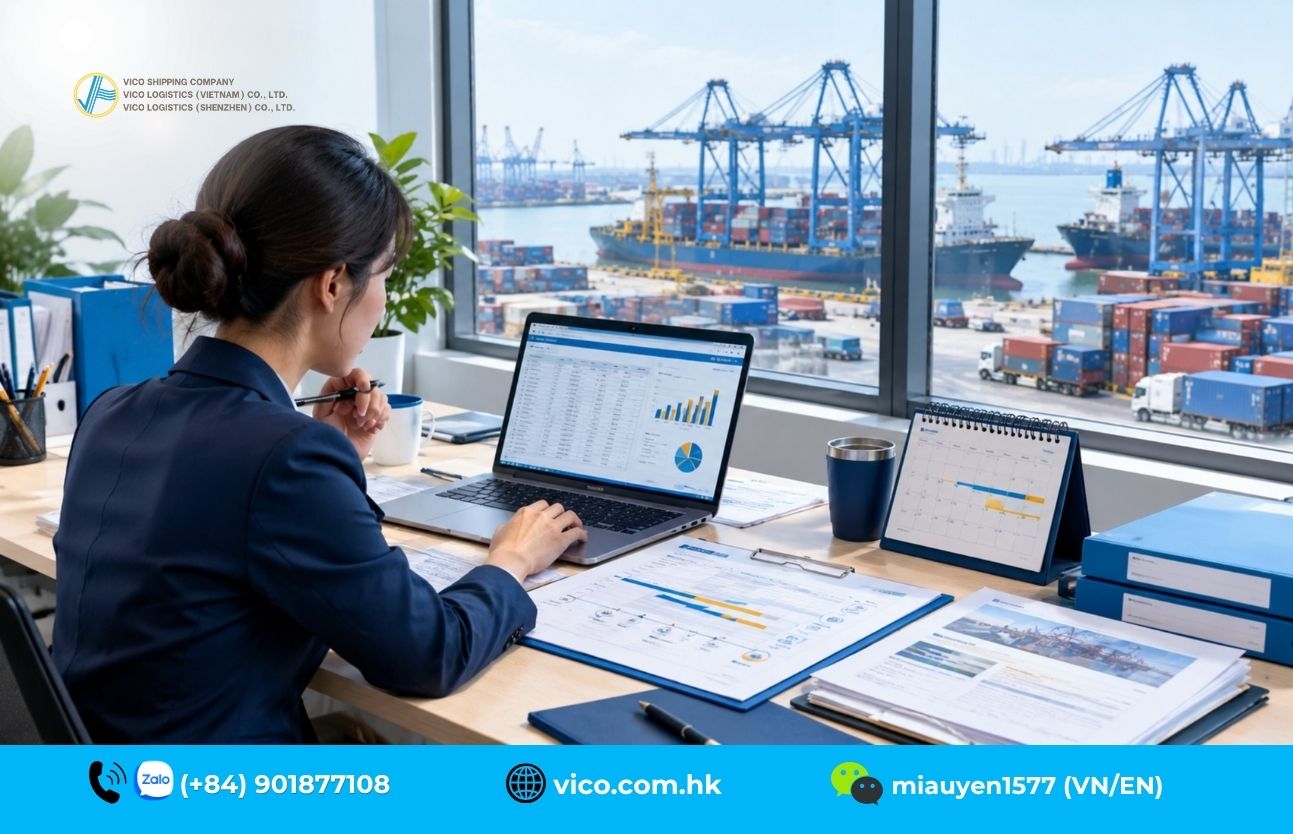
Depending on shipment characteristics, inspection requests, and actual conditions, inspections can be conducted through multiple forms.
4.1. Inspection via Scanners or Technical Equipment
Scanners and technical equipment can be used to support goods inspection under applicable procedures.
This method allows customs authorities to inspect certain characteristics of goods without necessarily opening entire packages or containers right away. However, the ability to determine individual criteria depends on equipment capabilities, goods features, and inspection requirements.
4.2. Direct Physical Inspection of Goods
When direct inspection is necessary, goods can be brought to designated inspection locations as guided. Depending on requirements, inspections may involve opening containers, opening cartons, or accessing a portion of the goods to verify specific contents.
Involved parties must coordinate regarding cargo positioning, vehicles, personnel, and cargo opening or arrangement according to guided procedures.
Not all physical inspections require opening entire containers. The scope of inspection depends on decisions and specific requests from customs authorities.
4.3. Combined Inspection or Supplementary Verification
In certain situations, technical equipment scans may need to be combined with direct inspections, technical documents, or supplementary verification activities.
If there is insufficient basis to accurately determine inspection requirements, shipments may need to undergo additional steps under regulations.
5. How Does the Import Physical Inspection Process Work?
The specific process depends on the shipment and inspection requirements. Overall, businesses can prepare according to the following steps:
-
Step 1: Check Notification and Inspection Requests
Upon receiving notice that a declaration requires physical inspection, the customs declarant must identify inspection contents, location, schedule, and coordination requirements. Avoid relying solely on verbal info or guessing inspection reasons.
-
Step 2: Prepare Dossiers and Related Documents
Businesses must review dossiers matching the shipment, which may include:
-
Customs declarations.
-
Commercial Invoices and Packing Lists.
-
Bills of Lading or equivalent transport documents.
-
Contracts and related transaction documents when necessary.
-
Catalogs, technical specifications, and product images.
-
Certificates of origin, licenses, or other related documents.
-
Goal: Ensure declared information is grounded and easily explainable when requested.
-
-
Step 3: Coordinate Transport of Goods to Inspection Location
Businesses or authorized units coordinate with relevant parties to arrange goods as guided. For containerized cargo, inspect container conditions, storage locations, accessibility, and inspection setup conditions. Arranging personnel and vehicles early minimizes unnecessary waiting times.
-
Step 4: Execute Inspection per Requirements
Customs authorities conduct inspections via forms and scopes matching specific cases. The customs declarant or legal representative cooperates per regulations, provides information, and explains related contents when necessary. If inconsistencies are found, businesses should log items needing clarification and prepare grounded documents.
-
Step 5: Process Inspection Results
After inspection, shipments proceed based on results and applicable regulations. If information matches, procedures continue. If documents need supplementing, declarations require adjustment, or extra verification is needed, businesses must fulfill corresponding requirements. If violation signs are detected, legal handling applies.
-
Step 6: Complete Procedures and Receive Cargo
When goods meet clearance or release conditions under regulations, businesses proceed with cargo pickup, settle related fees, and arrange warehouse transport. Note that completing physical inspections does not always mean cargo can be collected immediately; tax obligations, specialized procedures, or delivery arrangements may still need completion.
6. How Long Does Physical Inspection Take? What Are the Costs?
These two factors directly impact delivery schedules and import budgets.
6.1. What Factors Influence Inspection Duration?
There is no fixed timeframe for all shipments. Actual duration is influenced by:
-
Product type, quantity, and complexity of the shipment.
-
Inspection form and scope.
-
Document status and consistency of declared info.
-
Needs for further verification of HS codes, origins, or technical characteristics.
-
Working schedules and setup conditions at goods storage locations.
-
Emergence of supplementary dossier or procedural requirements.
Businesses should distinguish between actual physical inspection time and total lead time from port arrival to cargo pickup. Total duration also depends on delivery procedures, tax obligations, trucking schedules, and other conditions.
6.2. Is Import Physical Inspection Cost-Free?
Physical inspection should not be viewed as a fixed, uniform fee across all shipments. Incurred expenses depend on inspection methods, goods storage locations, service rate cards, and practical tasks performed.
Potential cost items businesses should budget for:
|
Cost Item
|
When to Review?
|
|
Container Lifting, Lowering, or Shifting Fees
|
When container handling is required to support inspections per applicable rate cards
|
|
Cargo Opening, Closing, or Handling Fees
|
When practical tasks arise and fees apply
|
|
Container Detention or Storage Fees
|
When storage times exceed free periods or per relevant agreements
|
|
Labor or Support Service Fees
|
Depending on actual tasks and service providers
|
|
Specialized Inspection Fees
|
If shipments fall under mandatory categories
|
|
Additional Transport Costs
|
If vehicle schedules or handling locations need adjustments
|
Not all items arise in every case. Businesses should request fee confirmations, calculation bases, and billing entities before service execution.
6.3. How to Minimize Cost Overruns?
Businesses should:
-
Monitor container detention (DEM) and storage (DET) free time limits.
-
Prepare documents and technical papers prior to inspection.
-
Coordinate early with declaration units, shipping lines, and port management.
-
Confirm inspection schedules and cargo arrangement schemes.
-
Draft budgets for potential fees.
-
Track processing progress to adjust pickup schedules accordingly.
Not all expenses can be avoided, but early preparation reduces waiting times and improves budget control.
7. What Should Businesses Do When Goods Are Inspected?
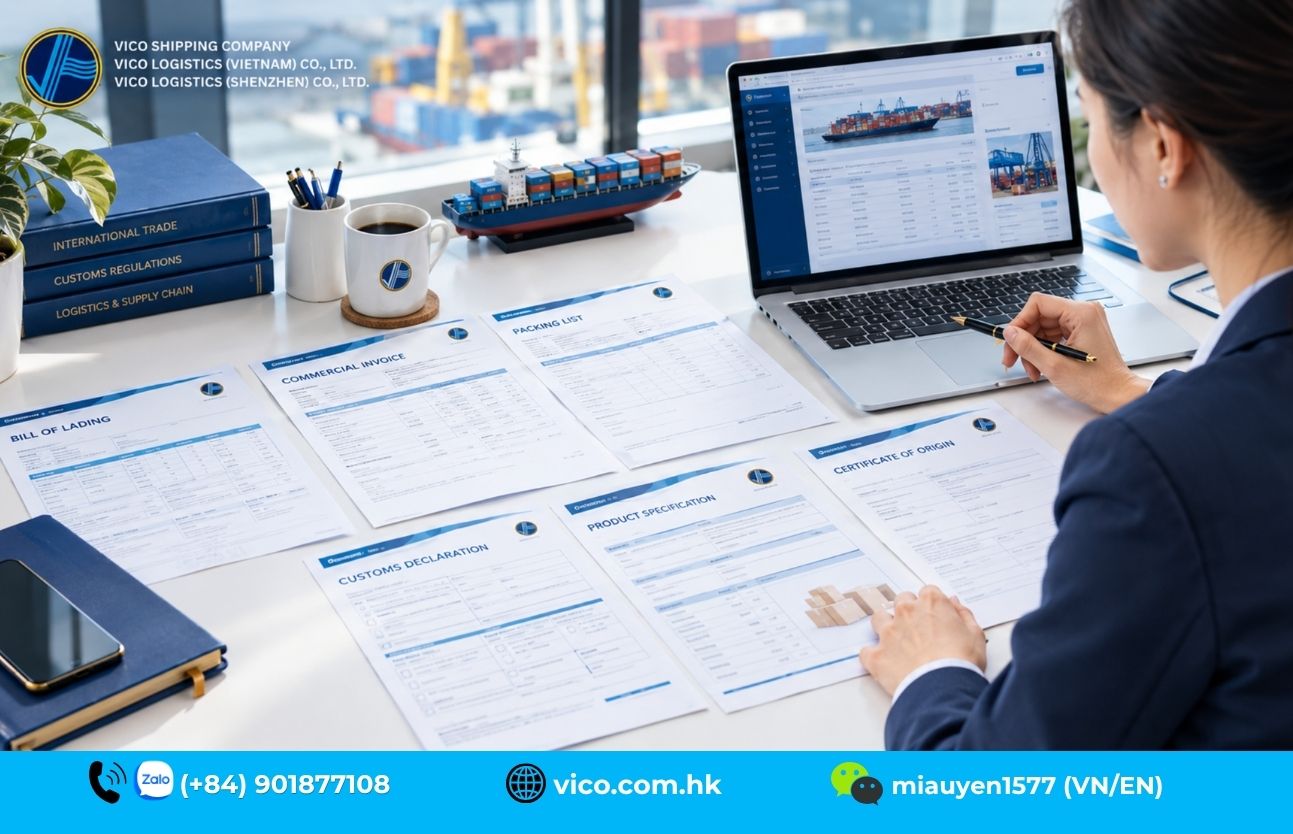
When shipments require physical inspections, businesses should focus on verifying information, preparing dossiers, and coordinating properly.
Checklist for Handling Physical Inspection
-
Regarding Dossiers:
-
Review notice contents and customs requirements.
-
Cross-check declarations against invoices, packing lists, and bills of lading.
-
Prepare catalogs, technical specifications, and product images where appropriate.
-
Audit HS codes, origins, quantities, and declared values.
-
Prepare explanation documents if clarifications are needed.
-
-
Regarding Coordination:
-
Confirm inspection locations and schedules.
-
Coordinate with customs brokers and cargo management units.
-
Arrange required representatives.
-
Check movement, carton opening, or container handling plans.
-
Log additional requirements and timelines.
-
-
Regarding Costs and Schedules:
-
Check DEM/DET free time limits.
-
Confirm container handling, processing, or related service fees.
-
Update pickup schedules and inland transport.
-
Archive documents and inspection results for reconciliation.
-
If discrepancies are discovered, businesses should handle them based on factual data and applicable regulations. Do not alter documents or modify declarations arbitrarily without identifying proper procedures.
8. How to Minimize Customs Clearance Delay Risks
While businesses cannot guarantee exemption from physical inspections, they can proactively reduce problem risks through preparation and organization.
-
Check HS Codes and Goods Descriptions: HS codes must be based on nature, utility, structure, and technical properties. Descriptions should be specific enough to reflect products accurately, avoiding overly generic names that complicate classification.
-
Cross-Check Documents Before Arrival: Information regarding goods names, quantities, weights, origins, and related data should be verified across documents prior to declaration. If errors appear, coordinate with issuers to resolve them properly.
-
Verify Import Policies Early: Identifying whether goods require licenses or specialized procedures upfront helps businesses manage dossiers and schedules.
-
Collaborate with Logistics Providers: When carriers, customs brokers, and owners coordinate seamlessly, document issues, vessel schedules, inspection sites, and delivery transport are managed smoothly.
-
Track Progress End-to-End: Maintain tracking dashboards for key milestones: estimated arrival, declaration timing, processing status, inspection schedules, pending obligations, and delivery plans. Proactive tracking helps adjust plans when changes occur.
9. When Should You Use Customs Support Services?
Businesses can consider utilizing support services when:
-
Lacking experience handling shipments subjected to physical inspections.
-
Goods involve complex technical traits or require HS code clarifications.
-
Dossiers involve heavy documentation requiring multi-party coordination.
-
Assistance is needed to track progress, arrange inspections, and complete handovers.
-
Combining customs declarations with international and domestic freight.
Service providers assist within agreed scopes (document reviews, filing coordination, progress tracking, delivery organization). However, inspection decisions and regulatory outcomes remain under state authority.
VICO Logistics Partners with Businesses in Import Processes
For businesses needing international transport, customs clearance, and cargo delivery coordination, clarifying work scopes early improves schedule control.
Contact VICO Logistics to discuss logistics solutions and coordination plans tailored to your specific shipment.
When sending consultation inquiries, prepare:
-
Product name and technical specifications.
-
Export country, destination port, and delivery location.
-
Quantity, weight, volume, or container type if applicable.
-
Declaration status and received inspection notices.
-
Available documents and required support scope.
-
Expected completion timeframe for delivery.
Contact VICO Logistics to discuss transport options, customs clearance coordination, and delivery plans tailored to your business needs.
10. Frequently Asked Questions About Cargo Physical Inspection
What is cargo physical inspection?
It is a common term when goods are required to undergo physical examination under customs procedures to verify cargo info and cross-check against declared dossiers.
Does physical inspection mean wrong declaration?
Not necessarily. Inspections can stem from risk management mechanisms or mandatory verification requests. Only test results and concrete grounds determine discrepancies or violations.
Does physical inspection require opening containers?
Not always. Depending on the case, customs may use scanners, technical equipment, or request direct physical checks within applicable scopes.
How long does physical inspection take?
Duration depends on goods categories, inspection scopes, dossiers, and completion requirements. Businesses should confirm statuses directly with declaration units and assigned customs offices.
Does physical inspection incur costs?
Container handling, cargo processing, storage, labor, or support services may incur fees depending on the case. There is no universal flat fee for all shipments.
Can goods be collected immediately after inspection?
Not always. Businesses must complete clearance or release conditions per regulations, tax obligations, and related delivery procedures.
Can the risk of physical inspection be minimized?
Businesses cannot guarantee total exemption. However, preparing accurate dossiers, determining correct HS codes, and complying with import policies mitigate issues caused by data discrepancies or missing documents.
Conclusion
Cargo physical inspection is an occurrence during customs procedures that does not inherently signify legal violations. The key is understanding inspection requirements, preparing complete dossiers, coordinating properly, and controlling additional expenses.
Reviewing documents early, describing goods accurately, and coordinating smoothly among cargo owners, declarants, and logistics partners ensures a transparent and smooth process.
If you need to discuss international transport options, import procedures, or delivery plans, contact VICO Logistics to review your specific requirements and define appropriate support scopes.
- What Is a Certificate of Origin (C/O)? Types and Verification Guide
- What Is a Bill of Lading (B/L)? Functions, Types, and How to Read It from A to Z
- Commercial Invoice: What It Is and How to Prepare It
- What Is a Packing List? How to Prepare a Proper Packing List for Import and Export Shipments
- What Are Green, Yellow, and Red Customs Channels? Differences & Handling Guide
- What Is an Air Waybill (AWB)? How to Read & Track an AWB
- What Is MSDS/SDS? 16 Sections and Its Role in Import and Export
Get a Logistics Quote in just 5 minutes
Professional international transportation and supply chain solutions tailored for your business.
Get a quote now ↗Quick Contact
🇻🇳 Ms Uyen
Hotline / Zalo
(+84) 901 877 108WeChat (VN/EN)
miauyen1577Scan to Contact
Zalo
🇨🇳 Ms Schyler
Office Hotline
(+852) 3759 9300WeChat ID
Schyler_skylarScan to Contact
VICO International Logistics — Your Trusted Logistics Partner in Indochina
Senior member of international logistics and trade associations: Eurocham, JCtrans, VICOFA, VITAS, and more.